


Best Flow Meter for Compressed Air: A Complete Selection Guide (2026)
2026-03-24
Choosing the right flow meter for compressed air is not just a technical decision—it directly impacts energy efficiency, cost control, and system reliability. Among all available technologies, thermal mass flow meters stand out as the most versatile and efficient option. However, depending on your application, vortex, ultrasonic, or even Coriolis meters may be more suitable.
This guide breaks down everything you need to know—clearly and practically.
1. Main Types of Compressed Air Flow Meters
Thermal Mass Flow Meter (Best Overall Choice)
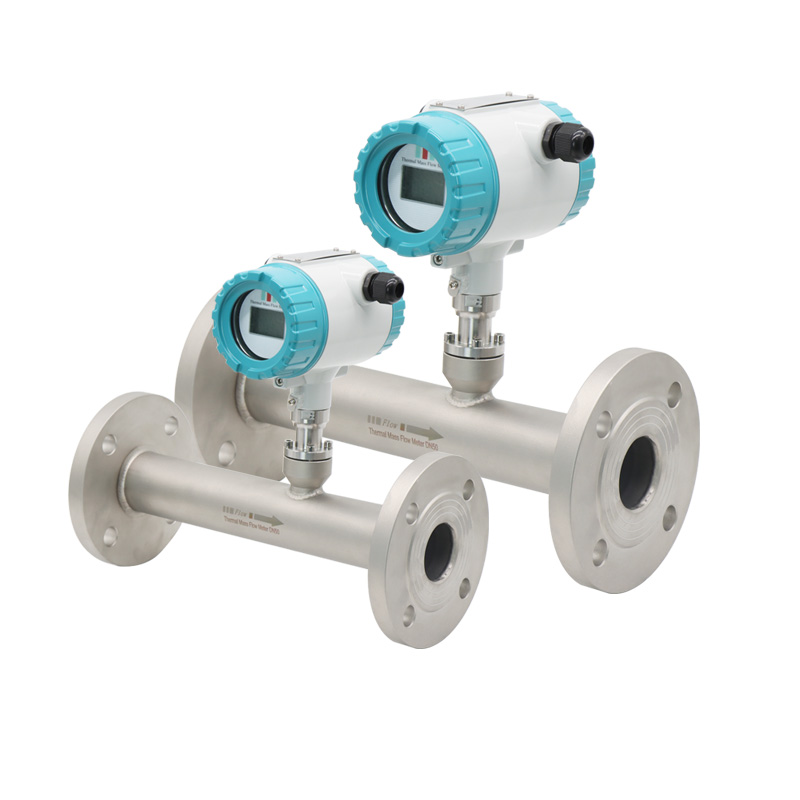
Key Advantages:
- Directly measures mass flow (no temperature/pressure compensation required)
- Extremely wide turndown ratio (100:1 to 200:1)
- Excellent for low flow detection (≥0.5 m/s)
- Minimal pressure loss
Limitations:
- Sensitive to oil, moisture, and dust → filtration required
Best Applications:
- Air compressor stations (main lines)
- Workshop branch lines
- Energy monitoring systems
- Leak detection
Vortex Flow Meter (Cost-Effective for Stable Conditions)
-.jpg)
Key Advantages:
- Simple structure, no moving parts
- Good durability under high temperature and pressure
- Competitive pricing
Limitations:
- Requires temperature & pressure compensation
- Poor accuracy at low flow (<5 m/s)
- Sensitive to vibration
Best Applications:
- Stable, medium-to-high flow pipelines
- Budget-constrained projects
Ultrasonic Flow Meter (Best for Large Pipes & No Pressure Loss)
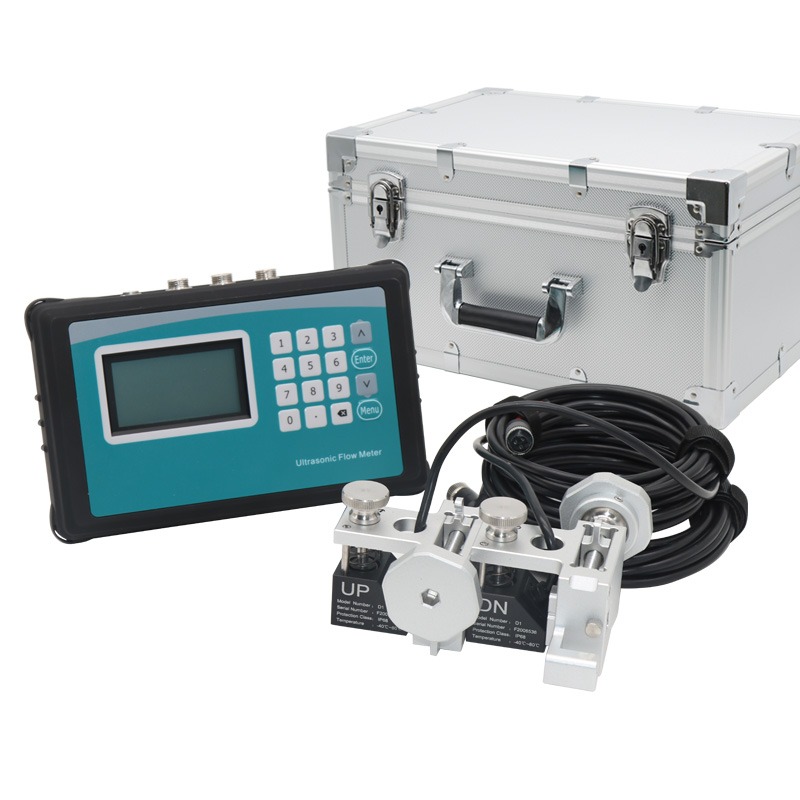
Key Advantages:
- Zero pressure drop
- Clamp-on installation (no pipe cutting)
- Ideal for large diameters (DN50–DN2000)
Limitations:
- Requires long straight pipe runs (≥20D upstream)
- Works best with clean, dry air
- Higher cost
Best Applications:
- Large pipelines
- Systems where shutdown is not possible
- Temporary measurement or audits
Coriolis Mass Flow Meter (High Precision Option)
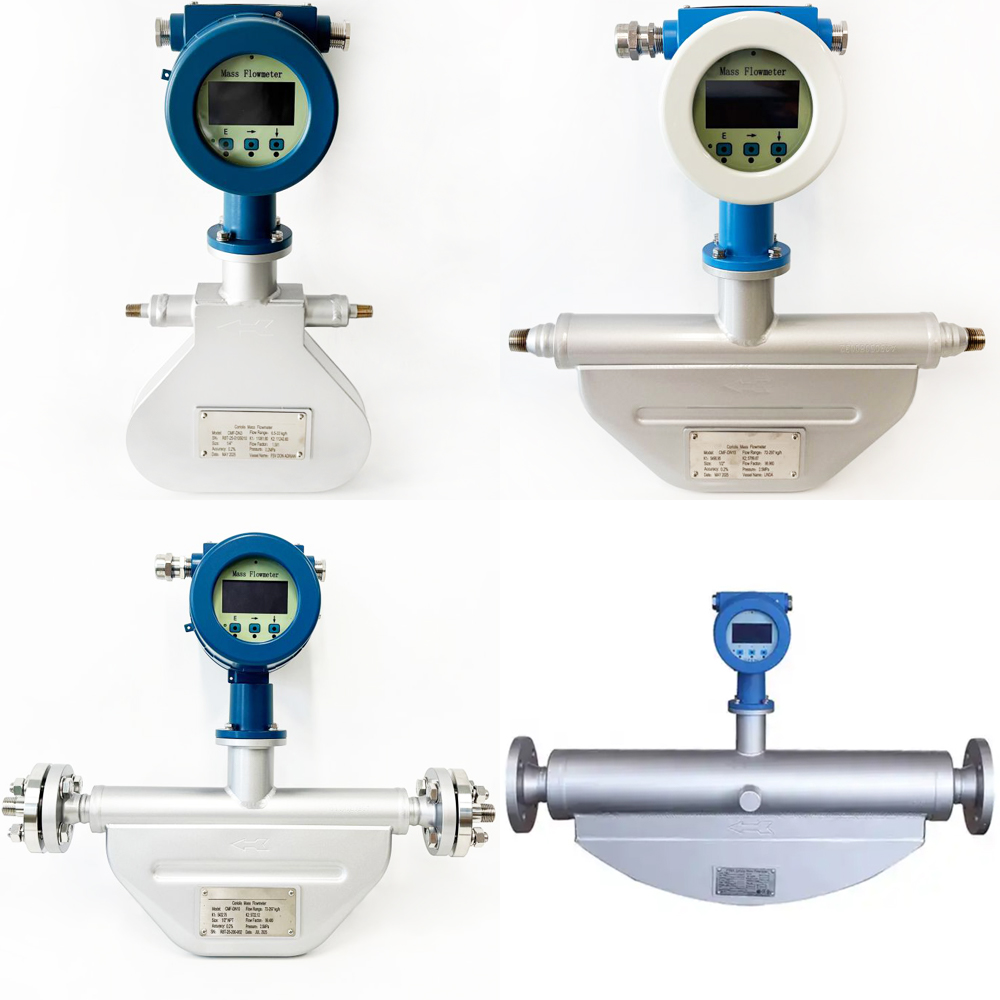
Key Advantages:
- Ultra-high accuracy (±0.1%–0.5%)
- Direct mass flow measurement
- Suitable for mixed gases
Limitations:
- High cost
- Significant pressure drop
Best Applications:
- Custody transfer
- Critical measurement points
2. Quick Comparison Table
| Type | Accuracy | Turndown Ratio | Pressure Loss | Pipe Size | Key Notes |
|---|---|---|---|---|---|
| Thermal Mass | ±1.0% | 100:1–200:1 | Very Low | DN15–DN300 | Best overall |
| Vortex | ±1.0–1.5% FS | 10:1–20:1 | Medium | DN25–DN300 | Needs compensation |
| Ultrasonic | ±1.0–2.0% FS | 20:1–30:1 | None | DN50–DN2000 | Clean air only |
| Coriolis | ±0.1–0.5% | 10:1–20:1 | High | DN10–DN150 | Expensive |
3. How to Choose (Scenario-Based)
✅ Choose Thermal Mass Flow Meter if:
- Flow fluctuates significantly
- You need energy monitoring or leak detection
- You want easy installation + low maintenance
This is the best general-purpose solution.
✅ Choose Vortex Flow Meter if:
- Flow is stable and relatively high
- Budget is limited
- You can install temperature & pressure compensation
✅ Choose Ultrasonic Flow Meter if:
- Pipe diameter is large (DN ≥ 300)
- No pressure loss is required
- System shutdown is not possible
✅ Choose Coriolis Flow Meter if:
- You need maximum accuracy
- Application involves billing or custody transfer
4. Key Selection Parameters (Critical for Accuracy)
Before finalizing your choice, verify these:
- Flow Range: Cover min/max flow with 10–30% margin
- Pressure: Typically 0.1–1.0 MPa
- Temperature: Usually -20°C to 80°C
- Air Quality: Oil, moisture, dust levels
- Installation Conditions:
- Straight pipe length
- Vibration level
- Power supply & signal output
- Explosion-proof requirements
5. Final Recommendation
- For most industrial users:
→ Thermal mass flow meters deliver the best balance of accuracy, flexibility, and cost-effectiveness - For stable, budget-sensitive projects:
→ Vortex flow meters are a reliable alternative - For large pipelines or zero-pressure-loss needs:
→ Ultrasonic flow meters are the optimal solution
Conclusion
Selecting the right compressed air flow meter is ultimately about matching the technology to your operating conditions. While thermal mass flow meters are the most widely recommended due to their versatility and efficiency, each type has a clear role in specific scenarios.
By understanding your flow profile, installation constraints, and accuracy requirements, you can ensure long-term performance, reduce energy waste, and maximize ROI.
If you need professional advice or product recommendations, feel free to contact us anytime.
Share To:
Next Post:
News
- Why is the thermal gas mass flowmeter not affected by pressure strength and temperature?
- What to do when a thermal gas mass flow meter fails?
- How are thermal gas mass flow meters used? What are the applications?
- Under what circumstances is the gas measurement need to be regulated compensated vortex flowmeter
- Why Is The Aister Thermal Gas Mass Flowmeter So Popular ?
- Gas turbine flowmeter manufacturers explain their main advantages in measurement
- Gas turbine flowmeter manufacturer Aister instrument field experience summary
- Aister Instrument Empowerment Conference