


Ultrasonic Level Meter: How It Works & Why It’s Essential for Modern Industry
2026-03-18
Monitoring liquid levels without opening a tank is no longer a luxury—it’s a necessity for efficiency, safety, and compliance. Ultrasonic level meters make this possible by using sound waves to measure levels accurately and non-invasively. This article explains how they work, their key components, and why they deliver strong business value across industries.
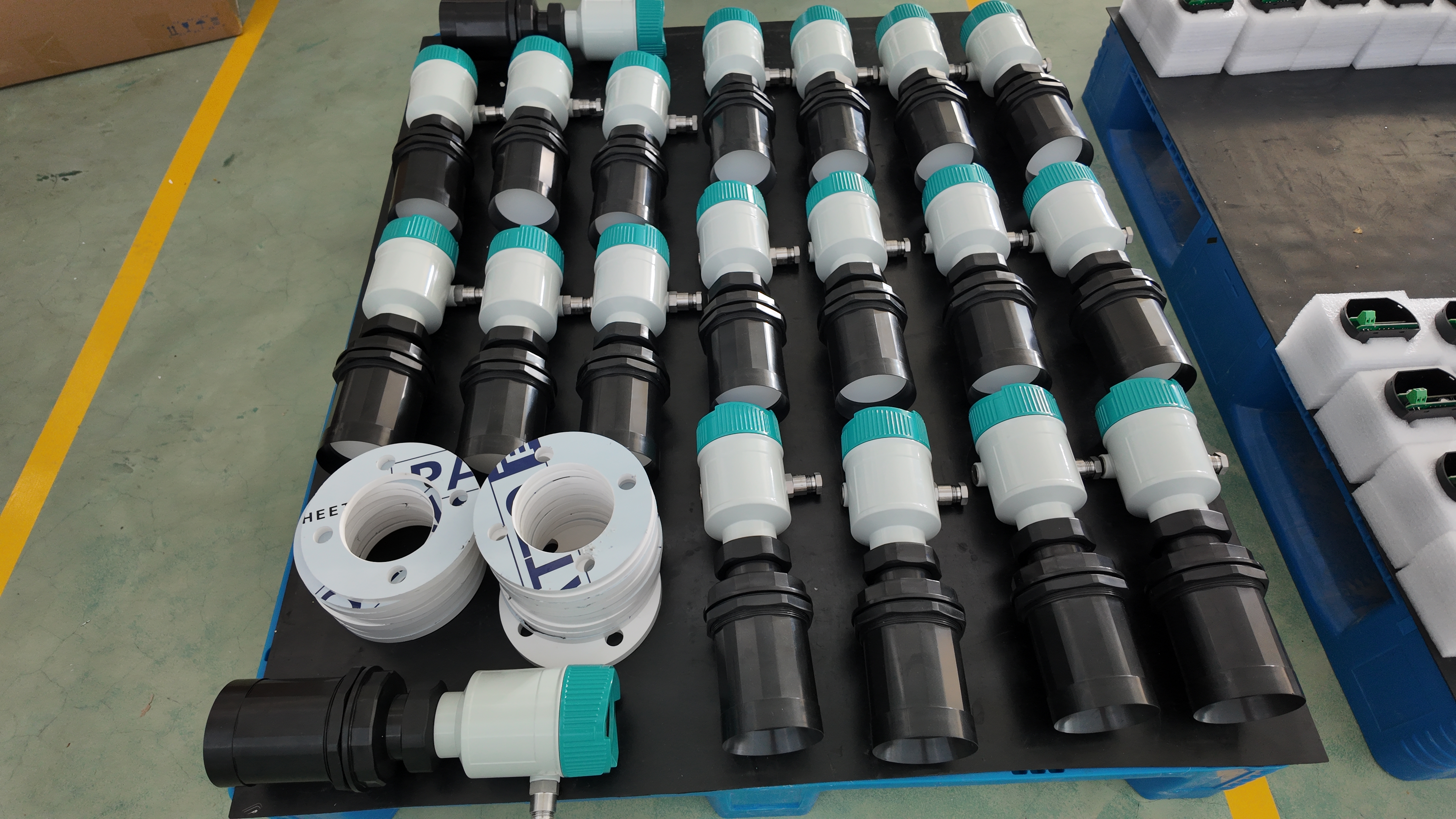
How an Ultrasonic Level Meter Works
At its core, an ultrasonic level meter relies on a straightforward physical principle: time-of-flight measurement.
Step-by-Step Process
-
Send:
A transducer emits high-frequency sound waves (typically 20–200 kHz) toward the liquid surface. -
Reflect:
These waves hit the surface and bounce back to the sensor. -
Calculate:
Distance=Speed of Sound×Δt2\text{Distance} = \frac{\text{Speed of Sound} \times \Delta t}{2}Distance=2Speed of Sound×Δt
The system measures the time delay (Δt) and calculates the distance using: -
Convert to Level:
The measured distance is converted into liquid level based on tank geometry.
Key Benefit
Because the sensor never touches the liquid, ultrasonic measurement ensures:
-
Zero contamination risk
-
Minimal wear and tear
-
Consistent long-term accuracy
Core Components of an Ultrasonic Level Meter
A high-performance ultrasonic level meter consists of three critical parts: the transducer, controller, and housing.
1. Transducer (The “Eye”)
Function:
Emits and receives ultrasonic waves.
Common Challenges:
-
Signal loss in dust, foam, or vapor
-
Corrosion in aggressive media
-
Temperature instability
Advanced Solution:
-
PVDF (polyvinylidene fluoride) construction
-
Strong chemical resistance (acids, alkalis)
-
Stable performance from -40°C to 200°C
-
High echo detection reliability (up to 99.9%)
2. Controller (The “Brain”)
Function:
Processes signals and outputs data (e.g., 4–20mA, Modbus).
Key Technologies:
-
Intelligent signal filtering
-
Noise suppression algorithms
-
Temperature compensation
Performance Advantage:
-
Eliminates interference from foam, dust, and agitation
-
Maintains accuracy up to ±2 mm
-
Ensures stable readings in fluctuating environments
3. Housing (The “Shield”)
Function:
Protects internal electronics from environmental damage.
Robust Design Features:
-
IP68 protection rating (waterproof, dustproof)
-
316L stainless steel construction
-
UV-resistant coating for outdoor use
Result:
-
Reliable operation in harsh environments
-
Extended service life (5+ years)
-
Reduced maintenance frequency
Why Ultrasonic Level Meters Matter for Your Business
1. Zero Contamination
Non-contact measurement is ideal for:
-
Food processing
-
Pharmaceutical production
-
Chemical storage
This ensures compliance with strict hygiene standards such as FDA and 3-A.
2. Lower Maintenance Costs
-
No moving parts
-
No mechanical wear
-
Up to 90% fewer repairs compared to float-based systems
3. Improved Safety
-
No need to open tanks
-
No manual inspection
-
Reduced exposure to hazardous or toxic substances
4. 24/7 Reliable Operation
Designed for extreme conditions:
-
Low temperatures: down to -40°C
-
High temperatures: up to 200°C
-
Resistant to vapor, dust, and outdoor exposure
Best Applications for Ultrasonic Level Meters
Ultrasonic technology is widely used in:
-
Water and wastewater treatment
-
Chemical storage tanks
-
Food and beverage processing
-
Oil and fuel storage
-
Industrial process control
Conclusion
Ultrasonic level meters combine simple physics with advanced engineering to deliver precise, reliable, and maintenance-free level measurement. Their non-contact design eliminates contamination risks, reduces operational costs, and enhances safety—making them a smart investment for modern industries.
If you need professional advice or product recommendations, feel free to contact us anytime.
Share To:
Next Post:
News
- Why is the thermal gas mass flowmeter not affected by pressure strength and temperature?
- What to do when a thermal gas mass flow meter fails?
- How are thermal gas mass flow meters used? What are the applications?
- Under what circumstances is the gas measurement need to be regulated compensated vortex flowmeter
- Why Is The Aister Thermal Gas Mass Flowmeter So Popular ?
- Gas turbine flowmeter manufacturers explain their main advantages in measurement
- Gas turbine flowmeter manufacturer Aister instrument field experience summary
- Aister Instrument Empowerment Conference