


What Is a Sanitary Turbine Flowmeter? (3A/FDA Certified Guide)
2026-03-19
In hygienic industries like food, beverage, and pharmaceuticals, measurement is not just about accuracy—it’s about safety, compliance, and product integrity. A sanitary turbine flowmeter plays a critical role as both a measurement device and a contamination barrier. Understanding how it works and why certification matters can help you make the right choice for your process.
What Is a Sanitary Turbine Flowmeter?
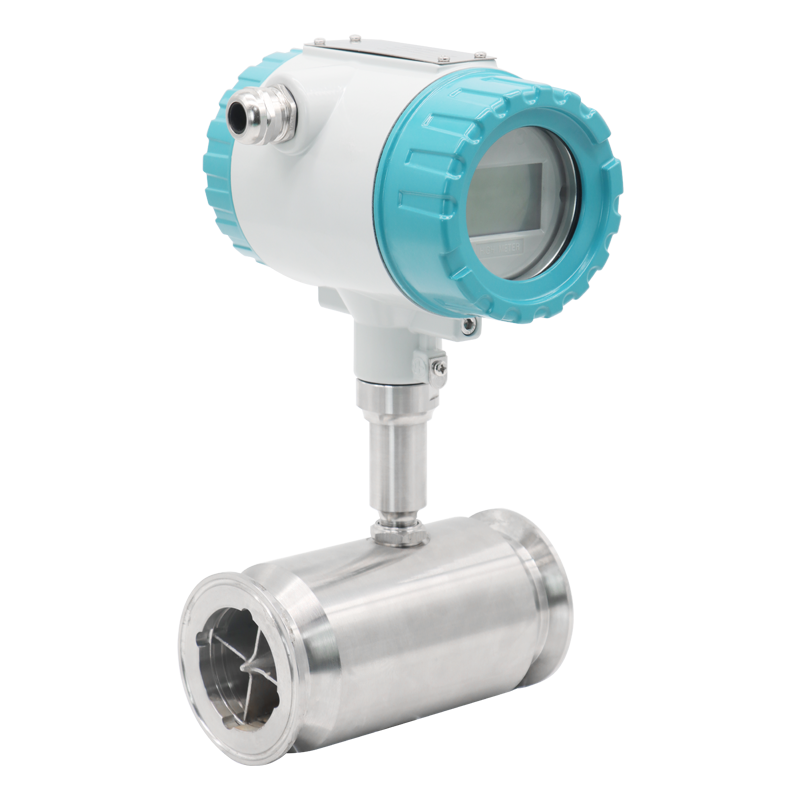
A sanitary turbine flowmeter is a high-precision liquid flow measurement instrument specifically engineered for hygienic and sterile environments. It operates using a turbine rotor that spins as fluid flows through it, with the rotational speed directly proportional to the flow rate.
What distinguishes it from standard turbine flowmeters is its hygienic construction and compliance with strict industry standards, such as 3A and FDA requirements.
Key Design Features:
-
Crevice-free internal surfaces: Typically made from electropolished 316L stainless steel (Ra ≤ 0.8 μm) to prevent bacterial buildup
-
Tool-free disassembly: Enables fast cleaning and maintenance without process downtime
-
Sealed, contamination-free bearings: Often ceramic or PTFE to eliminate lubricant risks
-
CIP/SIP compatibility: Designed for Clean-in-Place and Sterilization-in-Place processes
Why 3A and FDA Certification Matters
Certification is not just a label—it is a guarantee of safety, cleanability, and regulatory compliance.
1. Regulatory Compliance
-
Meets FDA requirements for materials in contact with consumables
-
Aligns with 3A Sanitary Standards for hygienic equipment design
-
Supports audits and documentation in regulated industries
2. Product Safety
-
Prevents cross-contamination (e.g., allergens, bacteria, residues)
-
Ensures safe handling of sensitive products like:
-
Dairy (milk, yogurt)
-
Pharmaceuticals (injectables, APIs)
-
Beverages (juice, beer)
-
3. Operational Efficiency
-
Reduces cleaning validation time
-
Minimizes downtime during sanitation cycles
-
Extends service intervals and equipment lifespan
Key Advantages Over Standard Flowmeters
1. Hygienic Design
Sanitary turbine flowmeters eliminate dead legs, gaps, and crevices, ensuring no residue accumulation. This makes them ideal for passing strict hygiene inspections and microbial tests.
2. High Measurement Accuracy
With accuracy levels up to ±0.5%, they are suitable for:
-
Batch processing
-
Ingredient dosing
-
Custody transfer applications
Even at low flow rates, they maintain stable and repeatable measurements.
3. Robust and Durable Construction
-
ساخته from 316L stainless steel for corrosion resistance
-
تحمل repeated CIP/SIP cycles with acids and alkalis
-
Operates at temperatures up to 150°C, ensuring reliability in harsh conditions
Typical Applications
Sanitary turbine flowmeters are widely used in industries where cleanliness and precision are non-negotiable:
Food & Beverage
-
Milk, juice, beer, sauces
-
Prevents flavor contamination and ensures consistency
Pharmaceutical Industry
-
Sterile water, vaccines, APIs
-
Complies with GMP and FDA regulations
Cosmetics & Biotechnology
-
Creams, serums, and biological fluids
-
Maintains purity in sensitive formulations
How to Choose the Right Sanitary Turbine Flowmeter
To ensure optimal performance, consider these factors:
-
Material compatibility: Ensure 316L SS or higher-grade alloys for corrosive media
-
Certification requirements: Confirm 3A, FDA, or EHEDG compliance based on your market
-
Flow range and accuracy: Match meter specs with your process conditions
-
Cleaning method: Verify full CIP/SIP compatibility
-
Connection type: Tri-clamp fittings are standard for hygienic systems
Conclusion
A sanitary turbine flowmeter is more than a measurement device—it is a critical safeguard for product quality, regulatory compliance, and operational efficiency. With its hygienic design, high accuracy, and certified safety standards, it is an essential solution for industries where contamination is not an option.
Choosing a 3A/FDA-certified model ensures your process remains compliant, efficient, and reliable—helping you avoid costly recalls, pass inspections, and maintain consumer trust.
If you need professional advice or product recommendations, feel free to contact us anytime.
Share To:
Next Post:
News
- Why is the thermal gas mass flowmeter not affected by pressure strength and temperature?
- What to do when a thermal gas mass flow meter fails?
- How are thermal gas mass flow meters used? What are the applications?
- Under what circumstances is the gas measurement need to be regulated compensated vortex flowmeter
- Why Is The Aister Thermal Gas Mass Flowmeter So Popular ?
- Gas turbine flowmeter manufacturers explain their main advantages in measurement
- Gas turbine flowmeter manufacturer Aister instrument field experience summary
- Aister Instrument Empowerment Conference