


How to Choose a Micro Turbine Flow Meter for Data Center Liquid Cooling CDUs?
2026-10-20
As AI computing and high-density servers continue to increase rack power consumption, liquid cooling is becoming an increasingly important solution for modern data centers. Within a Coolant Distribution Unit (CDU), reliable flow measurement helps maintain coolant circulation, support efficient heat transfer, and keep cooling systems operating within their intended parameters.
So, what should you look for when selecting a micro turbine flow meter for a liquid cooling CDU? The key is to match the meter's performance and configuration to the actual operating conditions of the cooling system.
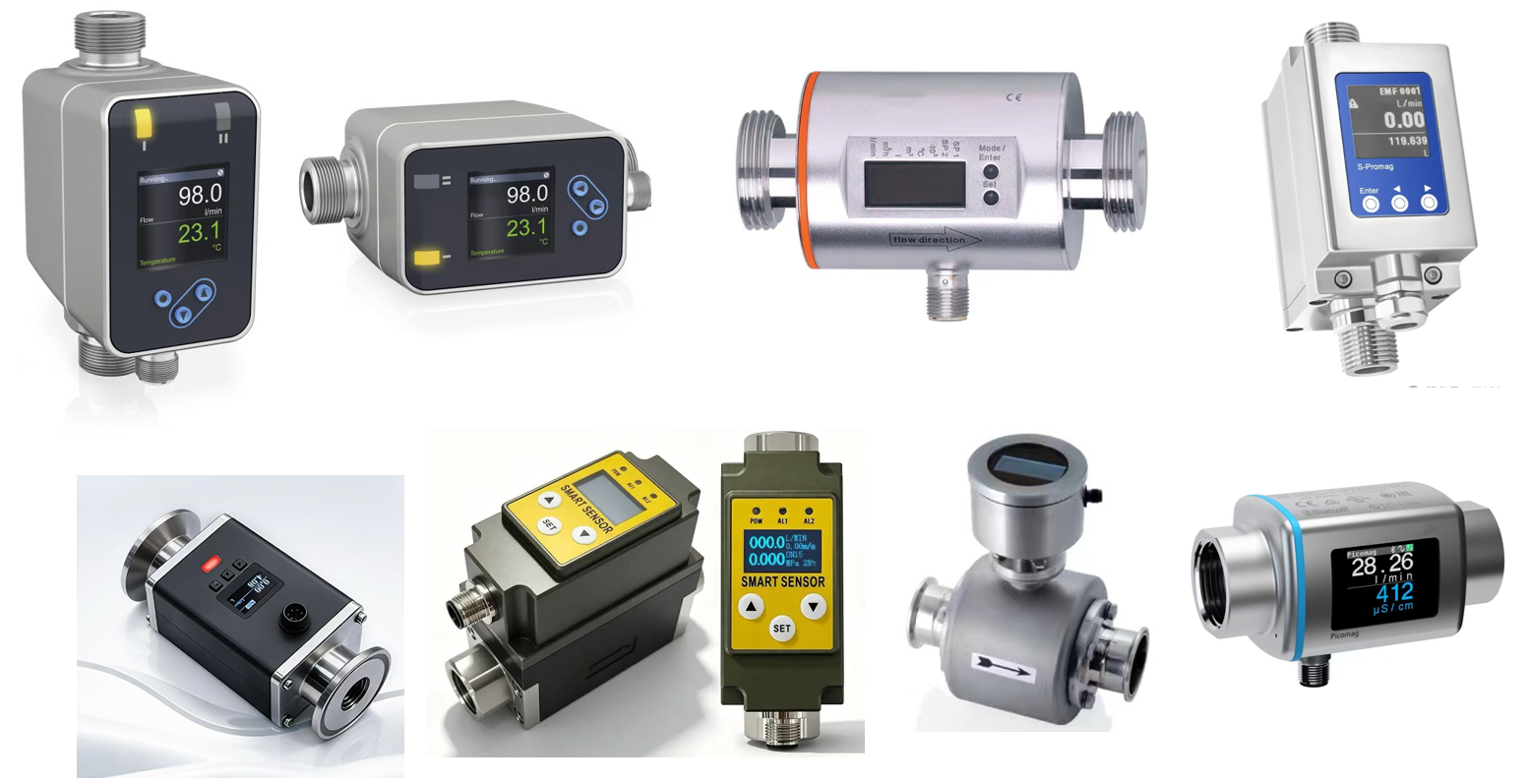
1. Choose a Flow Range That Matches Your Cooling Loop
The flow meter's measurement range should correspond to the expected coolant flow rate in the CDU. Both the minimum and maximum flow rates need to be considered during selection.
An oversized flow meter may struggle to deliver sufficient measurement performance at low flow rates, while a meter with an insufficient maximum capacity may not meet the system's cooling demands. Selecting an appropriate range helps maintain reliable measurement across the expected operating conditions.
2. Verify Operating Pressure and Temperature
Data center liquid cooling systems may operate under specific pressure and temperature conditions that vary with system design and cooling requirements.
Before choosing a micro turbine flow meter, check that its pressure rating and operating temperature range are compatible with the CDU. This is particularly important in high-density computing environments, where stable coolant circulation is essential for effective heat removal.
3. Confirm Compatibility with the Coolant
Not all cooling fluids have the same physical properties or material compatibility requirements. Depending on the system design, a CDU may use water, water-glycol mixtures, or dielectric cooling fluids.
Differences in viscosity can affect turbine flow meter performance, while coolant chemistry may influence the suitability of wetted materials. Check the fluid properties and confirm that the meter's internal materials, seals, and other wetted components are compatible with the selected coolant.
4. Evaluate Accuracy and Repeatability
Accurate and repeatable flow measurement helps operators monitor coolant distribution across individual cooling loops and identify abnormal flow conditions.
For data center applications, consistent measurement data can support cooling system monitoring and help engineers detect potential flow deviations before they affect cooling performance. When comparing flow meters, evaluate both the specified accuracy and repeatability under the actual operating conditions rather than relying on accuracy figures alone.
5. Select an Output Compatible with the Control System
A micro turbine flow meter should integrate smoothly with the CDU's control architecture and the wider Building Management System (BMS) or Programmable Logic Controller (PLC).
Depending on the meter configuration, available output options may include 4–20 mA, pulse output, and RS485 with Modbus communication. Confirm the required signal type, communication protocol, and electrical interface before placing an order to reduce integration difficulties during installation and commissioning.
More Than Flow Measurement: Supporting Reliable CDU Operation
Selecting the right micro turbine flow meter involves more than choosing a suitable pipe size or measurement range. Flow capacity, pressure and temperature ratings, coolant compatibility, measurement performance, and signal integration all influence whether the instrument can meet the requirements of a liquid cooling system.
For CDU manufacturers, system integrators, and data center cooling engineers, evaluating these factors during the design stage can help improve coolant flow monitoring, simplify system integration, support faster fault detection, and contribute to more reliable cooling operation.
Looking for a micro turbine flow meter for your data center liquid cooling project? Contact Aister Instrument to discuss your flow range, coolant type, operating conditions, and signal requirements so you can identify a suitable measurement solution.
Share To:
Previous Post:
Next Post:
News
- Why is the thermal gas mass flowmeter not affected by pressure strength and temperature?
- What to do when a thermal gas mass flow meter fails?
- How are thermal gas mass flow meters used? What are the applications?
- Under what circumstances is the gas measurement need to be regulated compensated vortex flowmeter
- Why Is The Aister Thermal Gas Mass Flowmeter So Popular ?
- Gas turbine flowmeter manufacturers explain their main advantages in measurement
- Gas turbine flowmeter manufacturer Aister instrument field experience summary
- Aister Instrument Empowerment Conference