

Aister Radar Level Transmitter Case Studies: Solving Measurement Challenges in Harsh Industrial Conditions
2026-04-01
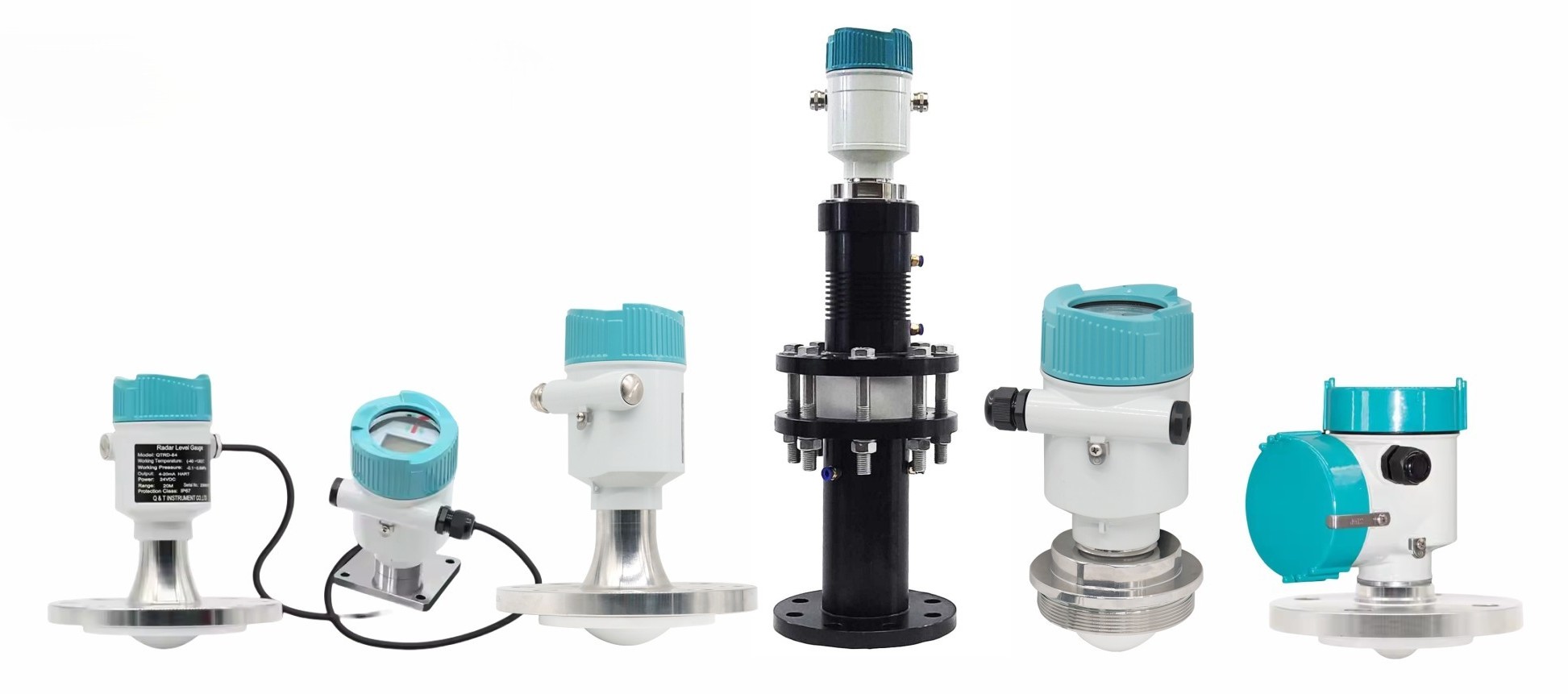
Accurate level measurement becomes extremely difficult in industries like cement, metallurgy, chemicals, and agriculture due to dust, temperature, corrosion, and unstable material surfaces. Aister’s 80GHz FMCW radar level transmitters, combined with intelligent algorithms and robust mechanical design, provide a proven solution to these challenges—delivering high accuracy, reliability, and low maintenance.
1. Cement Industry: High Dust & High-Temperature Clinker Silos
Challenges
- Temperatures up to 250°C with dust concentration exceeding 50 g/m³
- Uneven material accumulation creates blind spots
- Traditional instruments (ultrasonic, plumb bob) suffer from signal loss, clogging, and drift
Aister Solution (ATRD-800 Series)
- 80GHz narrow beam (1.5°–2.5°): Penetrates dense dust with high signal energy (4× stronger than 26GHz)
- High-temperature protection: Ceramic/sapphire antenna with air or water cooling
- Advanced echo processing: Filters false echoes from silo walls and ladders
- Automatic air purging: Prevents dust buildup on antenna
Results
- Accuracy maintained at ±3 mm
- Continuous operation for 18+ months without failure
- Reduced risk of overfilling or material shortage
- Improved silo turnover efficiency by 25%
2. ABS Resin Storage: Low Dielectric & Explosion-Proof Requirements
Challenges
- Low dielectric constant (1.5–2.5) → weak radar reflection
- Explosive dust environment requiring Ex d IIC T6 certification
- Dynamic surface due to pneumatic conveying
Aister Solution
- Millimeter-wave radar + dielectric compensation: Detects weak signals accurately
- Explosion-proof sealed design: Fully compliant with hazardous area standards
- AI echo tracking: Locks onto true level within 500 ms
- Remote electronics (split design): Enhances safety and maintenance access
Results
- Accuracy improved to ±5 mm
- Storage utilization increased from 70% to 95%
- Eliminated manual inspection → 80% lower maintenance costs
- Integrated with DCS for automated feeding control
3. Metallurgy: Coke & Iron Ore Silos (High Temperature + Vibration)
Challenges
- Temperatures exceeding 200°C, strong vibration
- Large particle impact damages traditional sensors
- Tall silos (30–50 m) demand both long range and high accuracy
Aister Solution
- High-strength alloy antenna + wear-resistant shield
- Anti-vibration reinforced design (IP67)
- Measurement range up to 80 m with ±5 mm accuracy
- Adjustable flange (±10°): Avoids direct material impact
Results
- Replaced multiple instruments with a single radar unit
- Failure rate reduced by 90%
- Maintenance workload reduced by 600+ hours/year
- Improved blast furnace material efficiency (energy savings ~5%)
4. Chemical Industry: Corrosive & High-Pressure Tanks
Challenges
- Strong acids, alkalis, and solvents causing severe corrosion
- High pressure (up to 4 MPa) and temperature (150°C+)
- Foam, vapor, and coating interfere with measurement
Aister Solution
- PTFE / Hastelloy antenna materials: Full corrosion resistance
- High-pressure sealing system: Withstands up to 40 MPa
- Non-contact radar + anti-foam algorithms
- HART / Modbus communication: Enables SCADA integration
Results
- Measurement accuracy up to ±1 mm
- Service life 3× longer than conventional instruments
- Eliminated leakage risks and improved safety compliance
5. Grain & Feed Silos: Dust, Moisture & Extreme Temperatures
Challenges
- Dust accumulation and material clumping
- Temperature range from -30°C to high humidity conditions
- Tall silos (up to 60 m) with large blind zones
Aister Solution
- 80GHz radar with parabolic antenna: Strong penetration, minimal blind zone
- Wide temperature operation (-40°C to 80°C)
- 3D interference mapping: Eliminates internal structure noise
- Wireless communication (4G/GPRS): Remote monitoring without wiring
Results
- Inventory accuracy over 99%
- Replaced manual measurement → 10× efficiency improvement
- Early detection of blockages
- ERP integration reduces capital tied up in inventory by 15%
Core Technologies Behind Aister Radar Level Measurement
| Challenge | Technology | Benefit |
|---|---|---|
| High dust / vapor | 80GHz narrow beam radar | Stable signal through dense media |
| High temperature / pressure | Advanced materials + cooling | Reliable operation up to 250°C / 40MPa |
| Low dielectric materials | AI compensation algorithms | Accurate detection of weak echoes |
| Corrosion / buildup | PTFE / Hastelloy + air purge | Reduced maintenance |
| Vibration / interference | Reinforced design + filtering | Stable, noise-free data |
Why 80GHz FMCW Radar Outperforms Traditional Level Measurement
- Higher frequency = stronger signal focus
- Smaller beam angle = better targeting
- Non-contact measurement = zero wear
- AI-driven processing = stable readings in dynamic conditions
These advantages make Aister radar transmitters ideal for harsh, complex industrial environments where traditional technologies fail.
Conclusion
Final Takeaway:
Aister radar level transmitters redefine what is possible in extreme industrial environments. By combining 80GHz high-frequency radar, intelligent signal processing, and ruggedized design, they deliver unmatched accuracy, reliability, and operational efficiency.
From cement kilns to chemical reactors and grain silos, Aister provides a future-proof level measurement solution—helping industries reduce costs, enhance safety, and accelerate digital transformation.
If you need professional advice or product recommendations, feel free to contact us anytime.
Share To:
Previous Post:
Next Post:
News
- Why is the thermal gas mass flowmeter not affected by pressure strength and temperature?
- What to do when a thermal gas mass flow meter fails?
- How are thermal gas mass flow meters used? What are the applications?
- Under what circumstances is the gas measurement need to be regulated compensated vortex flowmeter
- Why Is The Aister Thermal Gas Mass Flowmeter So Popular ?
- Gas turbine flowmeter manufacturers explain their main advantages in measurement
- Gas turbine flowmeter manufacturer Aister instrument field experience summary
- Aister Instrument Empowerment Conference