


How To Read Oxygen Flow Meter
2026-03-25
Accurate oxygen flow measurement is essential in industries such as healthcare, chemical processing, and manufacturing. Improper use or unresolved faults can lead to inaccurate data, system inefficiency, or even safety hazards.
This guide provides a clear, step-by-step explanation of oxygen flow meter operation, along with practical troubleshooting solutions to ensure reliable performance and safe usage.
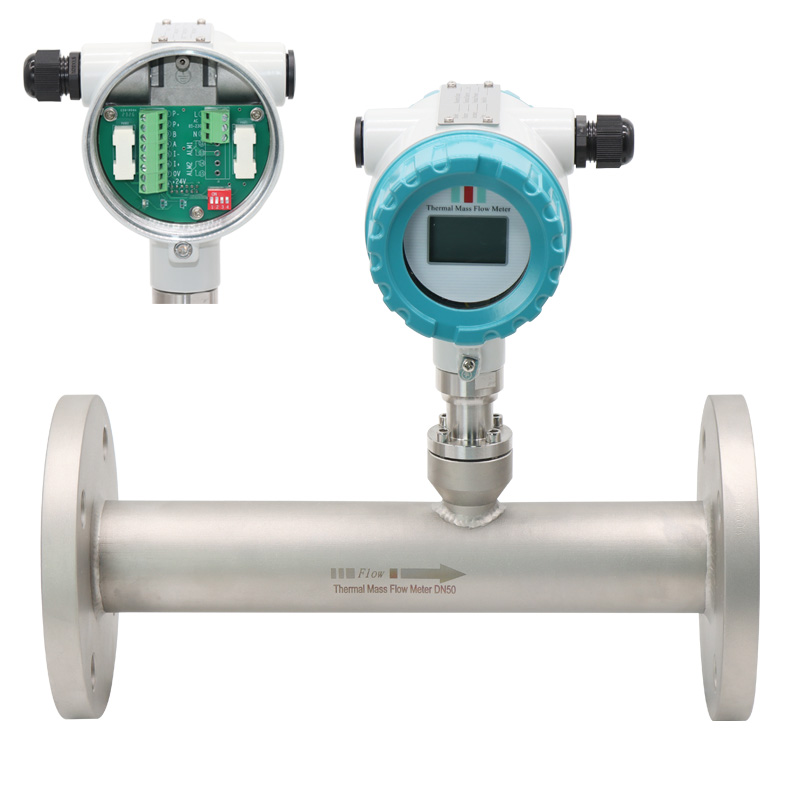
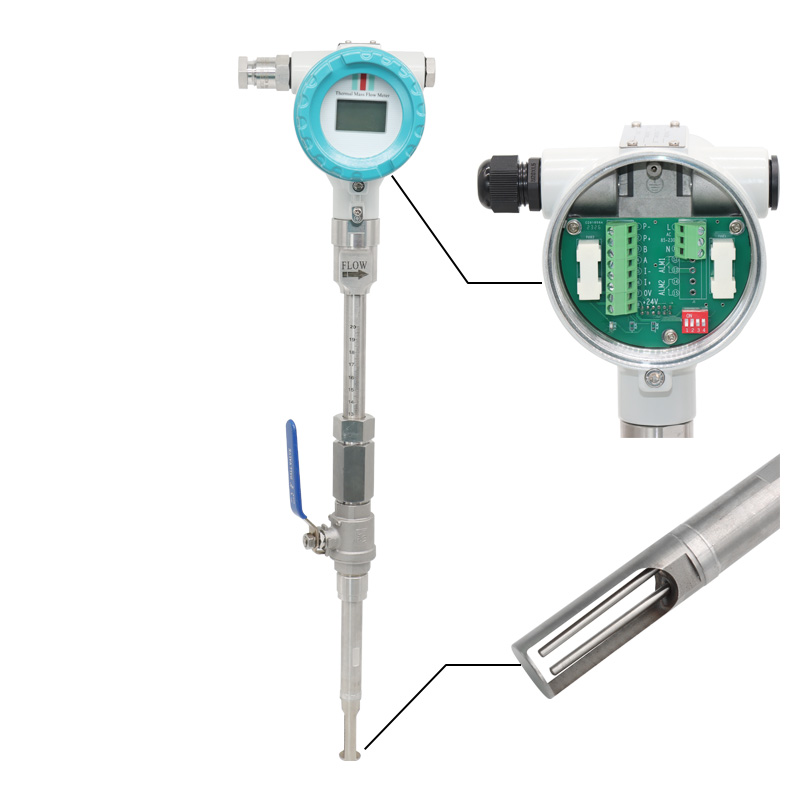
-.jpg)
How to Operate an Oxygen Flow Meter
1. Preparation Before Use
Before operating the flow meter, always perform basic checks:
- Ensure the oxygen source (cylinder or pipeline) is functioning properly
- Confirm all connections are tight and leak-free
- Check that the flow meter is clean and undamaged
2. Understand the Flow Meter Specifications
To avoid misuse:
- Read the user manual carefully
- Verify the measurement range (e.g., L/min, Nm³/h)
- Identify warning limits and maximum flow capacity
3. Adjust the Oxygen Flow Rate
Follow these steps for accurate control:
- Slowly open the oxygen cylinder valve
- Gradually open the flow control valve
- Adjust until the desired flow rate is reached
- Avoid sudden pressure changes to protect the device
4. Monitor During Operation
Continuous monitoring ensures stability:
- Observe the display (analog or digital)
- Ensure readings remain within the safe range
- Watch for fluctuations or abnormal values
5. Proper Shutdown Procedure
After use:
- Close the flow control valve
- Shut off the oxygen source
- Clean the meter surface
- Store in a dry, safe environment
Safety Precautions When Using Oxygen Flow Meters
Working with oxygen requires strict safety awareness:
- Never exceed the maximum rated flow
- Keep away from flames and flammable materials
- Avoid oil or grease contamination
- Perform regular calibration and maintenance
- Stop using immediately if abnormalities occur
Common Oxygen Flow Meter Problems and Solutions
1. Inaccurate Readings
Possible Causes:
- Sensor contamination or blockage
- Calibration drift
- Internal damage
Solutions:
- Clean the sensor or measuring tube
- Recalibrate the device
- Replace damaged components
2. Gas Leakage
Possible Causes:
- Loose connections
- Damaged seals
Solutions:
- Tighten all fittings
- Use soap solution to detect leaks
- Replace worn seals
3. Blockage or Flow Restriction
Symptoms:
- Low or zero reading
- Unstable flow values
Solutions:
- Inspect pipeline for debris
- Remove blockages
- Repair damaged sections
4. Power Supply Issues (Digital Models)
Possible Causes:
- Low battery
- Faulty wiring
Solutions:
- Replace or recharge batteries
- Check cables and power connections
Quick Troubleshooting Checklist
Use this checklist to quickly identify issues:
- Check if the display is normal
- Inspect all connections for leaks
- Examine pipeline conditions
- Verify power supply status
Conclusion
Proper operation and effective troubleshooting are key to maintaining accurate and safe oxygen flow measurement. By following standardized procedures and addressing issues promptly, you can significantly improve system reliability, reduce downtime, and extend equipment lifespan.
If you need professional advice or product recommendations, feel free to contact us anytime.
Share To:
Next Post:
News
- Why is the thermal gas mass flowmeter not affected by pressure strength and temperature?
- What to do when a thermal gas mass flow meter fails?
- How are thermal gas mass flow meters used? What are the applications?
- Under what circumstances is the gas measurement need to be regulated compensated vortex flowmeter
- Why Is The Aister Thermal Gas Mass Flowmeter So Popular ?
- Gas turbine flowmeter manufacturers explain their main advantages in measurement
- Gas turbine flowmeter manufacturer Aister instrument field experience summary
- Aister Instrument Empowerment Conference