


ATEX Turbine Flowmeter Installation Guide: 5 Steps to Ensure Safety & Compliance in Explosive Zones
2026-03-19
In explosive environments (ATEX Zones 0/1/2), installation is not just a technical task—it’s a safety-critical operation.
A single mistake in grounding, cable selection, or positioning can lead to system shutdowns, regulatory penalties, or even catastrophic accidents.
This guide breaks down 5 essential installation steps to ensure compliance, reduce risk, and protect your bottom line—while showing how the right turbine flowmeter simplifies everything.
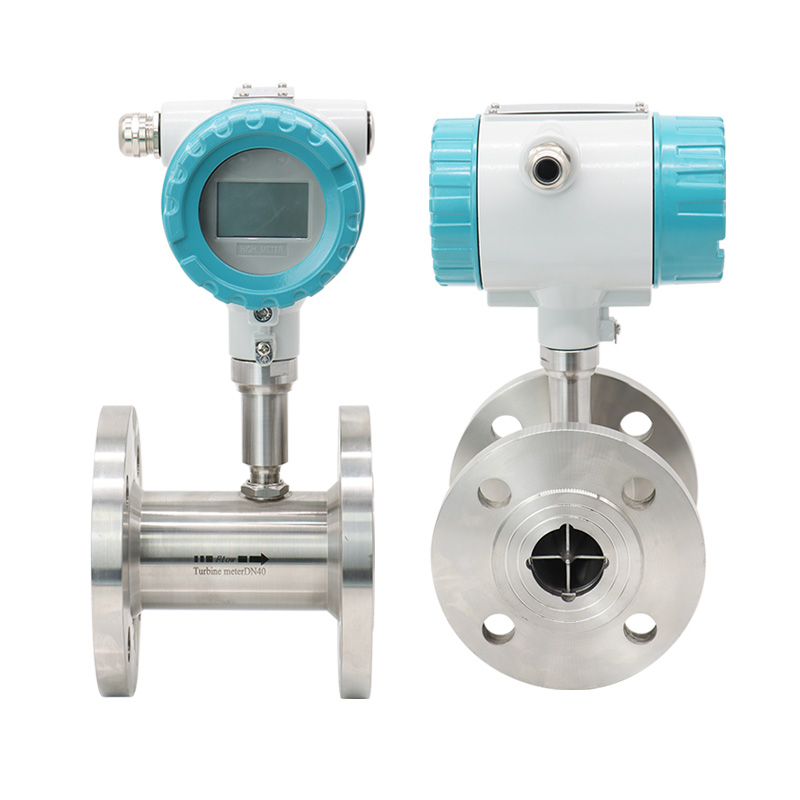
Why Proper ATEX Installation Matters
Industries such as oil & gas, chemical processing, and mining operate in hazardous environments where flammable gases or dust are present.
Improper installation can result in:
-
Explosion risks due to sparks or static discharge
-
OSHA fines (up to $15,000/day)
-
Costly downtime (often exceeding $50,000/day)
-
Equipment damage and safety incidents
Bottom line: Compliance isn’t optional—it’s operational survival.
1. Choose Certified ATEX Flowmeters (No Compromises)
Problem:
Using non-certified or mismatched equipment in hazardous zones increases explosion risk and violates regulations.
Solution:
Select turbine flowmeters with proper certifications:
-
Ex ia IIC T4 (intrinsically safe)
-
Ex d IIB T6 (flameproof)
Ensure compliance with EN 60079-14 standards.
Best Practice:
Always verify the Declaration of Conformity (DoC) before installation.
Our Advantage:
-
Pre-certified ATEX & IECEx turbine flowmeters
-
Full documentation included—no compliance guesswork
2. Grounding: The Most Critical Safety Layer
Problem:
Poor grounding can cause static discharge, igniting flammable gases or dust.
Solution:
-
Use a dedicated grounding point (never shared)
-
Connect via ≥4 mm² copper wire
-
Ensure grounding resistance is < 1Ω
Why It Matters:
Static electricity is one of the most overlooked ignition sources in ATEX environments.
Our Advantage:
-
Pre-installed grounding lug
-
Clear wiring diagrams for fast installation
3. Use Correct Cable Glands (IS vs Non-IS)
Problem:
Mixing intrinsically safe (IS) and non-IS circuits can create spark hazards.
Solution:
-
Use blue cable glands → Intrinsically Safe circuits
-
Use black cable glands → Non-IS circuits
-
Clearly label all connections
Installation Tip:
Always maintain physical separation between IS and non-IS wiring.
Our Advantage:
-
Supplied with ATEX-approved cable glands
-
Eliminates sourcing errors and compatibility issues
4. Install in the Right Position (Flow Stability Matters)
Problem:
Incorrect positioning (especially vertical installation) can cause:
-
Turbulence
-
Rotor damage
-
Measurement inaccuracies
Solution:
-
Install horizontally (preferred)
-
Keep tilt angle ≤ 5°
-
Ensure:
-
2D upstream straight pipe
-
1D downstream straight pipe
-
Impact:
Stable flow = longer lifespan + higher accuracy.
Our Advantage:
-
Detailed CAD piping layouts included
-
Designed for both horizontal and vertical configurations
5. Perform Post-Installation Leak Testing
Problem:
Undetected leaks can lead to:
-
Safety hazards
-
Regulatory fines (EPA)
-
Unexpected shutdowns
Solution:
-
Test at 1.5× maximum working pressure
-
Use:
-
Soap solution
-
Ultrasonic leak detectors
-
Key Insight:
Leak testing is your final defense before commissioning.
Our Advantage:
-
Remote engineering support for leak testing
-
Real-time guidance via video call
Real-World Case: The Cost of Ignoring ATEX Standards
A chemical plant neglected proper grounding practices.
Result:
-
Static discharge triggered a shutdown
-
3 days of downtime
-
$50,000+ in losses
After switching to certified turbine flowmeters and following proper installation:
-
Zero incidents in 2 years
-
Improved operational reliability
Why Choose Our ATEX Turbine Flowmeters?
We design specifically for hazardous environments:
-
✅ ATEX & IECEx certified (Ex ia / Ex d)
-
✅ Tool-free grounding system
-
✅ Bundled certified cable glands
-
✅ Installation guides (CAD-ready)
-
✅ 24/7 remote technical support
-
✅ 5-year warranty (including safety-related failures)
Conclusion: Install Right, Operate Safely
In ATEX zones, there is no margin for error.
Every detail—from certification to grounding—directly impacts safety, compliance, and profitability.
By following these 5 installation best practices, you can:
-
Eliminate ignition risks
-
Ensure regulatory compliance
-
Reduce downtime and maintenance costs
The right turbine flowmeter doesn’t just measure flow—it protects your entire operation.
If you need professional advice or product recommendations, feel free to contact us anytime.
Share To:
Next Post:
News
- Why is the thermal gas mass flowmeter not affected by pressure strength and temperature?
- What to do when a thermal gas mass flow meter fails?
- How are thermal gas mass flow meters used? What are the applications?
- Under what circumstances is the gas measurement need to be regulated compensated vortex flowmeter
- Why Is The Aister Thermal Gas Mass Flowmeter So Popular ?
- Gas turbine flowmeter manufacturers explain their main advantages in measurement
- Gas turbine flowmeter manufacturer Aister instrument field experience summary
- Aister Instrument Empowerment Conference