Home » Flow Meter » Electromagnetic Flow Meter » Sewage flow meter selection introduction

Sewage flow meter selection introduction

The shortage of water resources and the impact of sewage on the environment are the two major problems facing the solution of water resources. In the process of solving these problems, the flowmeter has a role that cannot be ignored. Choosing a good sewage flowmeter plays a crucial role in solving the problem.

Rated 4.6/5 based on 357 customer reviews
Share:
Content

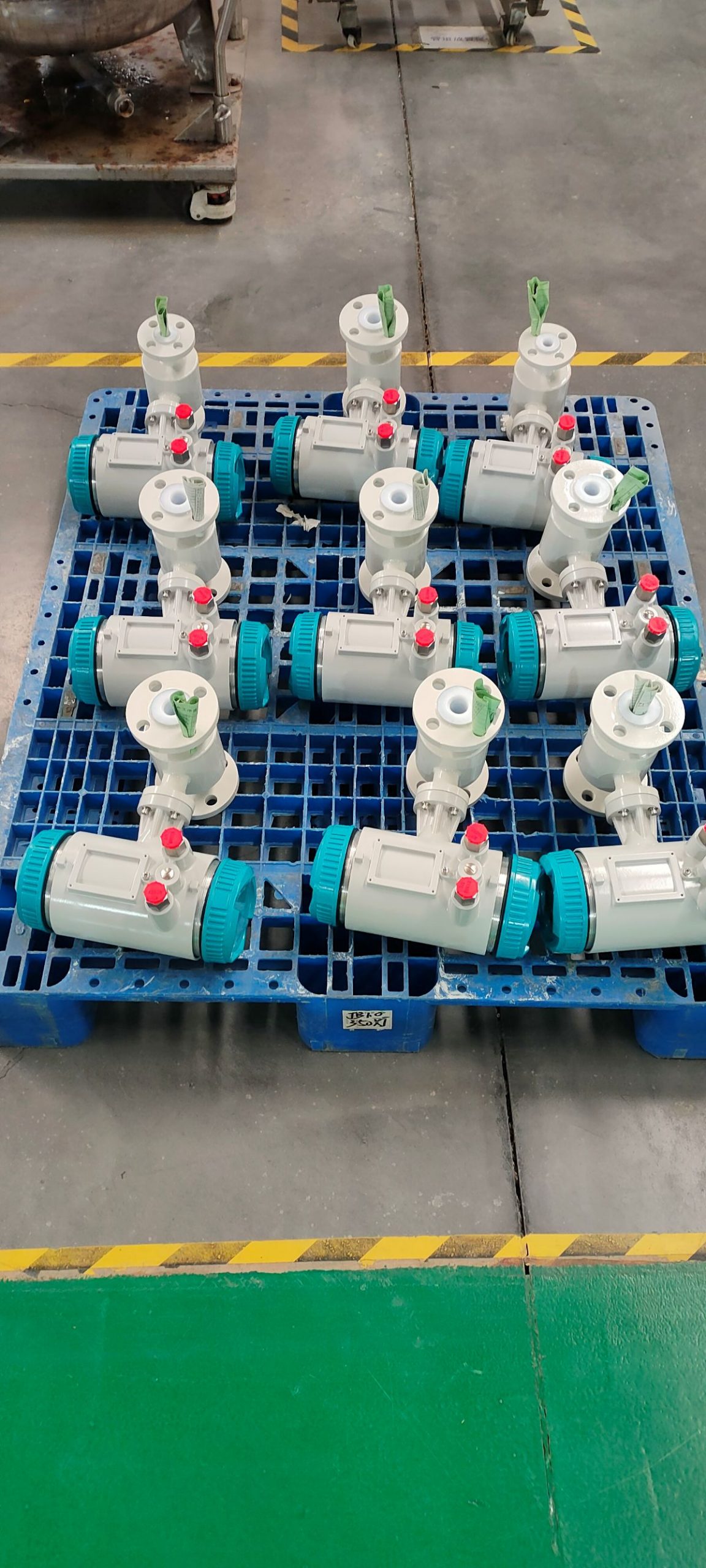
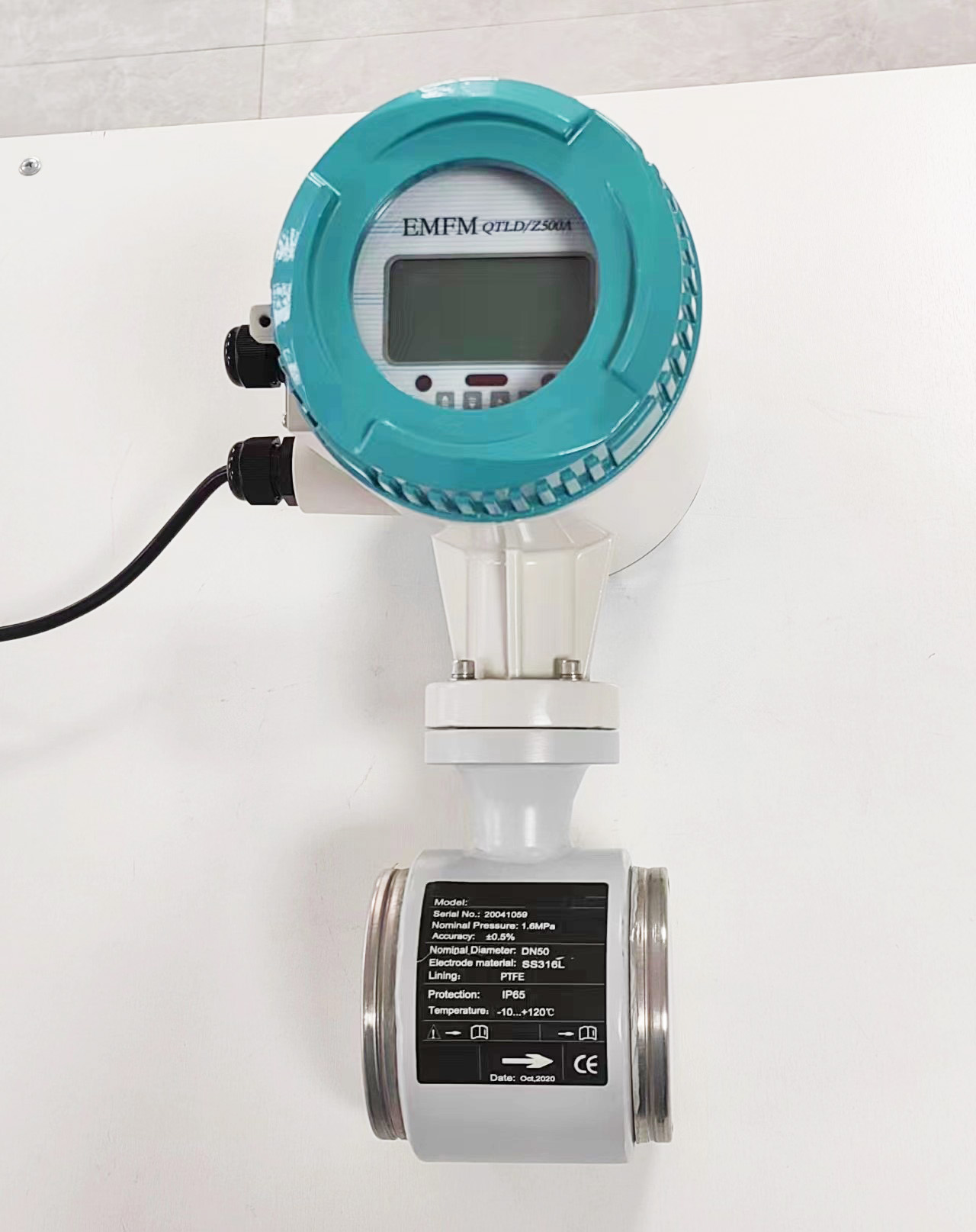
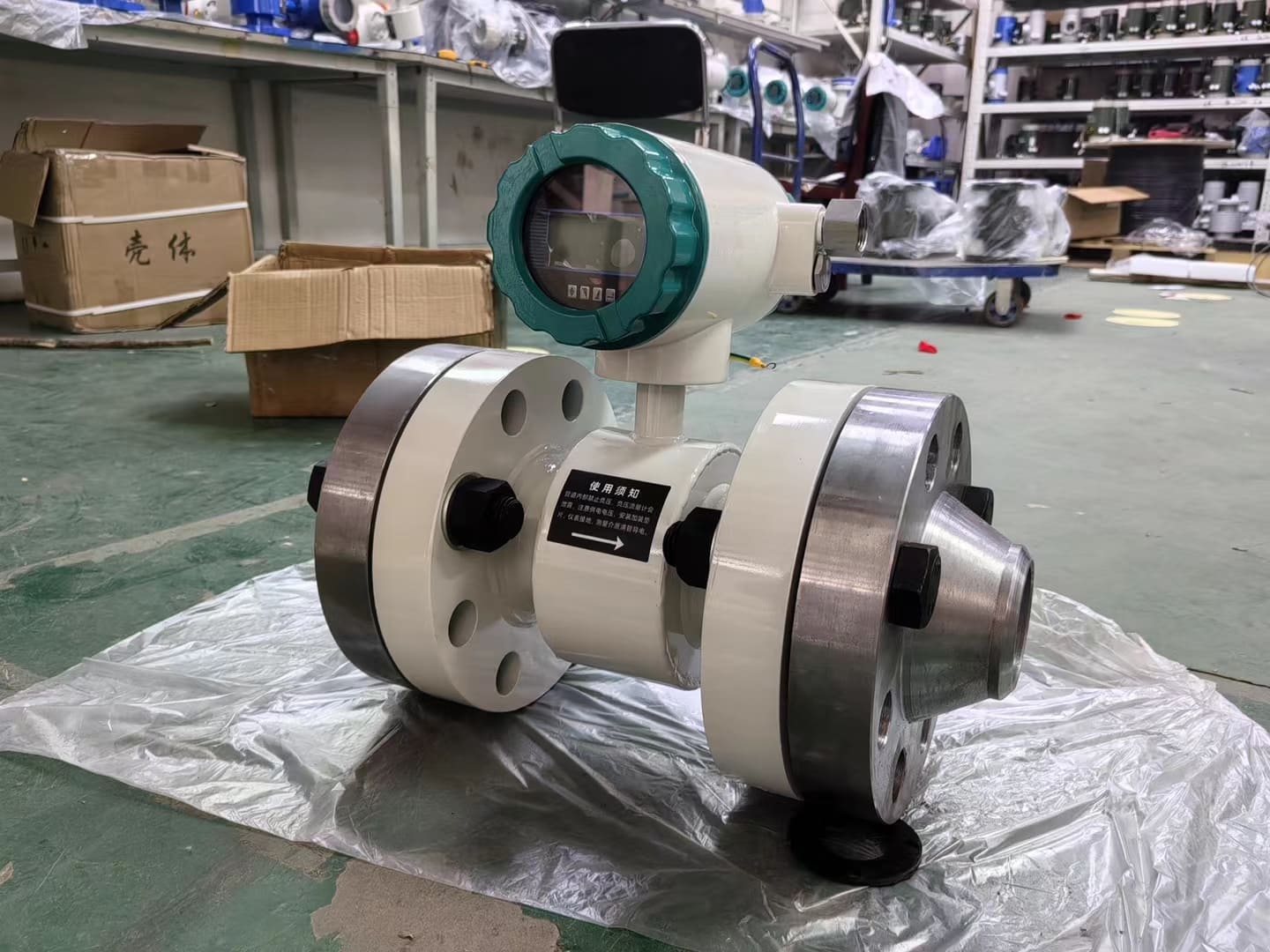
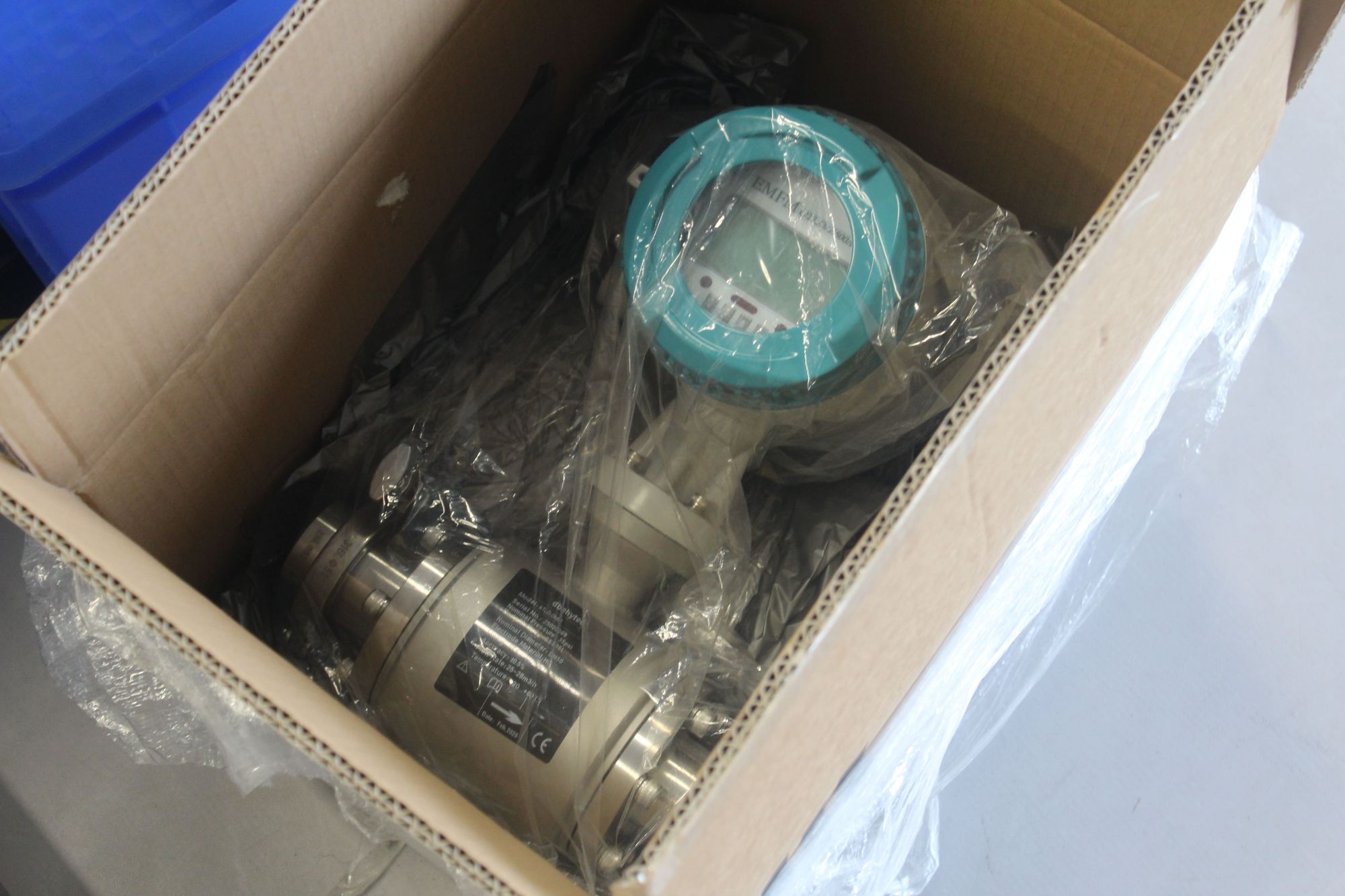
1, electromagnetic flowmeter

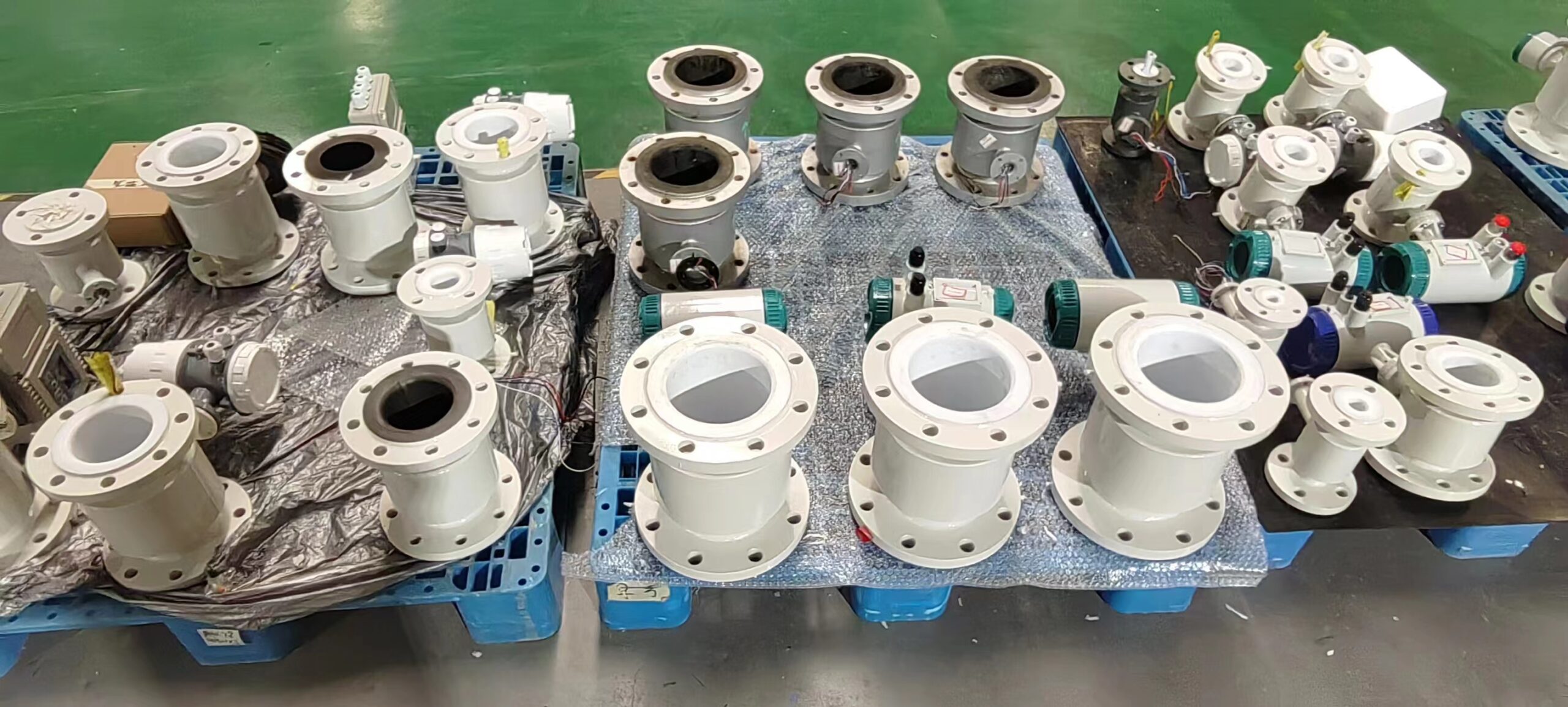
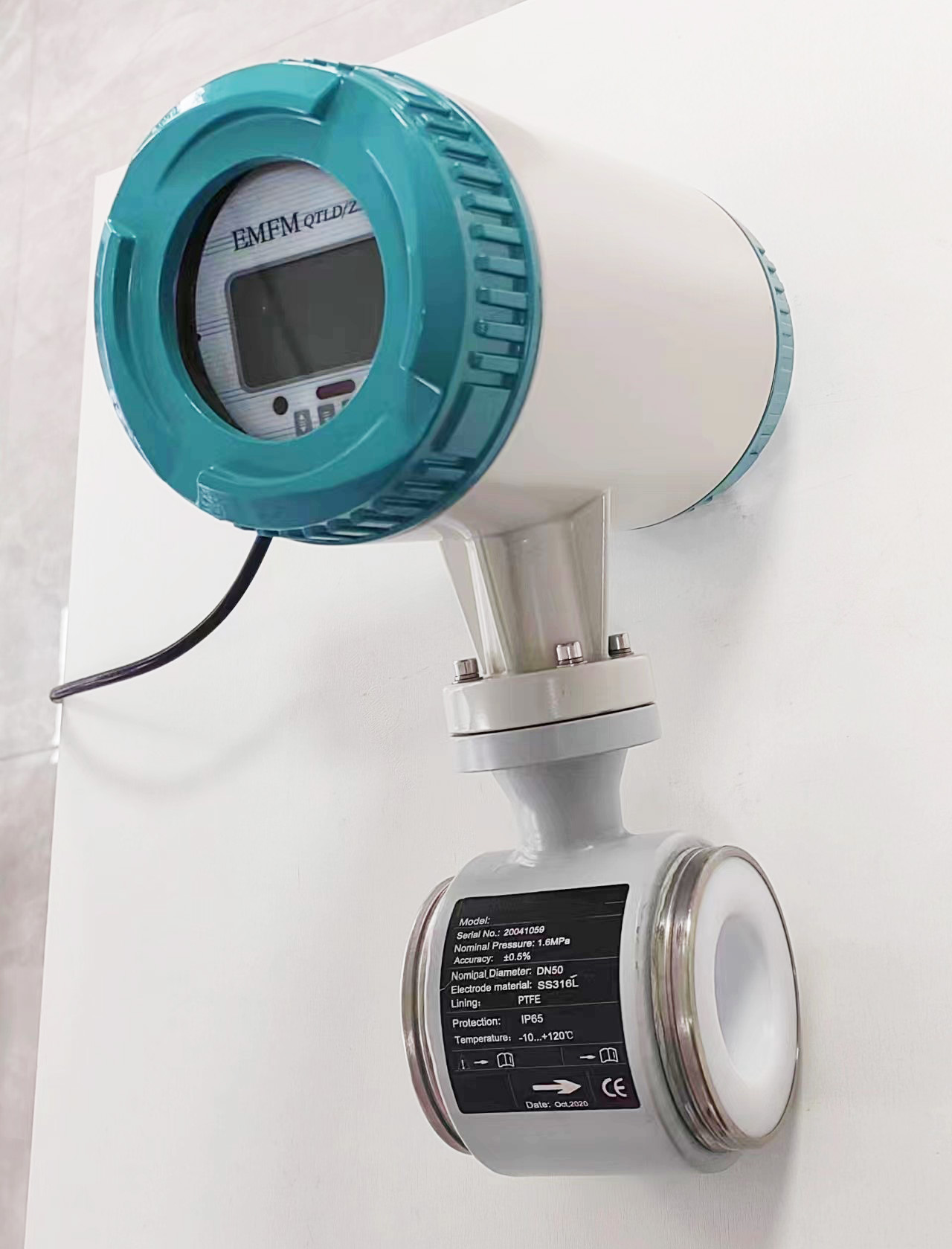
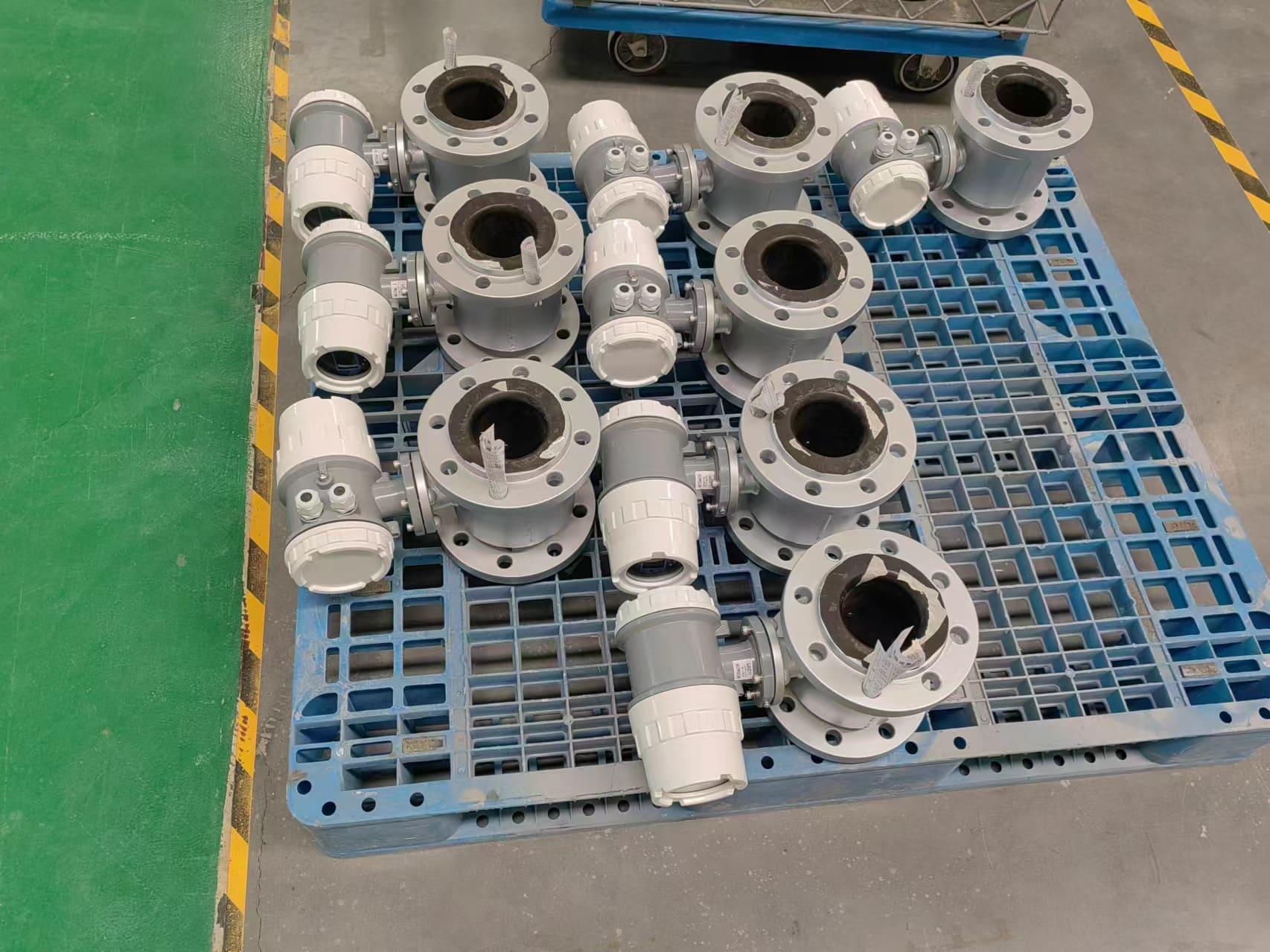
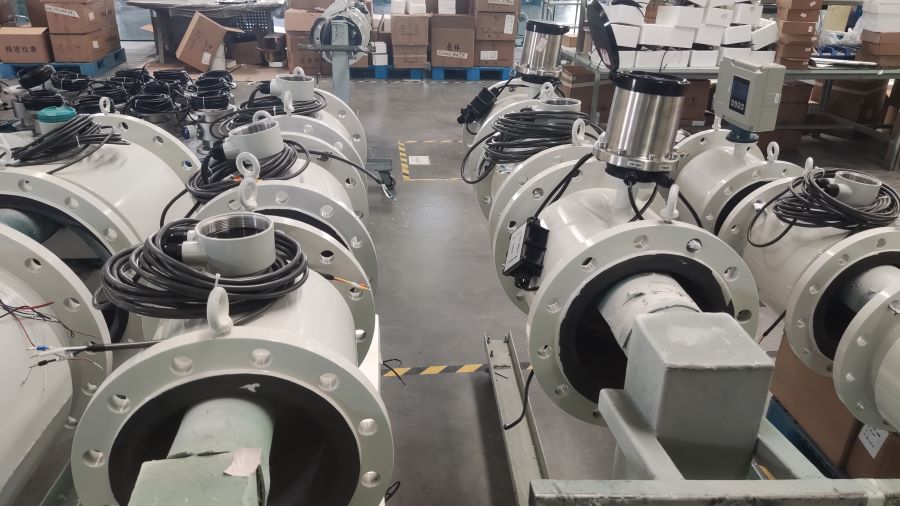
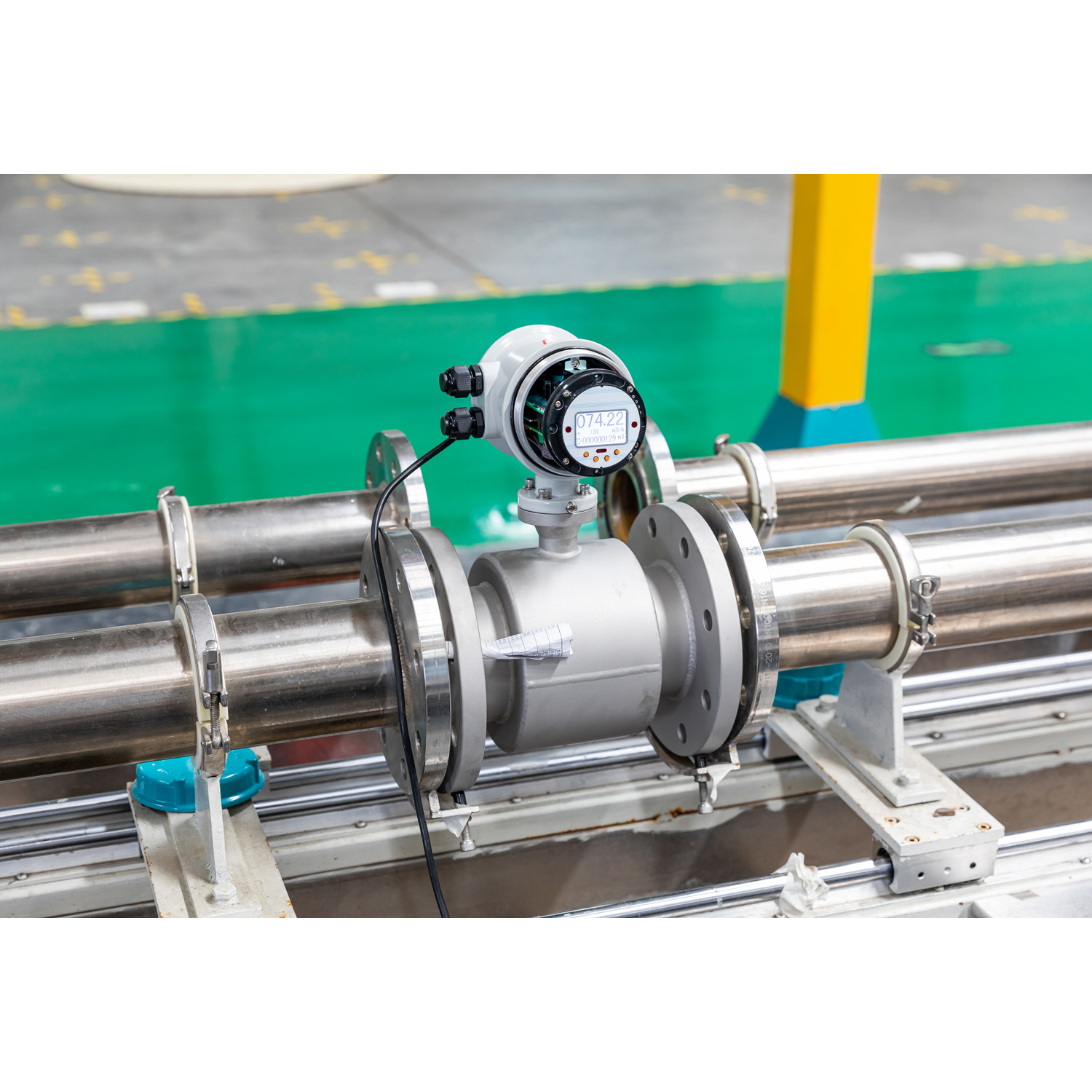
Advantages: The electromagnetic flowmeter has a simple structure, and there are no moving parts and choke parts inside the pipeline, which will not cause additional pressure loss when the medium flows through; Liquid-solid two-phase flow medium with measurable suspension; The measurement results are not affected by fluid density, viscosity, temperature, pressure and conductivity.

Disadvantages: If the medium contains gas, the measurement results will be affected to some extent.

2, ultrasonic flowmeter

Advantages: Non-contact measurement can be achieved, non-conductive liquid can be measured, no pressure loss.

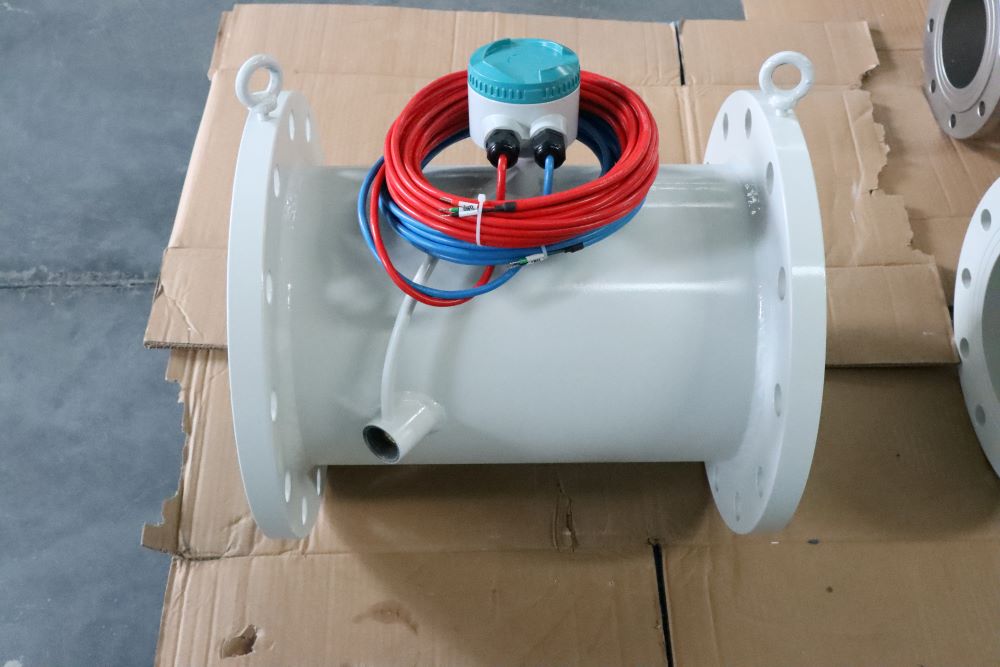
Disadvantages: Can only measure clean liquid, if the medium contains acrobatics, not recommended.
Inquiry


    More Electromagnetic Flow Meter

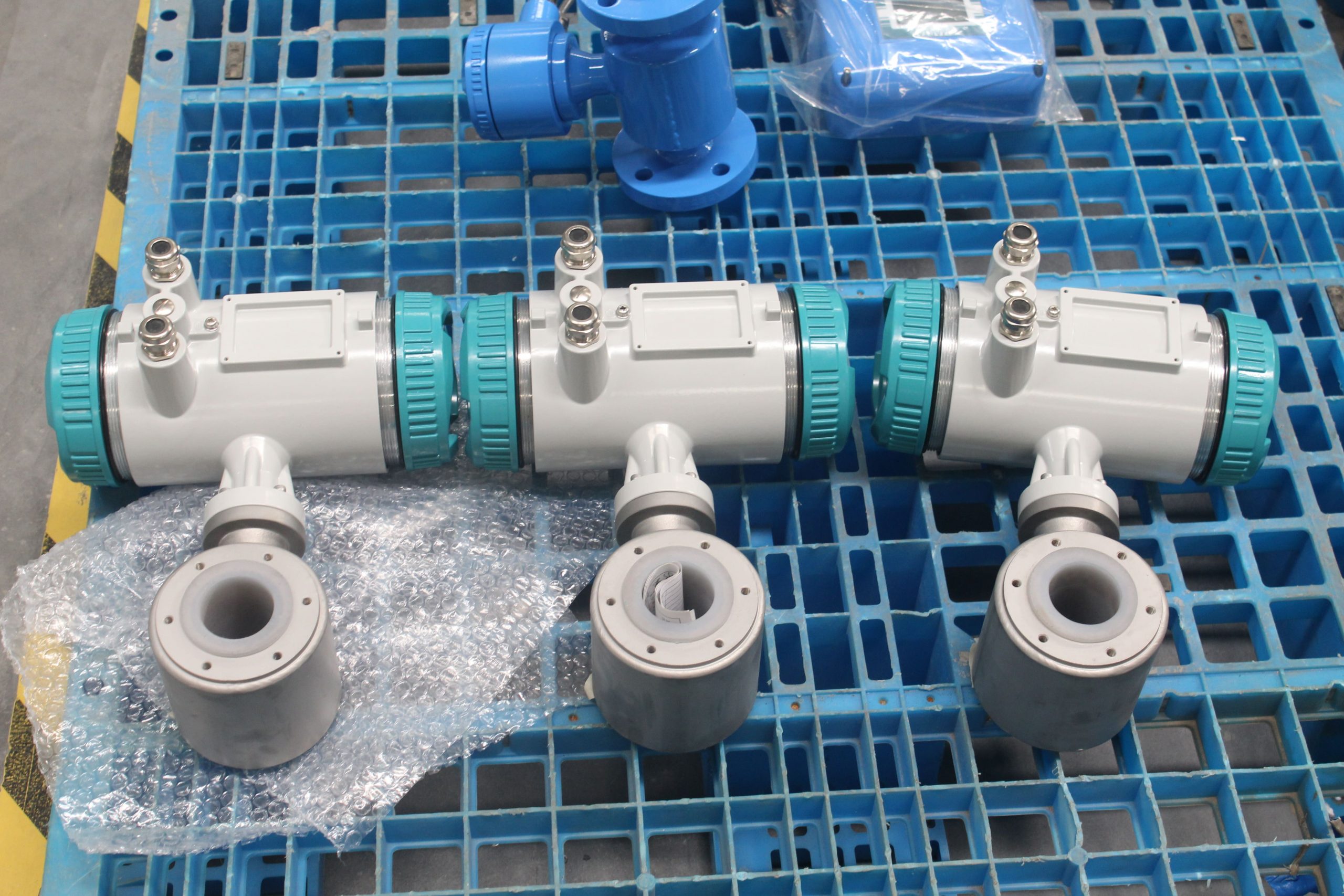
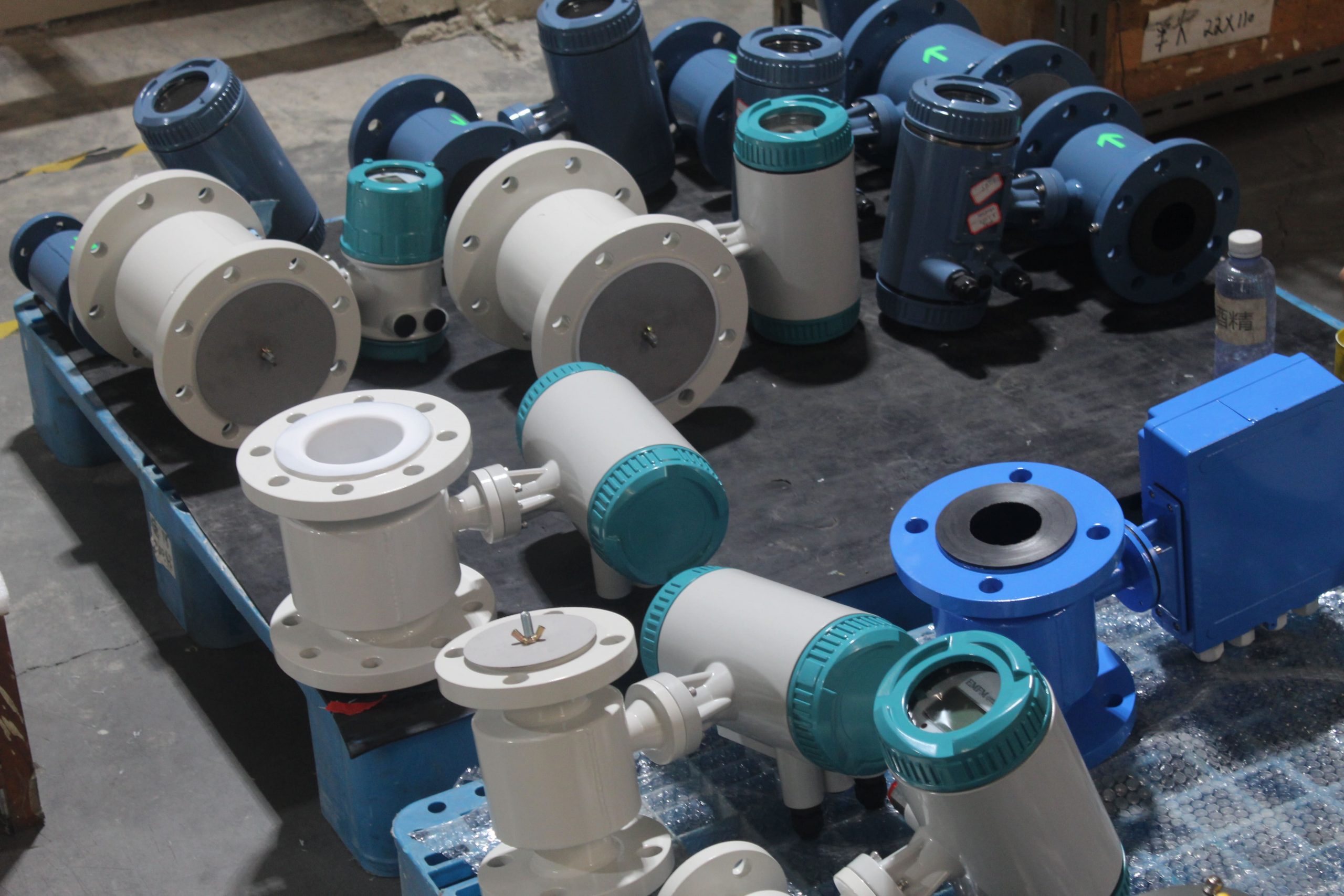
    electromagnetic flowmeters have emerged as indispensable tools for industries that demand accurate and reliable flow measurements. Their advanced technology, coupled with the ability to operate in diverse environments and handle various conductive liquids, positions them as a preferred choice in applications ranging from water management to chemical processing. As technology continues to evolve, electromagnetic flowmeters are likely to witness further advancements, contributing to increased efficiency and precision in liquid flow measurement across different sectors.

    Size: DN3-DN3000mm
    Nominal Pressure: 0.6-1.6Mpa(2.5Mpa/4.0Mpa/6.4Mpa… Max 42Mpa)
    Accuracy: +/-0.5%(Standard) +/-0.3% or +/-0.2%(Optional)
    Liner: PTFE, Neoprene, Hard Rubber, EPDM, FEP, Polyurethane, PFA
    Electrode: SUS316L, Hastelloy B, Hastelloy C Titanium, Tantalum, Platinium-iridium
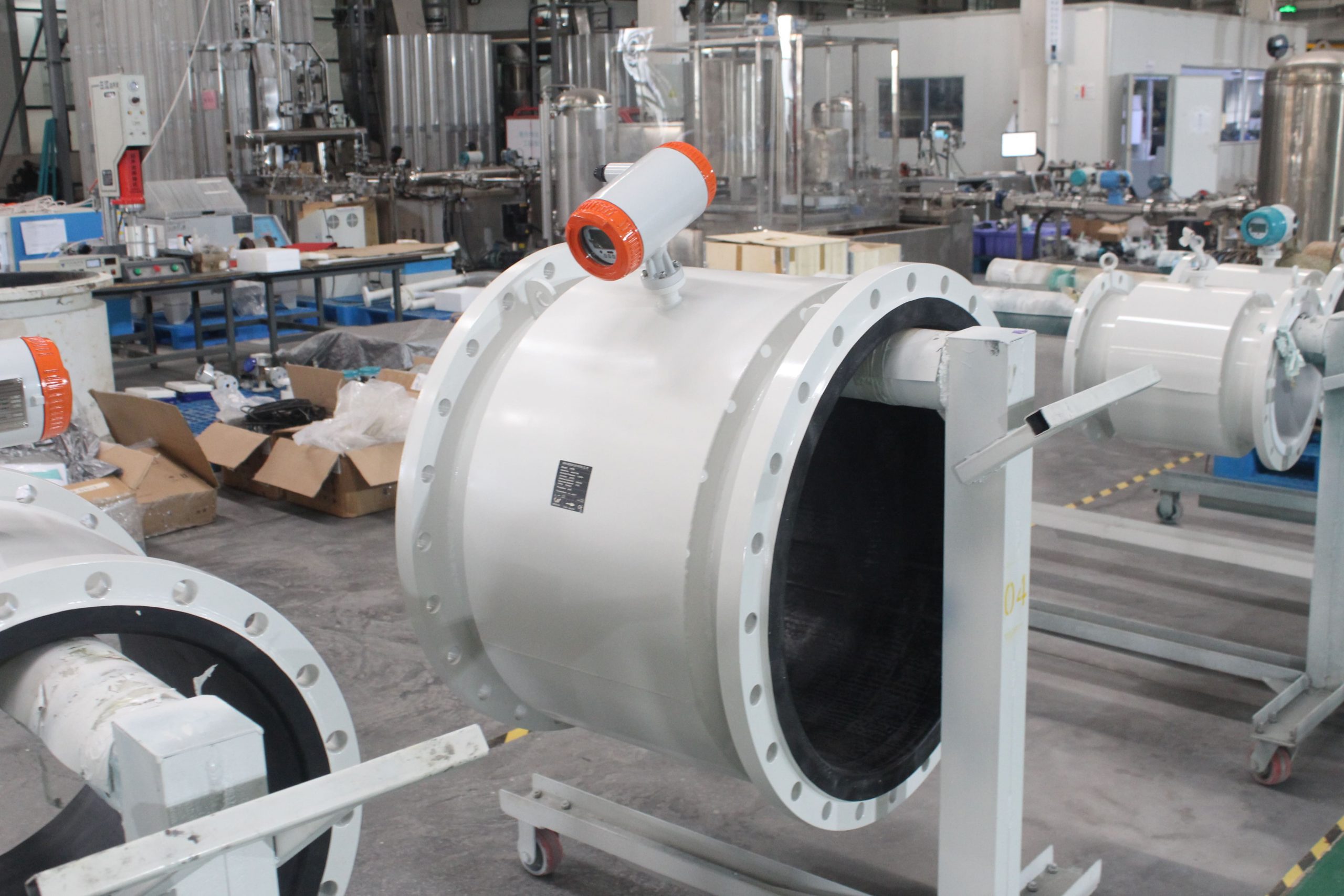
    Structure Type: Integral type, remote type, submersible type, ex-proof type
    Medium Temperature: -20~+60 degC(Integral type)
    Remote type ( Neoprene ,Hard Rubber ,Polyurethane ,EPDM) -10~+80degC
    Remote type(PTFE/PFA/FEP) -10~+160degC
    Ambient Temperature: -20~+60deg C
    Ambient Humidity: 5-100%RH(relative humidity)
    Measuring Range: Max 15m/s
    Conductivity: >5us/cm
    Protection Class: IP65(Standard); IP68(Optional for remote type)
    Process Connection: Flange (Standard), Wafer, Thread, Tri-clamp etc (Optional)
    Output Signal: 4-20mA/Pulse
    Communication: RS485(Standard), HART(Optional),GPRS/GSM (Optional)
    Power Supply: AC220V (can be used for AC85-250V)
    DC24V (can be used for DC20-36V)
    DC12V (optional), Battery Powered 3.6V (optional)
    Power Consumption: <20W Alarm: Upper Limit Alarm / Lower Limit Alarm Self-diagnosis: Empty Pipe Alarm, Exciting Alarm Explosion Proof: ATEX