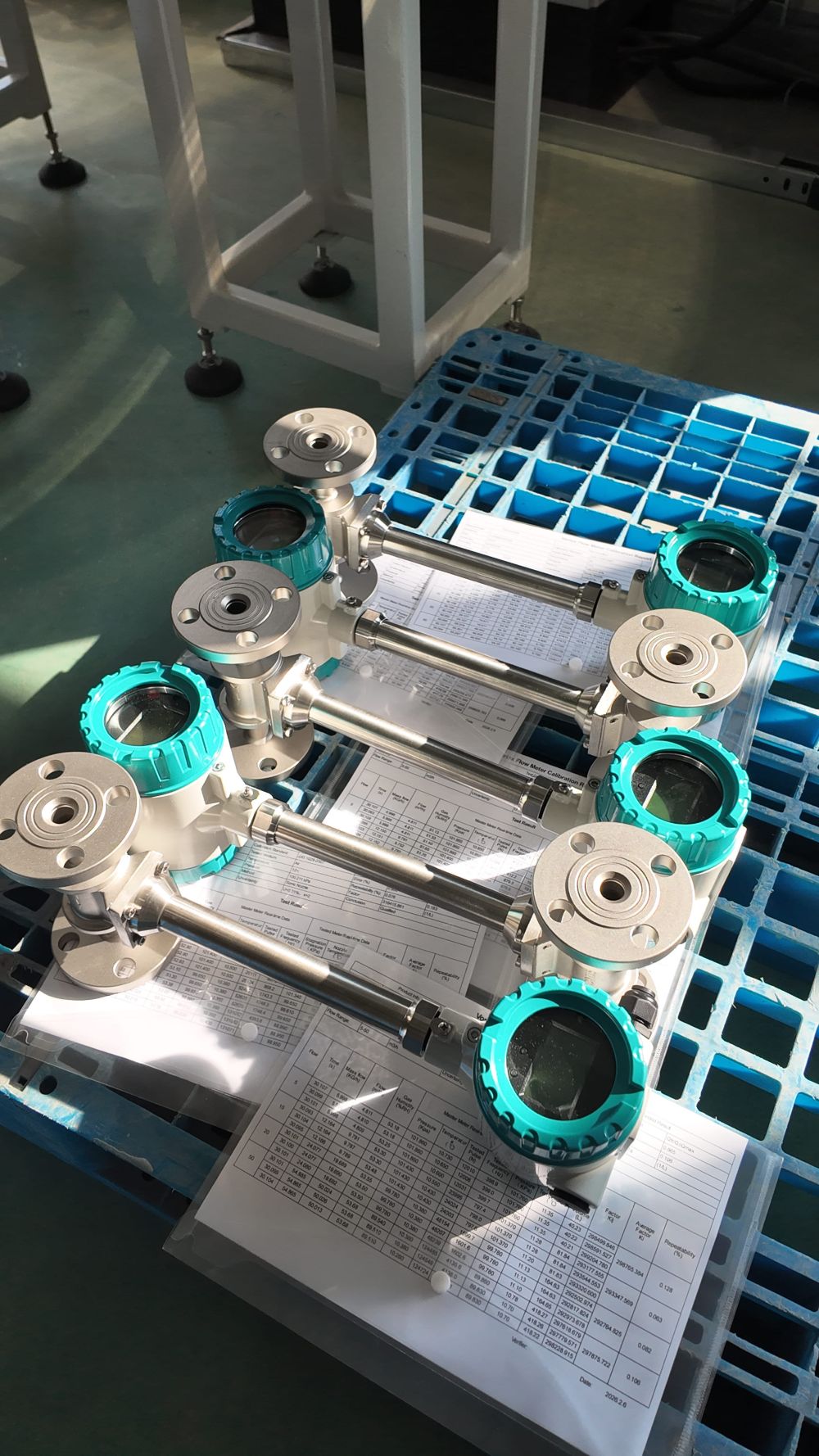
How to Choose the Right Vortex Flowmeter: 8 Key Factors for Perfect Application Matching
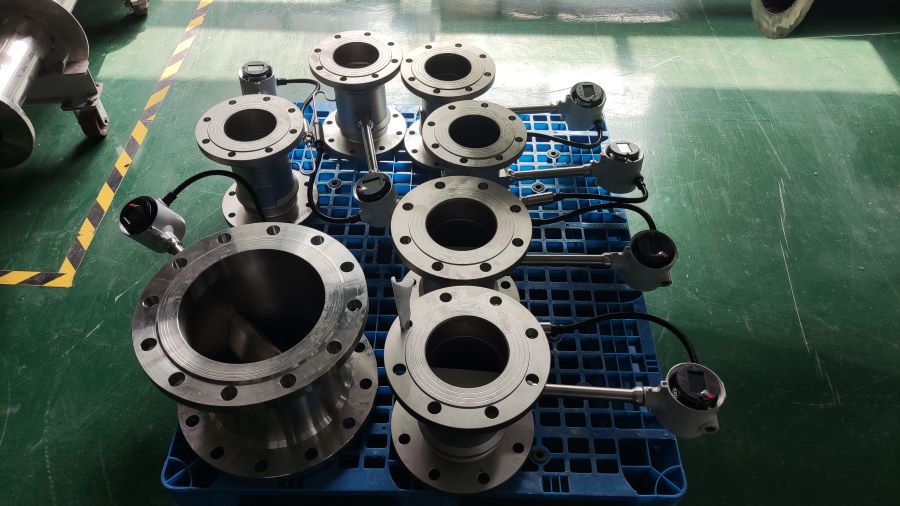
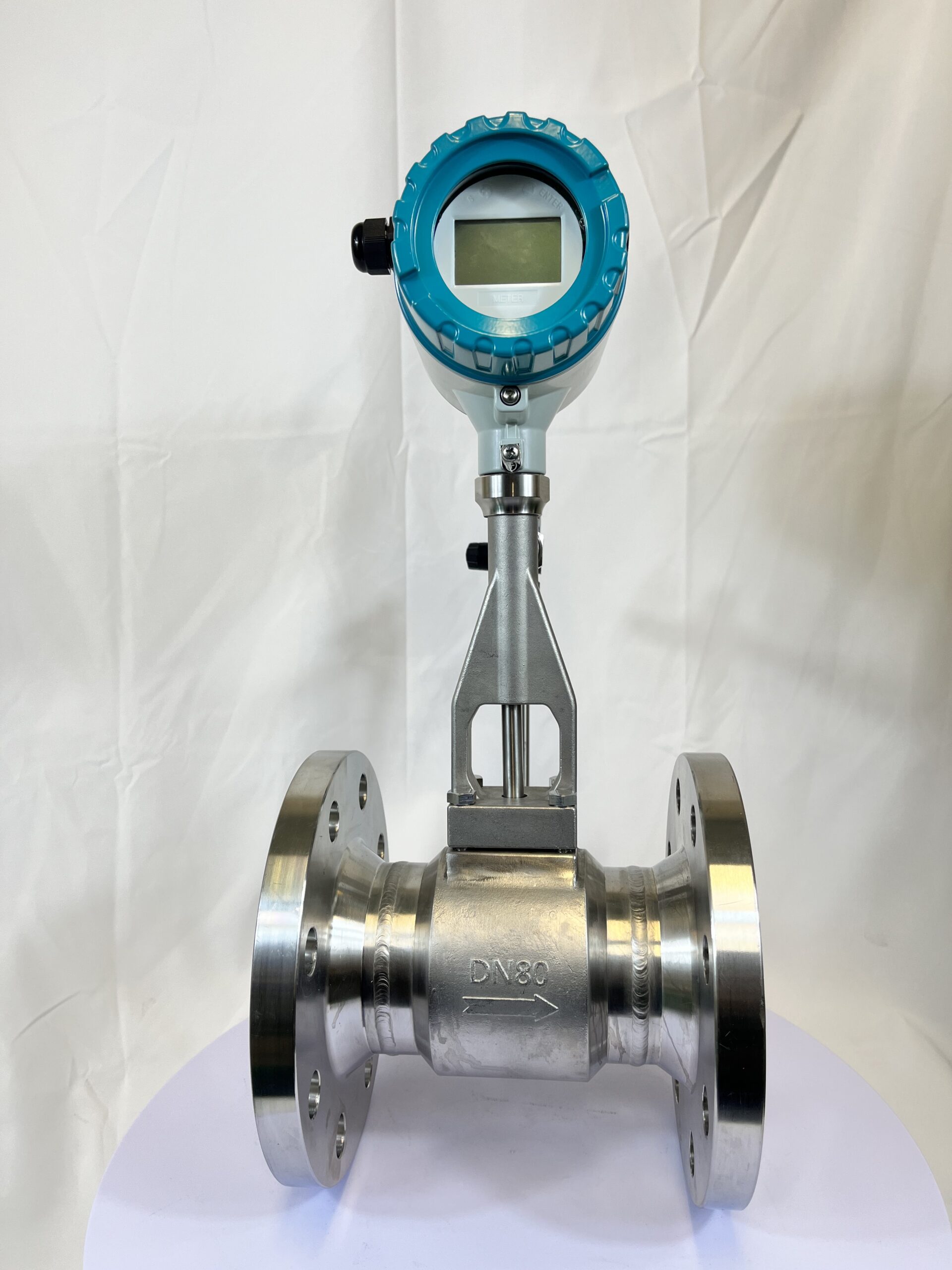
In industrial flow measurement, selecting the right instrument is not just about specifications—it’s about matching the device to real-world operating conditions. A vortex flowmeter is widely used for steam, compressed air, and various gases and liquids due to its simple structure, low pressure loss, and wide turndown ratio.
In industrial flow measurement, selecting the right instrument is not just about specifications—it’s about matching the device to real-world operating conditions. A vortex flowmeter is widely used for steam, compressed air, and various gases and liquids due to its simple structure, low pressure loss, and wide turndown ratio.
However, improper selection can quickly turn a high-precision instrument into an unreliable “blind spot” in your system.
This guide breaks down 8 essential factors to help you choose the right vortex flowmeter and ensure stable, accurate performance.
1. Identify the Medium Type and Cleanliness
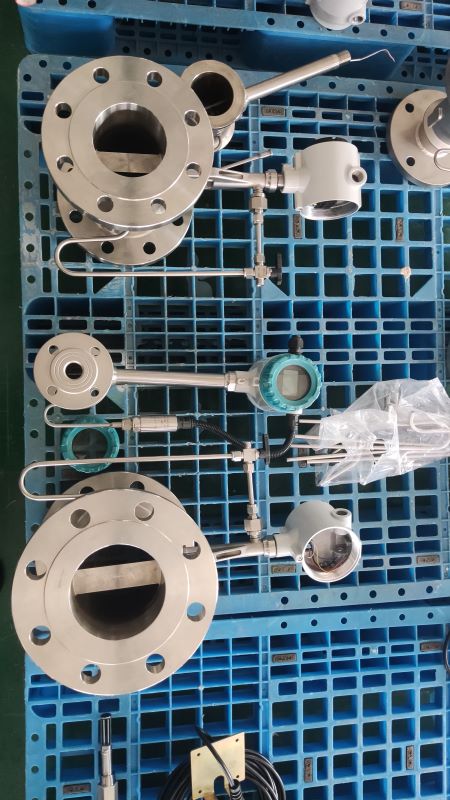
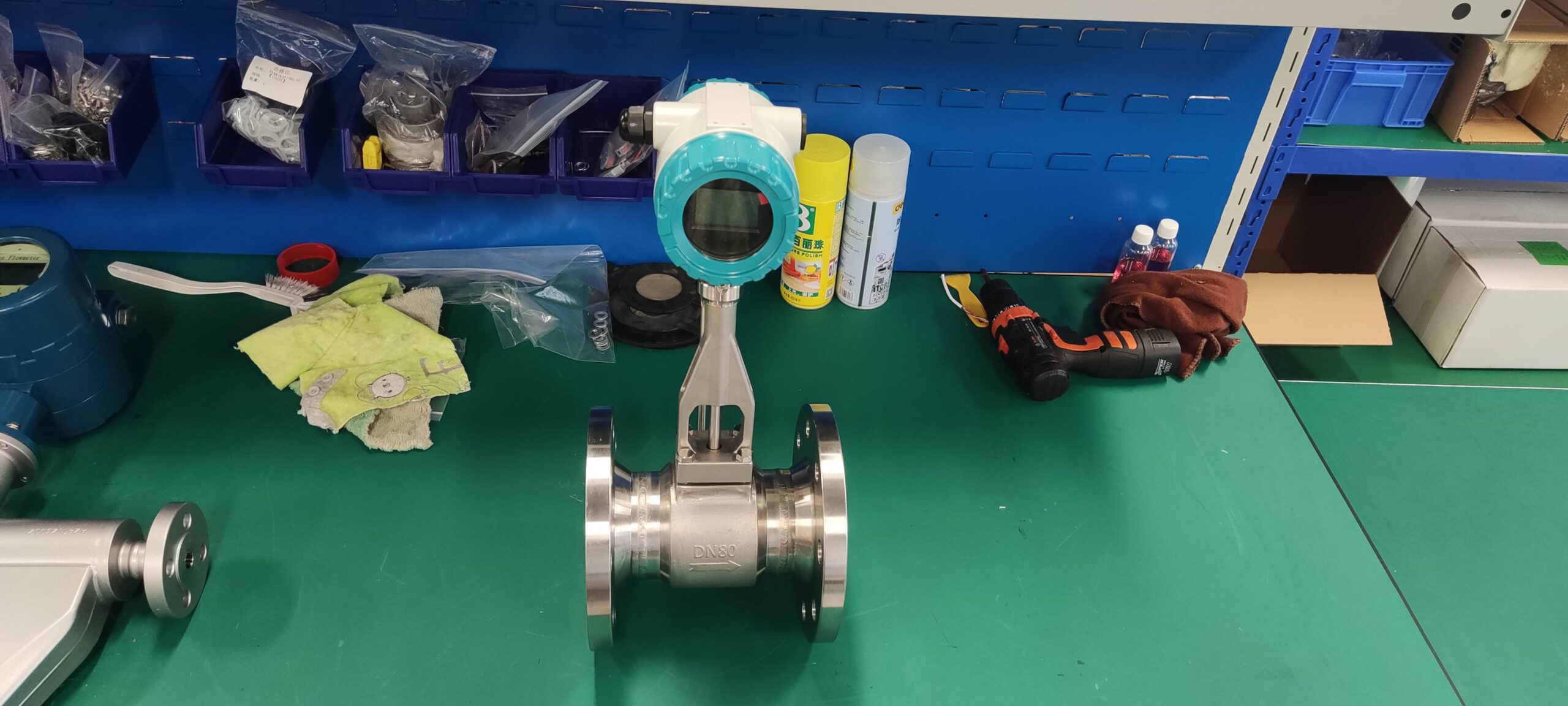
Vortex flowmeters operate based on vortex shedding behind a bluff body. This principle works best with clean fluids.
- Suitable media: steam, clean gases, clean liquids
- Not suitable: fluids with solid particles, sludge, or long fibers
Why it matters:
Contaminants can cause blockage or wear on the vortex shedder, leading to distorted signals and reduced accuracy.
2. Ensure Flow Rate Falls Within the Optimal Range
Every vortex flowmeter has a defined velocity range:
- Liquids: typically 0.4–7 m/s
- Gases/steam: typically 5–70 m/s
Best practice:
- Provide minimum, normal, and maximum flow rates
- Keep the normal flow within 1/3 to 2/3 of the full scale
Why it matters:
- Too low → weak signal, high noise interference
- Too high → excessive pressure loss or cavitation risk
3. Evaluate Pipeline Vibration Conditions
Vortex flowmeters are sensitive to vibration, especially when vibration frequency overlaps with vortex shedding frequency.
Common vibration sources:
- Pumps
- Compressors
- Control valves
Solutions:
- Relocate installation point
- Use anti-vibration models with acceleration compensation
4. Define Temperature and Pressure Requirements
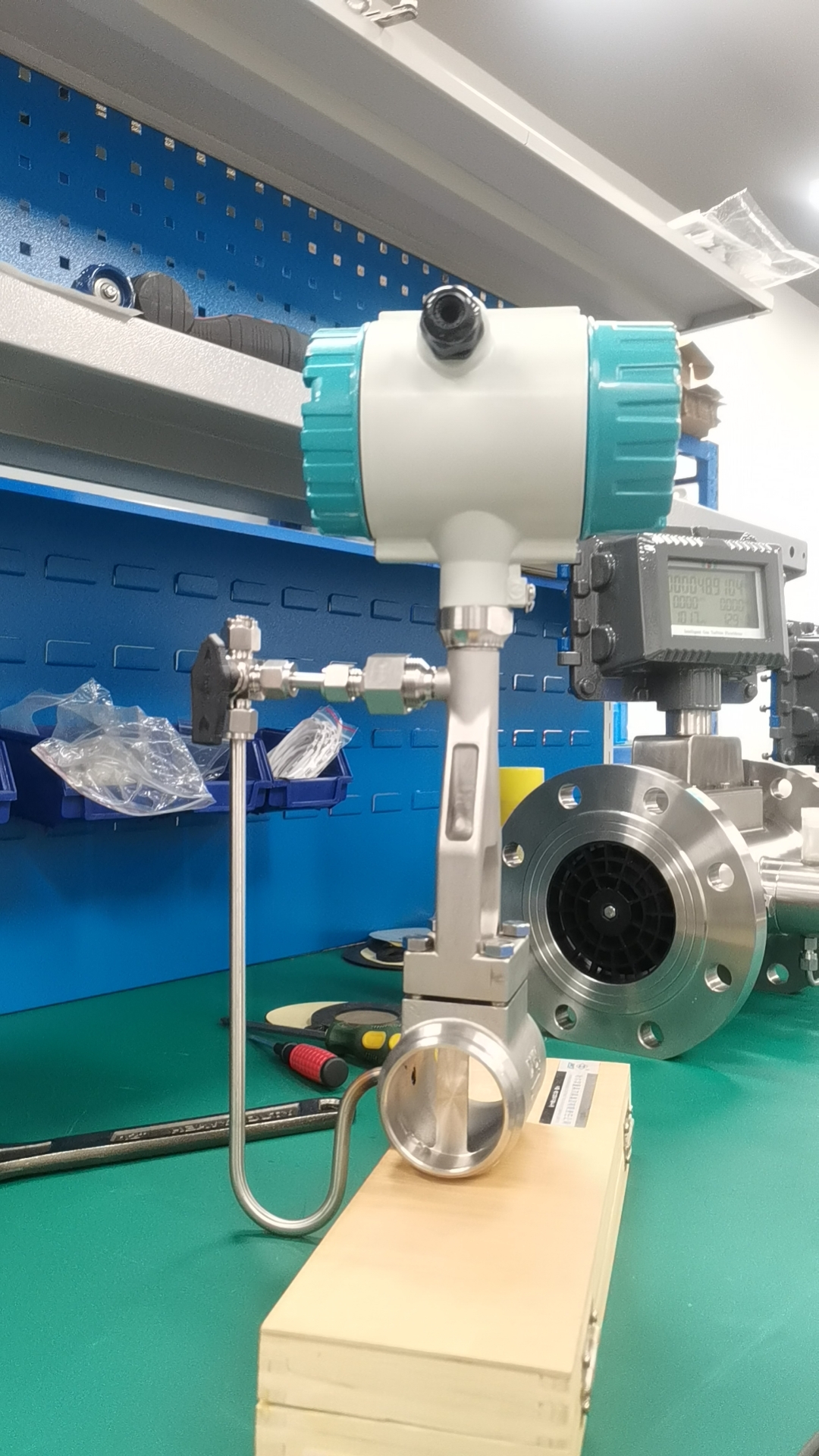
For gas and steam measurement, temperature and pressure compensation is essential to calculate mass flow.
Key considerations:
- Maximum and minimum operating temperature
- Working pressure range
- Sensor material limits (e.g., piezoelectric elements)
Options:
- Integrated temperature/pressure compensation
- External transmitters (split configuration)
5. Confirm Pipe Size and Installation Space
Vortex flowmeters require sufficient straight pipe length:
- Upstream: ≥ 10D
- Downstream: ≥ 5D
If space is limited:
- Consider flow conditioning or pipe reduction
- Use reducers to increase flow velocity (with recalculated pressure loss)
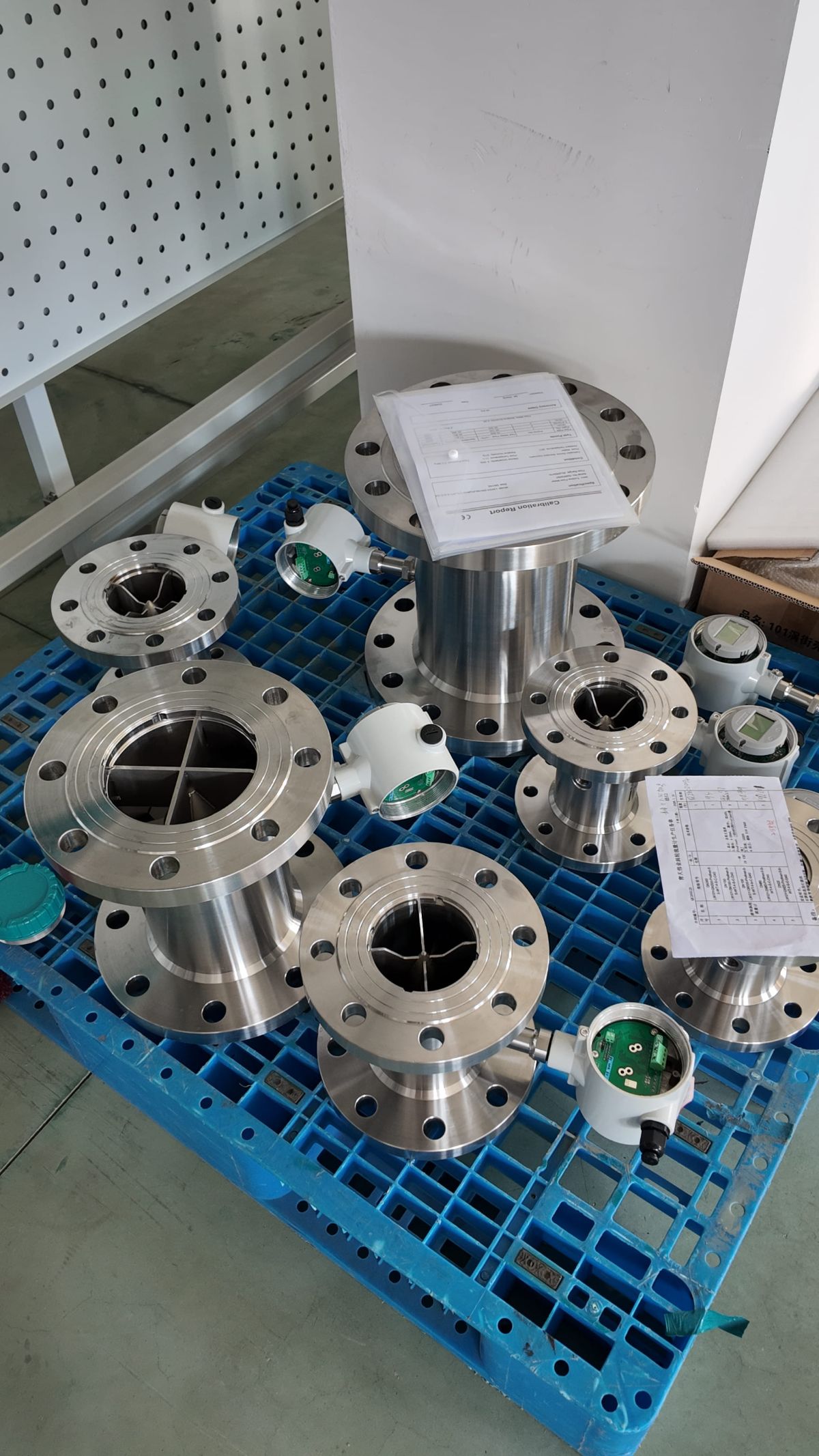
6. Select the Appropriate Connection Type
Connection type must match both mechanical and process requirements:
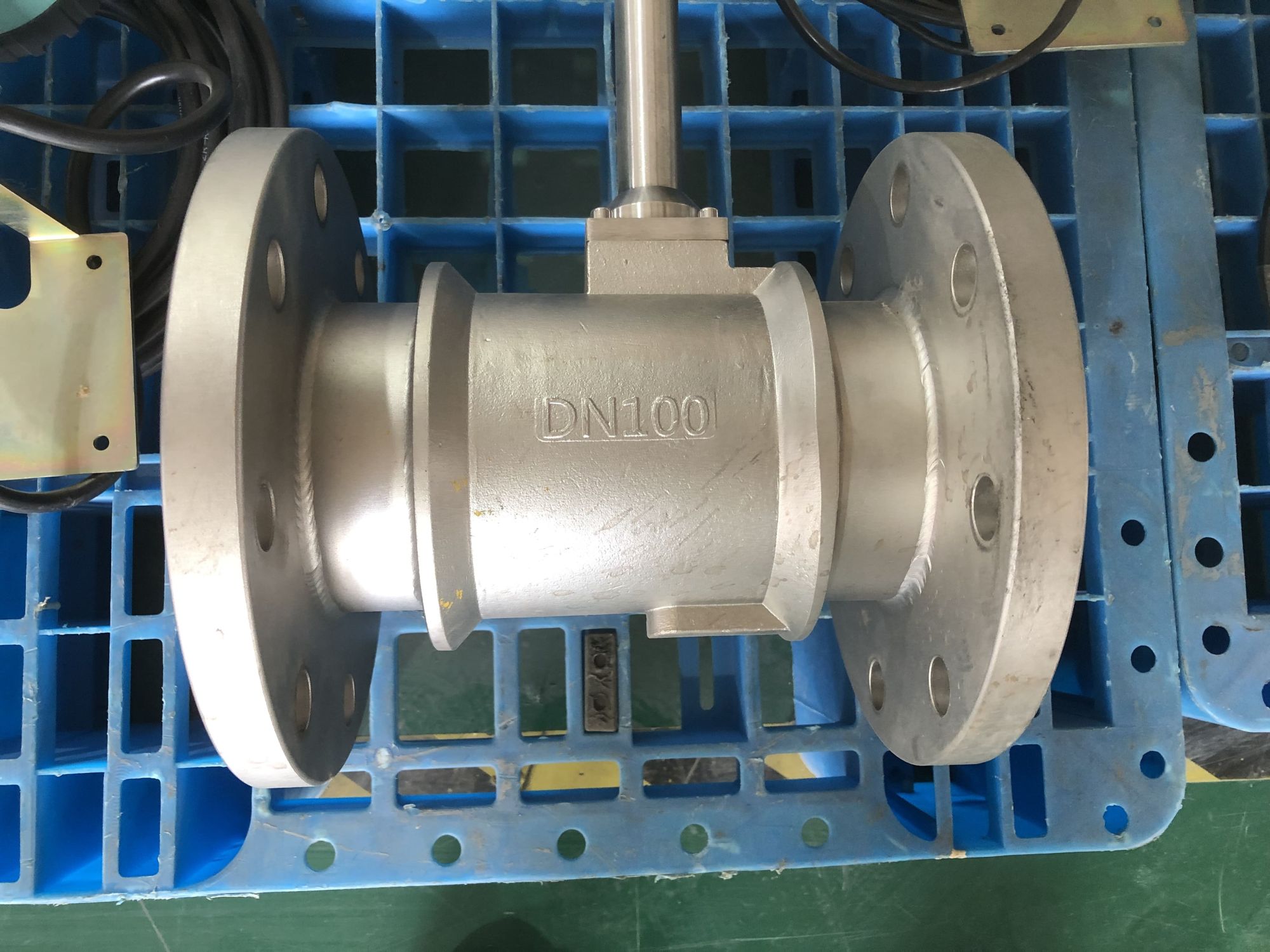
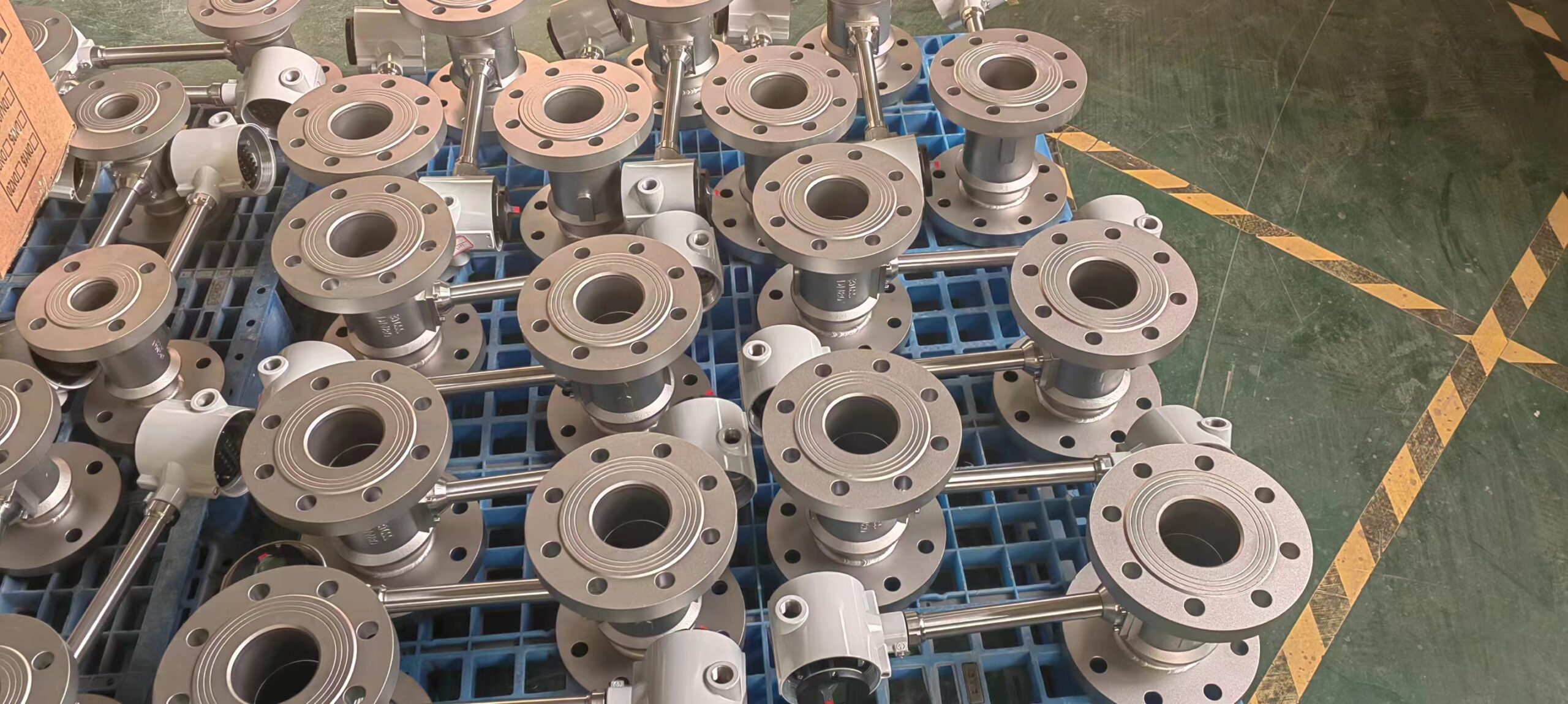
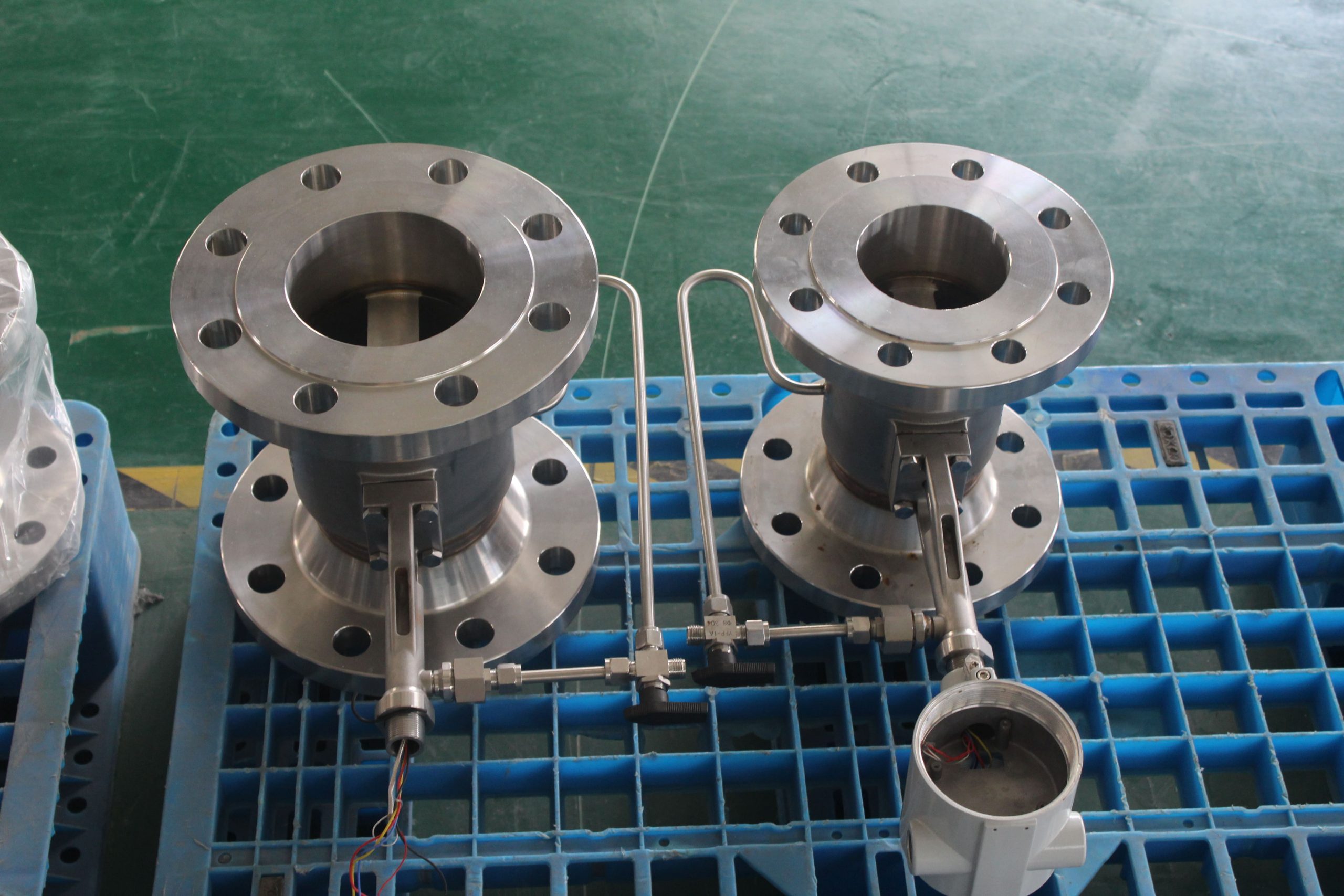
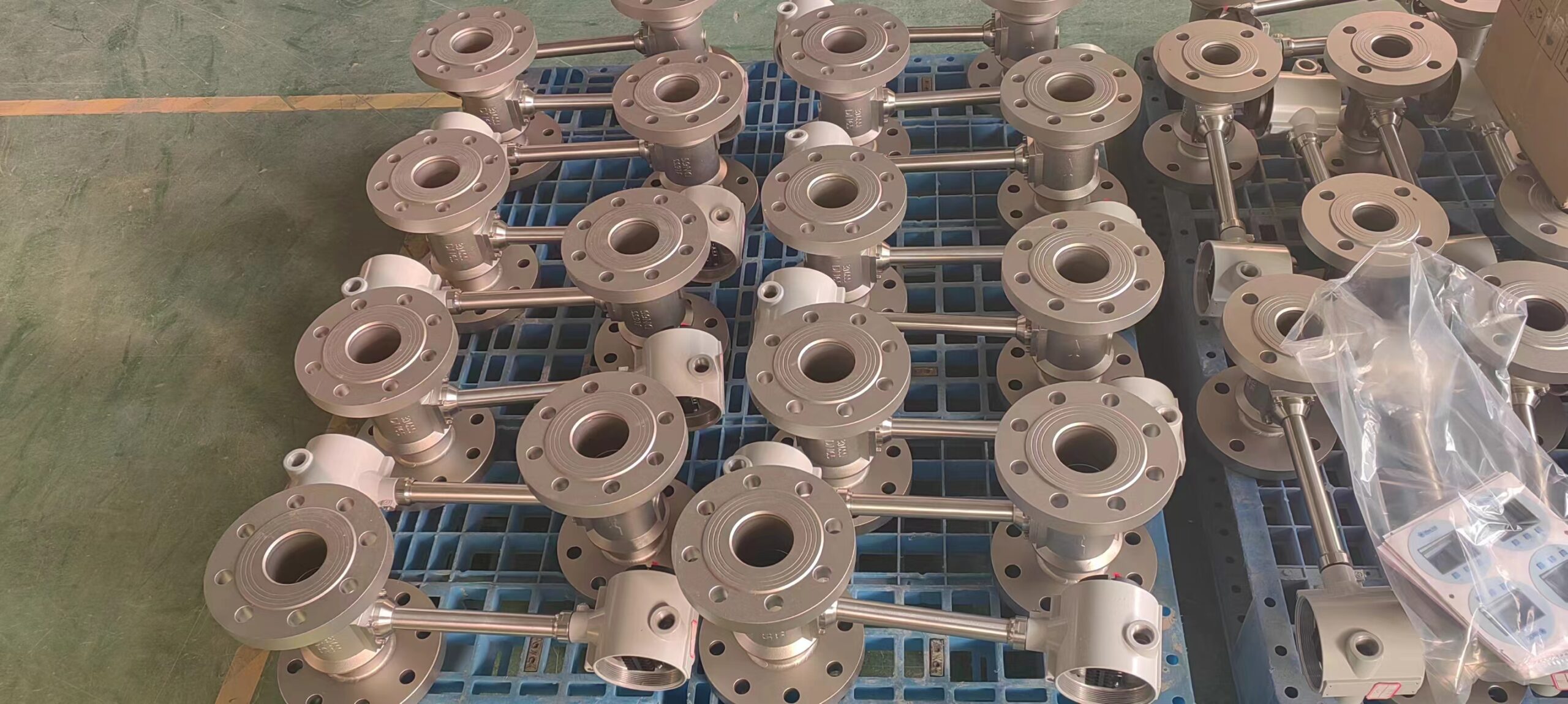
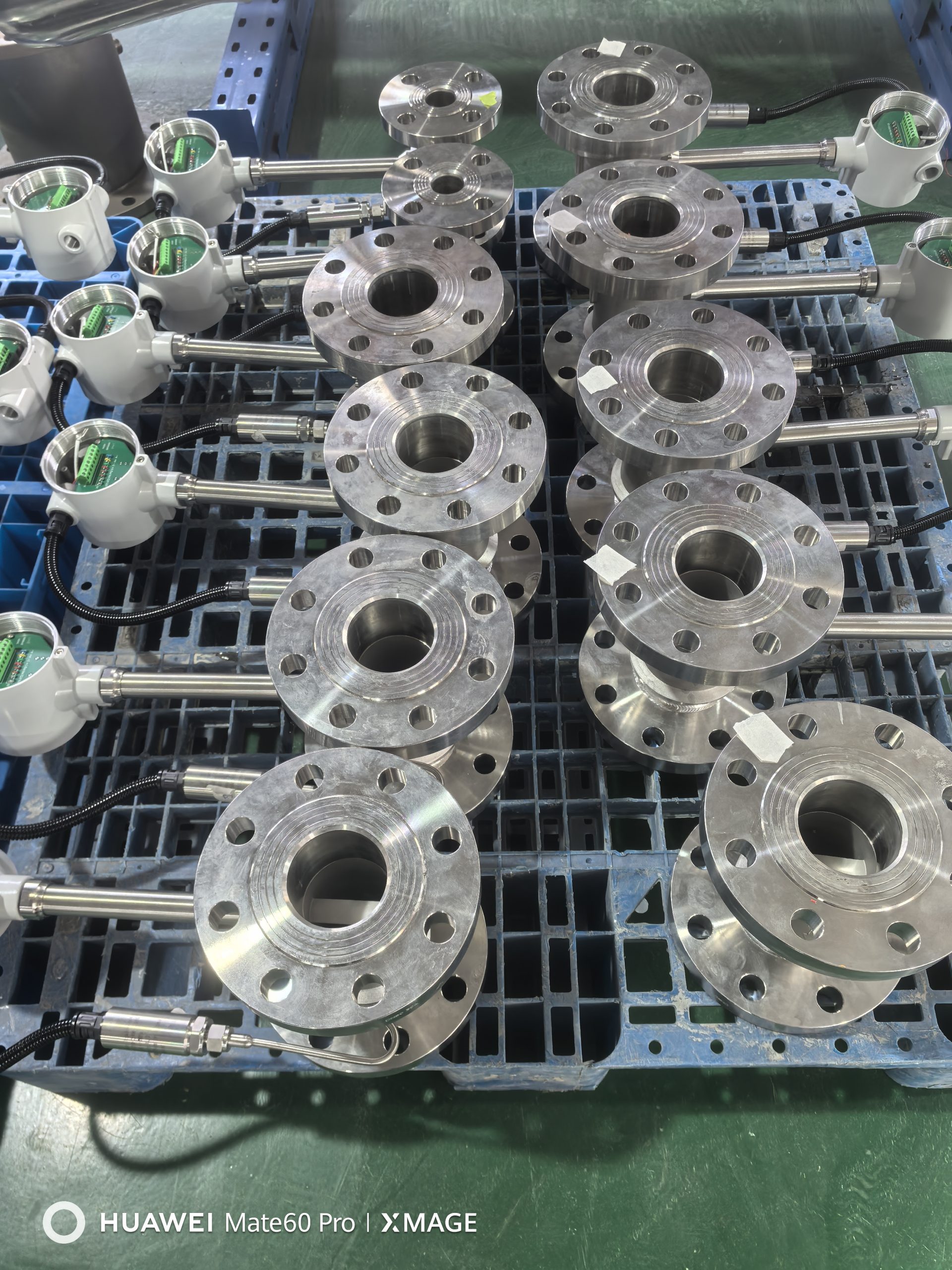
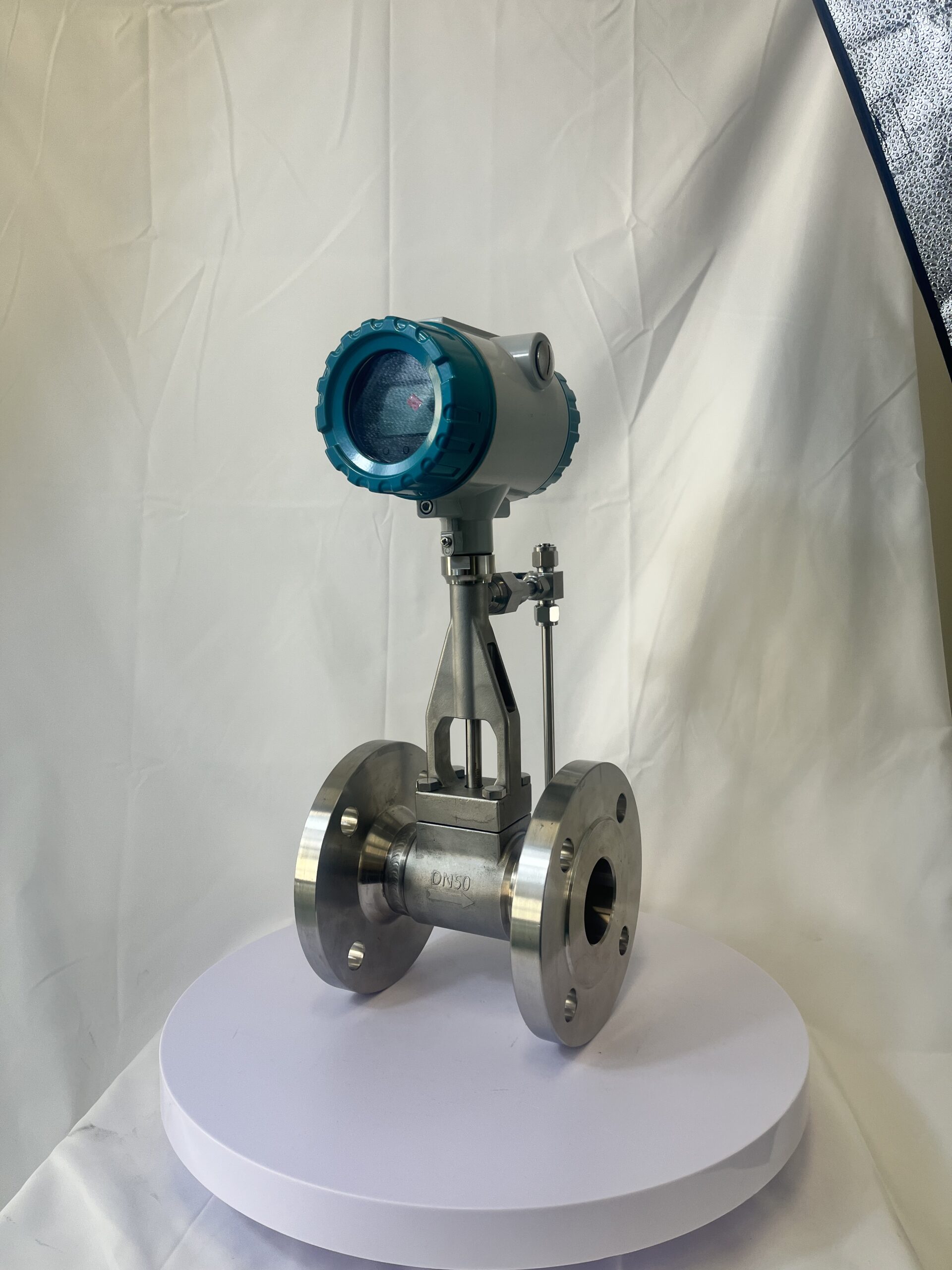
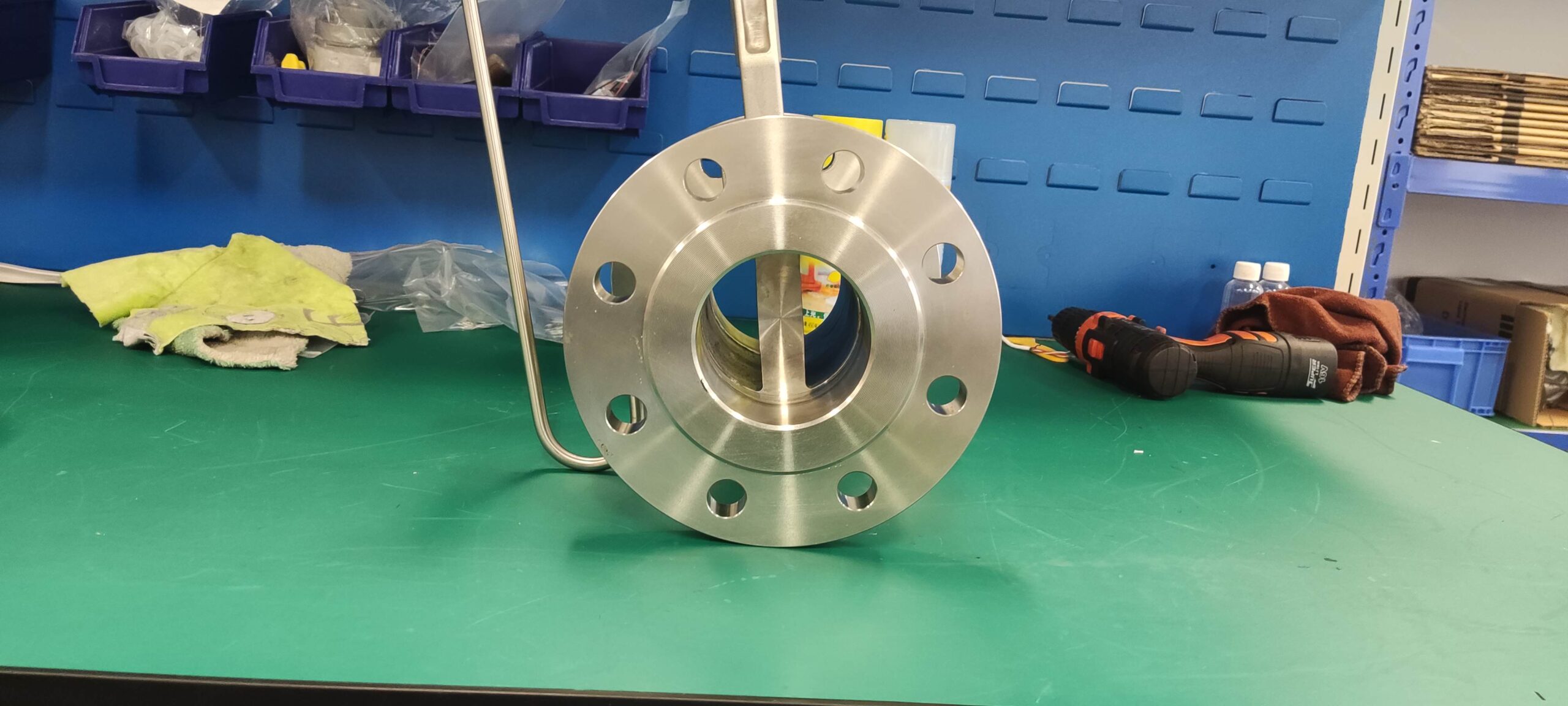
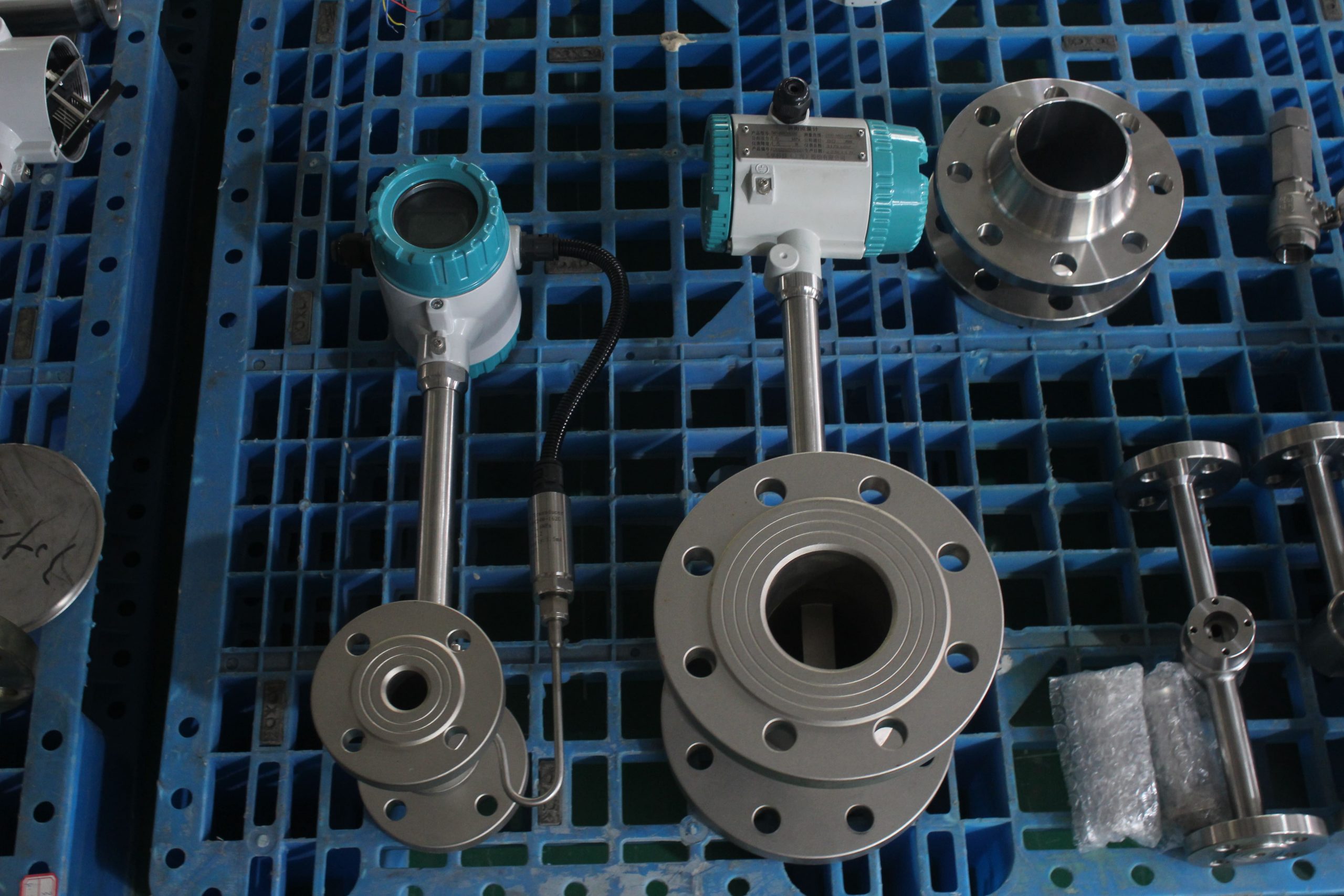
- Flange connection – versatile and widely used
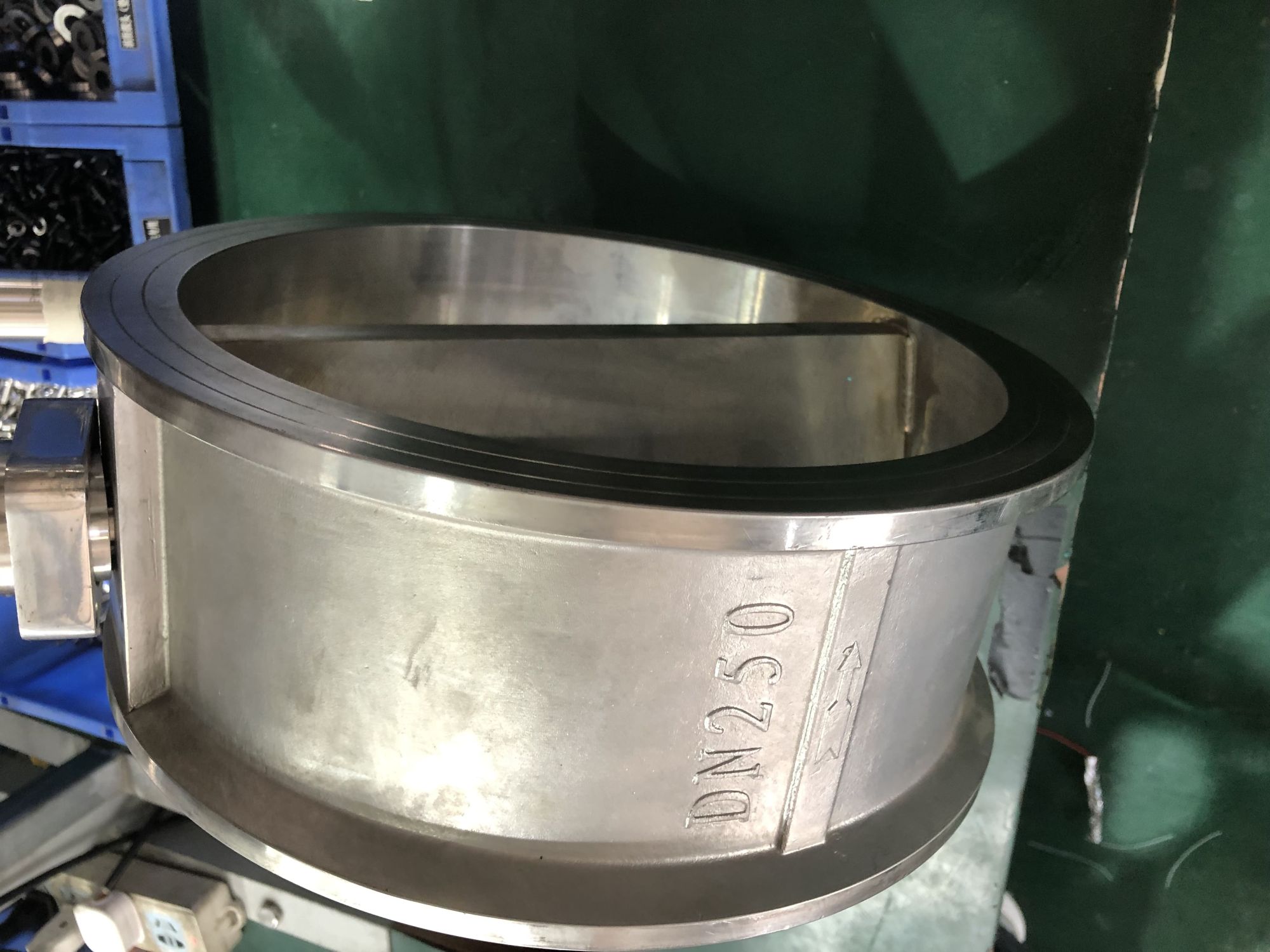
- Wafer (clamp) type – compact and cost-effective
- Welded type – ideal for high-pressure systems
Also verify flange standards:
- ANSI / DIN / GB / JIS
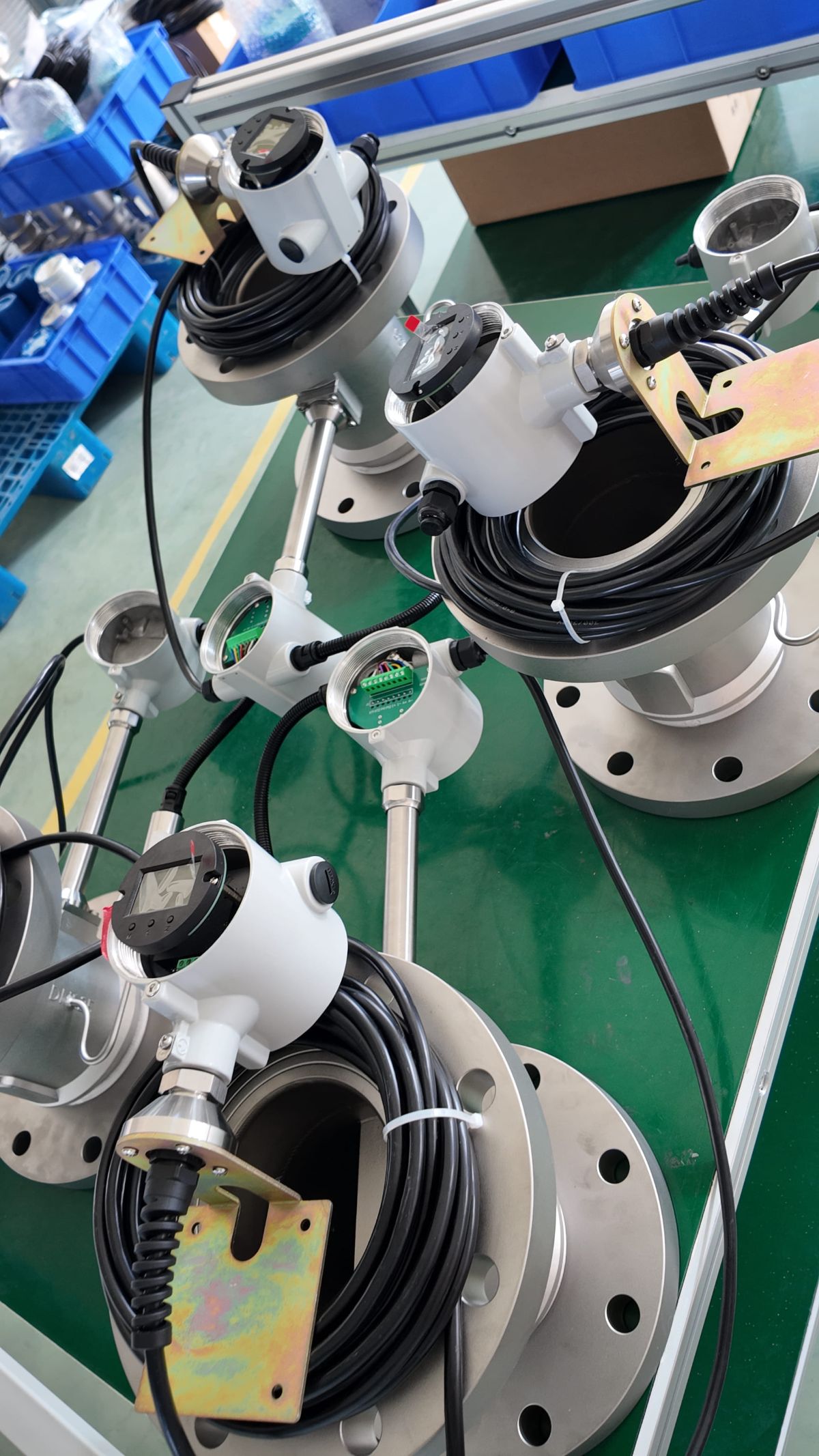
7. Match Output Signal Requirements
Modern industrial systems require flexible signal integration.
Common output options:
- 4–20 mA analog signal
- Pulse output (for totalization)
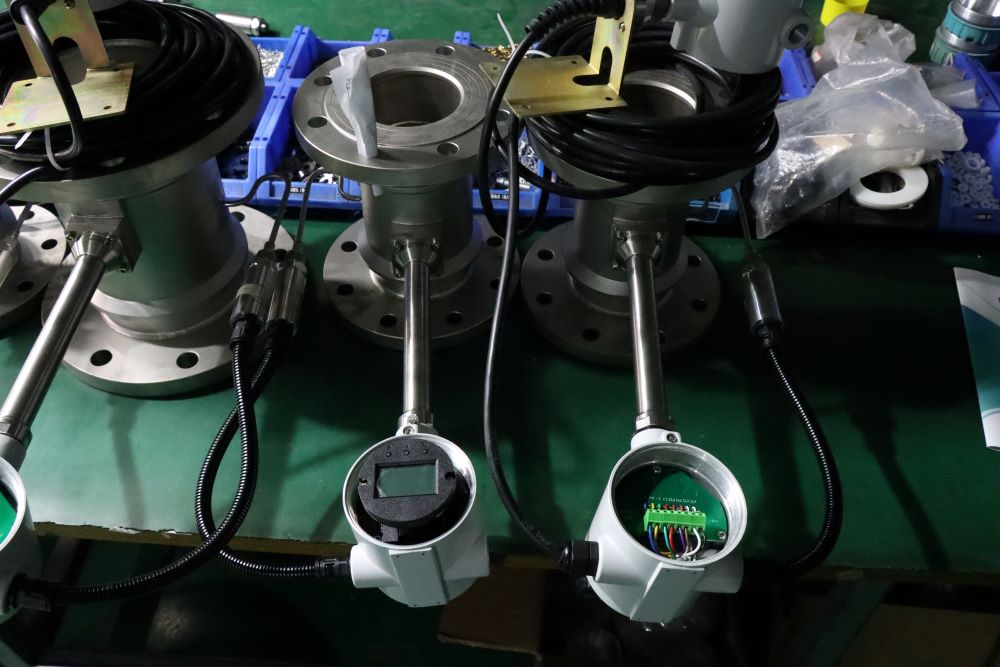
- RS485 / Modbus communication
Why it matters:
Choosing the right output avoids additional converters and simplifies system integration.
8. Consider Explosion-Proof and Protection Ratings
For hazardous environments such as oil & gas or chemical plants, safety is critical.
Explosion-proof options:
- Intrinsically safe (Ex ia)
- Flameproof (Ex d)
Protection levels:
- IP65 (dust-tight, water-resistant)
- IP67 (temporary immersion protection)
Conclusion: Precision Starts with Proper Selection
A vortex flowmeter is a powerful and reliable tool—but only when it is properly matched to the application. From fluid characteristics and flow range to vibration, installation conditions, and safety requirements, each factor plays a decisive role in measurement performance.
By systematically evaluating these 8 key points, engineers can avoid costly mistakes and ensure long-term stability, accuracy, and efficiency in their flow measurement systems.