High-Temperature Steam Vortex Flowmeter: Field Testing Methods & Common Pitfalls
Learn how to properly test vortex flowmeters in high-temperature steam applications. Discover 3-step field testing methods and avoid common installation and measurement errors.
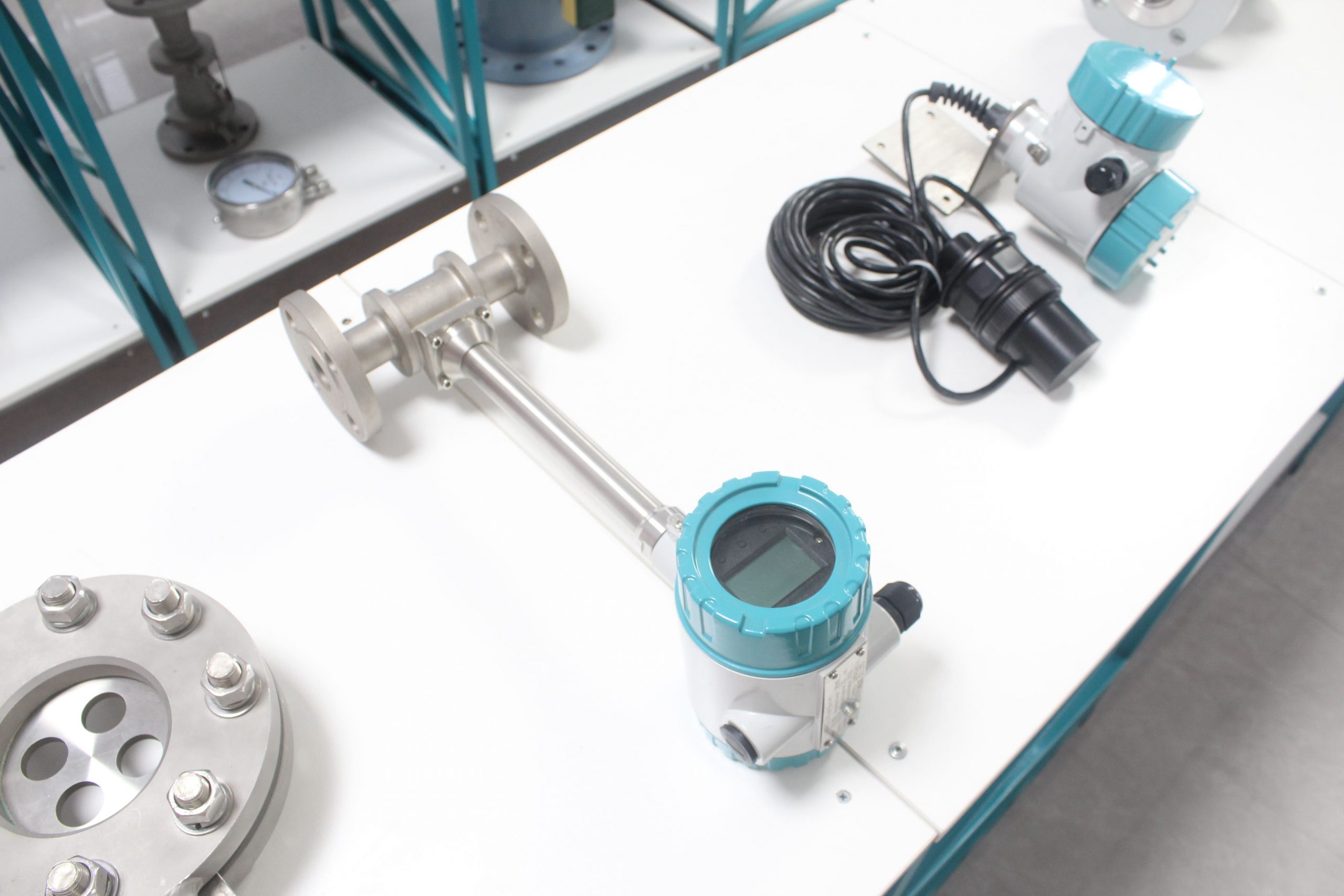
High-temperature steam measurement has always been a technically demanding task in industrial systems. Despite the reliability of vortex flowmeters—thanks to their no-moving-parts design, wide turndown ratio, and high-temperature resistance—field performance often depends on how well they are tested and configured.
This guide breaks down practical field testing methods and highlights critical mistakes to avoid, helping you achieve accurate and stable steam flow measurement.
Why Vortex Flowmeters Are Ideal for Steam Measurement
Vortex flowmeters are widely used in steam applications due to:
- No moving parts → low maintenance, long lifespan
- Stable performance in high temperatures
- Wide measurement range (turndown ratio up to 10:1 or higher)
- Direct compatibility with temperature and pressure compensation
However, even the best instrument can fail if field testing and setup are incorrect.
Field Testing Method: A 3-Step Approach
1. Installation Condition Verification
Before any testing, confirm that installation meets basic hydraulic requirements:
- Straight pipe length:
- Upstream ≥ 10D (10 × pipe diameter)
- Downstream ≥ 5D
- Avoid disturbance sources:
- Valves
- Elbows
- Reducers
Best practice:
- Use an ultrasonic thickness gauge to verify pipe wall thickness and internal diameter
- Ensure the sensor is installed in a fully developed flow region
2. Signal & Operating Condition Validation
Accurate measurement depends on signal integrity:
- Use a handheld communicator or oscilloscope to check:
- Signal waveform stability
- Frequency consistency
- Absence of electrical noise
- Verify temperature and pressure transmitters:
- Ensure proper integration with the flowmeter
- Confirm steam compensation (mass flow calculation) is enabled
⚠️ Without compensation, steam measurement can be significantly inaccurate.
3. Online Comparison & Validation
To ensure measurement credibility:
- Compare with:
- Upstream/downstream flowmeters
- Totalized steam consumption data
- For liquid systems, portable ultrasonic flowmeters can be used (less applicable for steam but useful in system validation)
Goal:
Confirm the deviation is within acceptable engineering tolerance (typically ±1%–±3%).
Common Mistakes in Steam Flow Measurement
Mistake 1: Ignoring High-Temperature Impact on Sensors
In high-temperature steam environments:
- Piezoelectric sensors operate near thermal limits
- Long-term exposure can cause:
- Sensitivity drift
- Signal degradation
- Permanent damage
What to check:
- Sensor wiring insulation condition
- Heat dissipation components (heat sinks, extension necks)
- Proper selection of high-temperature-rated sensors
Mistake 2: Incorrect Low Flow Cut-Off Settings
Many engineers increase the low flow cut-off threshold to reduce noise—but this can backfire:
- Low steam flow may not be recorded
- Leads to unaccounted energy loss
- Affects billing and energy audits
Recommendation:
- Recalibrate cut-off values based on actual process conditions
- Ensure small but valid flows are still measured
Mistake 3: Installing Without Adequate Straight Pipe Runs
Due to space constraints, improper installations are common:
- Insufficient straight pipe → distorted vortex shedding
- Results in unstable or biased readings
Solutions:
- Install a flow conditioner (rectifier)
- Relocate the flowmeter if possible
Best Practices for Reliable Steam Measurement
- Always validate installation geometry before commissioning
- Ensure signal quality and compensation systems are active
- Periodically review sensor health under high temperature
- Avoid aggressive parameter tuning without understanding process dynamics
Conclusion
Accurate steam measurement is not just about selecting the right vortex flowmeter—it’s about executing proper field testing and avoiding critical setup mistakes.
By following a structured testing approach and addressing common pitfalls such as sensor overheating, improper cut-off settings, and poor installation conditions, you can significantly improve measurement reliability and system efficiency.