Vortex Flowmeter in High-Temperature Steam: A Field Testing “Survival Guide”
Vortex flowmeters are reliable workhorses for steam measurement—but in high-temperature (>300°C) conditions, poor testing practices can destroy accuracy, damage equipment, and even create safety hazards. This guide breaks down the critical do’s and don’ts to help you get stable data and protect both instruments and personnel.
Vortex flowmeters are reliable workhorses for steam measurement—but in high-temperature (>300°C) conditions, poor testing practices can destroy accuracy, damage equipment, and even create safety hazards. This guide breaks down the critical do’s and don’ts to help you get stable data and protect both instruments and personnel.
Why High-Temperature Steam Testing Goes Wrong
In theory, vortex flowmeters are ideal for steam: no moving parts, strong durability, and wide turndown ratio.
In reality, field failures are common due to:
- Improper thermal management
- Insufficient straight pipe runs
- Incorrect steam property assumptions
- Signal interference from vibration
Bottom line: Most failures are not instrument defects—they’re testing and installation errors.
1. Pre-Test Checklist: Safety Comes First
Before touching anything, treat high-temperature steam systems as high-risk environments.
Essential Safety Actions
- Confirm pressure and temperature are within safe handling limits
- Wear heat-resistant gloves and face protection
- Ensure steam isolation if required
Critical Thermal Management Rule
One of the most overlooked issues is insulation misuse:
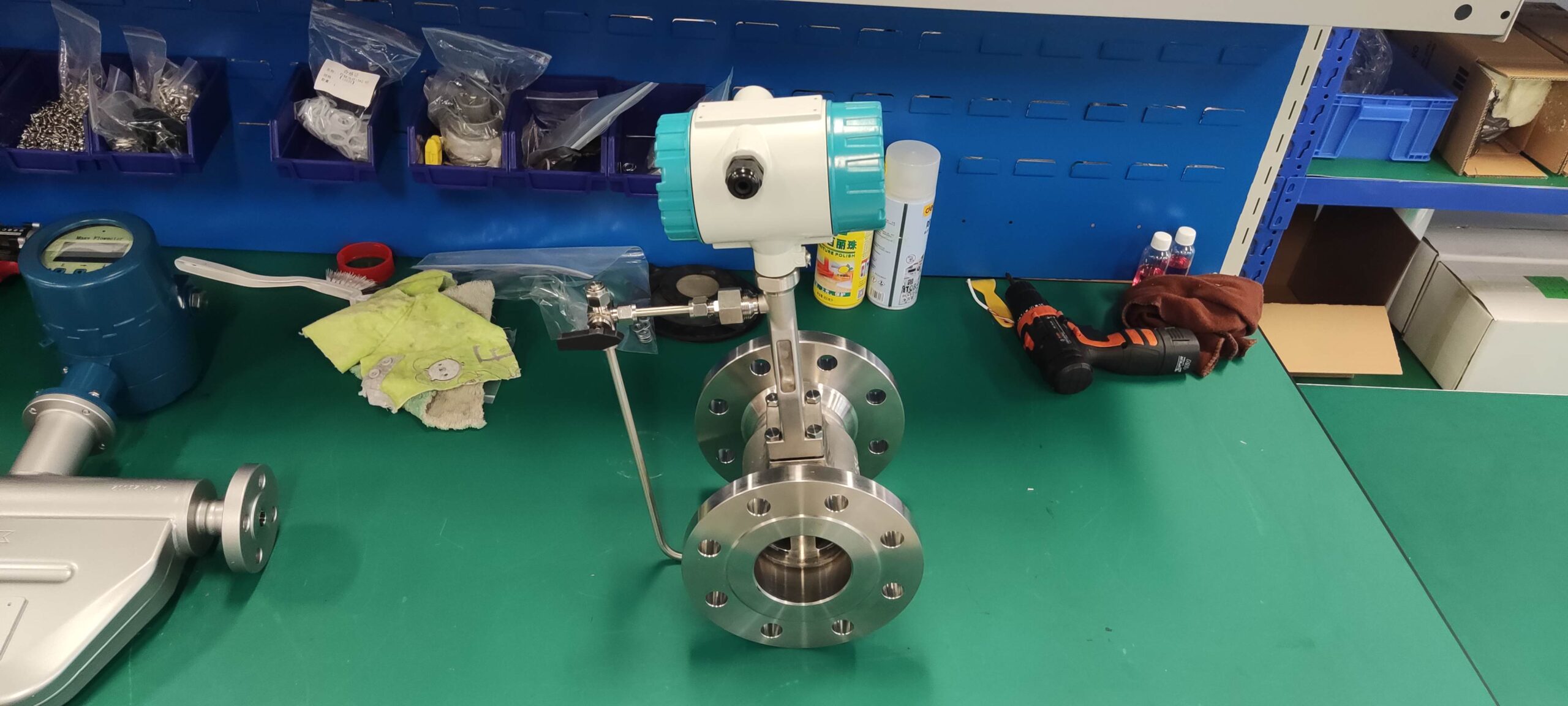
- ✅ Pipe: Must be insulated
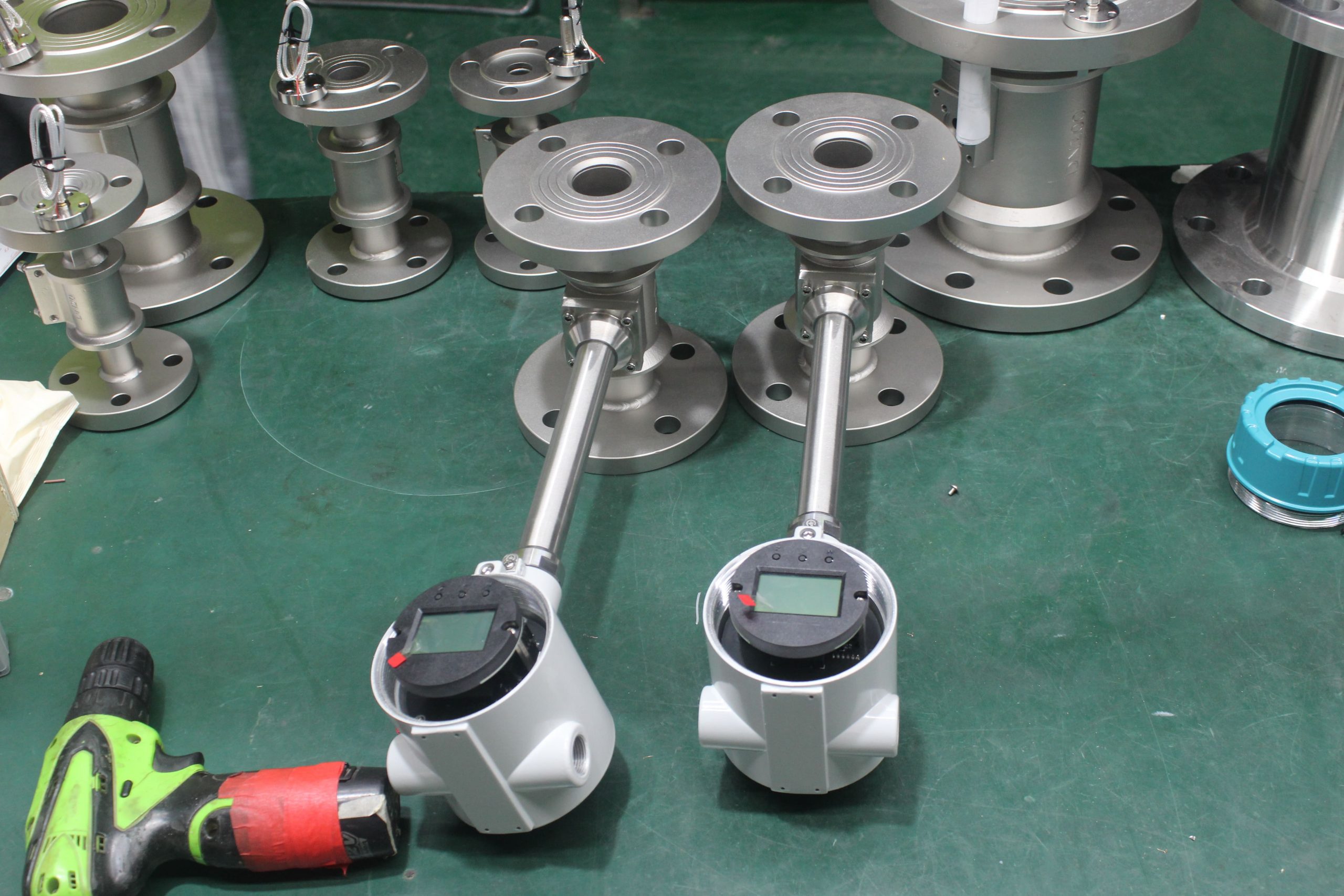
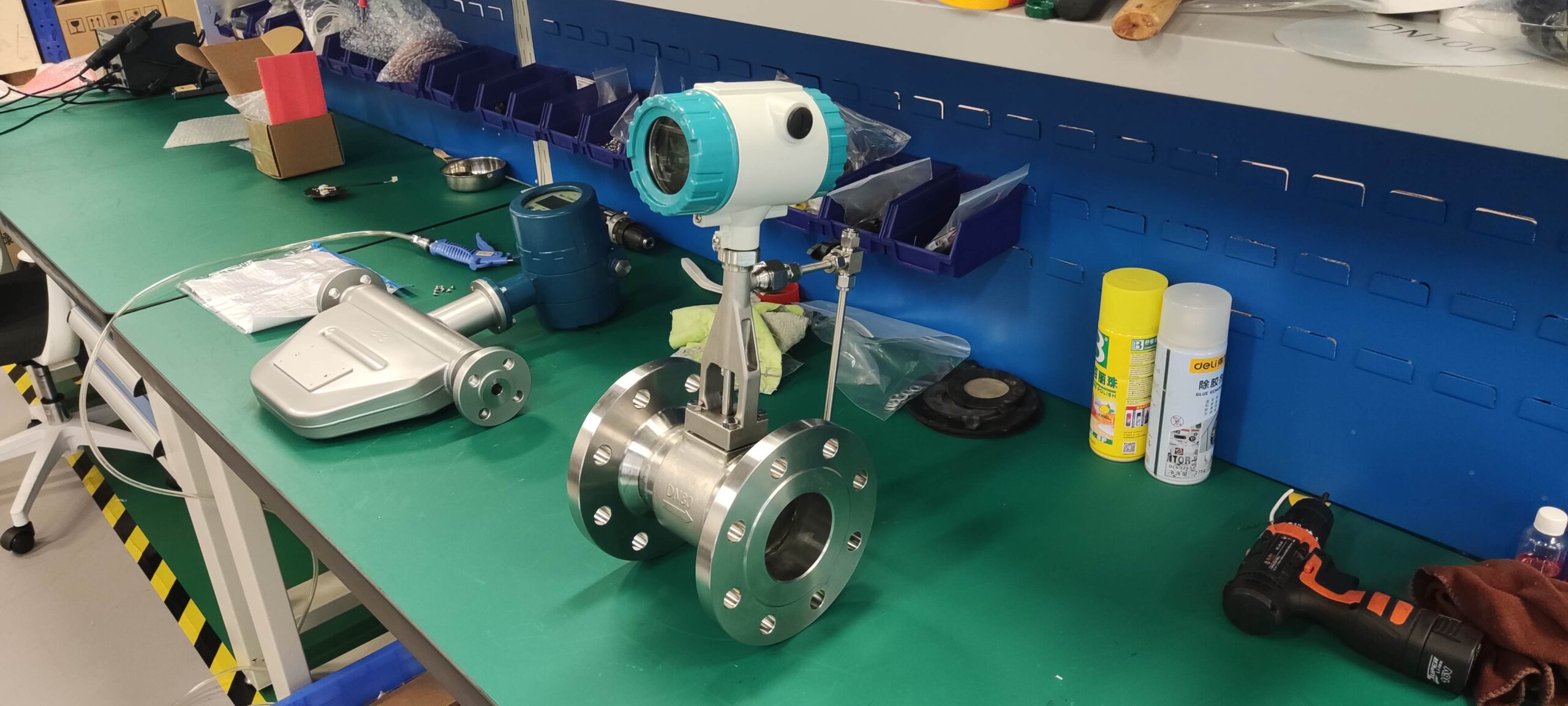
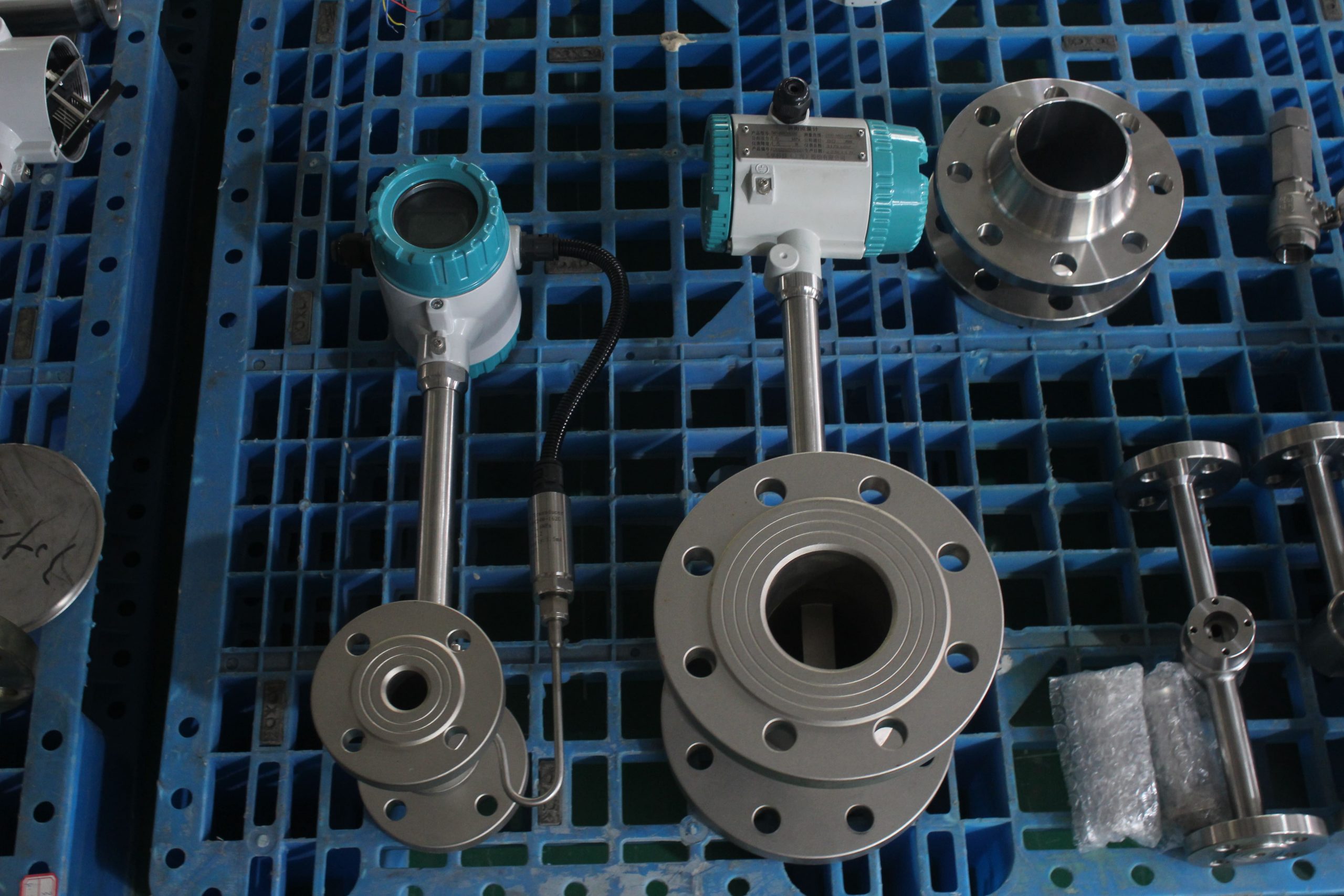
- ⚠️ Sensor probe (connection rod): At least 50% exposed for heat dissipation
- ❌ Transmitter (electronics): NEVER insulated
Why this matters:
Over-insulating the transmitter traps heat, causing electronics failure and signal drift.
2. Installation Validation: Straight Pipe = Stable Signal
Flow profile stability is everything for vortex measurement.
Minimum Straight Run Requirements
- Upstream: 15D–20D
- Downstream: ≥5D
(D = pipe diameter)
When to Increase Requirements
Extend upstream straight length to 30D–40D if:
- There are control valves upstream
- The pipeline has multiple bends or disturbances
Field Insight
If you observe:
- Random signal fluctuation
- No repeatability
👉 Don’t blame the meter first—check installation geometry.
3. Parameter Testing: Avoid Steam Property Misjudgment
This is where most measurement errors originate.
Understand Your Steam Type
- Saturated steam
- Superheated steam
- Wet steam (two-phase flow) ← most dangerous for accuracy
Common Field Mistake
Assuming steam is saturated when it has actually:
- Lost heat due to poor insulation
- Transitioned into wet steam
Compensation Rules
- Superheated steam:
→ Requires temperature + pressure compensation - Saturated steam:
→ At least one-variable compensation (pressure or temperature)
Installation Notes
- RTD (temperature sensor) must be correctly positioned
- Pressure tapping point must:
- Be properly located
- NOT protrude into the pipe
4. Signal Testing: Look at Waveforms, Not Just Numbers
Many technicians rely only on multimeter readings. That’s not enough.
Proper Signal Diagnosis
Use an oscilloscope to check:
- Pulse waveform clarity
- Noise interference
What to Watch For
- Clean, periodic pulses → ✅ Normal
- Irregular/noisy signals → ⚠️ Possible vibration interference
Solutions
- Install anti-vibration mounts
- Add mechanical damping support
- Check pipeline stability
5. Common Failure Scenarios (Quick Reference)
| Symptom | Likely Cause | Fix |
|---|---|---|
| Signal fluctuation | Insufficient straight pipe | Relocate or extend pipe run |
| No output signal | Overheated electronics | Remove insulation, improve cooling |
| Low measurement reading | Wrong steam model | Reconfigure compensation |
| Noisy waveform | Pipe vibration | Add vibration isolation |
Final Thoughts: Accuracy = Safety + Installation + Physics
Conclusion:
High-temperature steam measurement is not just about choosing the right vortex flowmeter—it’s about respecting the physics and field conditions.
If you:
- Control heat exposure
- Ensure proper installation
- Apply correct steam compensation
- Validate signal integrity
👉 Your vortex flowmeter will deliver stable, accurate, and long-term performance.