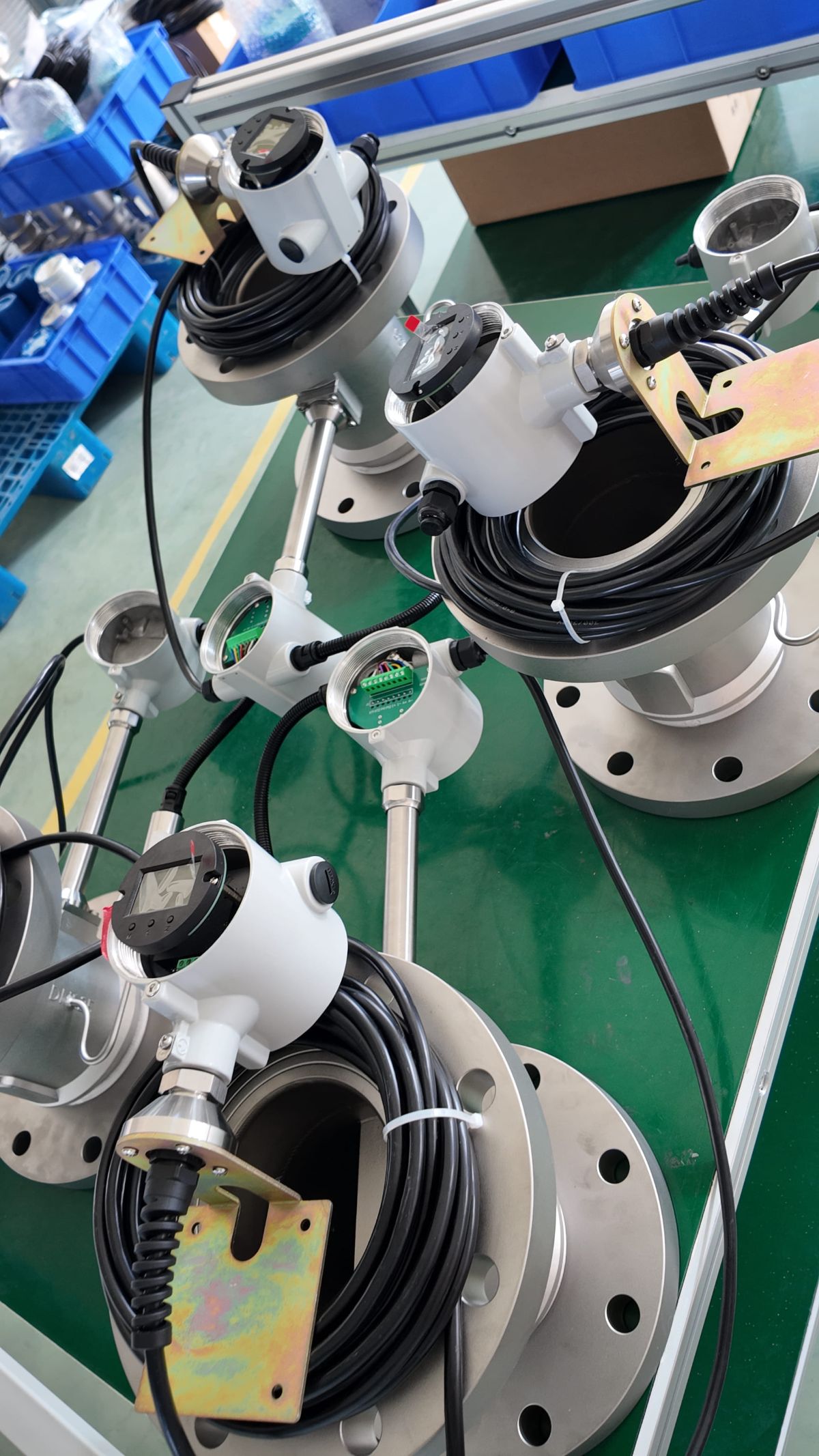
Gas Measurement Selection Guide: Is a Precession Vortex Flow Meter Right for Your Application?
Choosing the wrong flow meter for gas measurement can lead to inaccurate data, unstable process control, and long-term operational losses. In industries such as natural gas distribution, compressed air systems, and industrial gas monitoring, selecting the appropriate instrument is critical.
Choosing the wrong flow meter for gas measurement can lead to inaccurate data, unstable process control, and long-term operational losses. In industries such as natural gas distribution, compressed air systems, and industrial gas monitoring, selecting the appropriate instrument is critical.
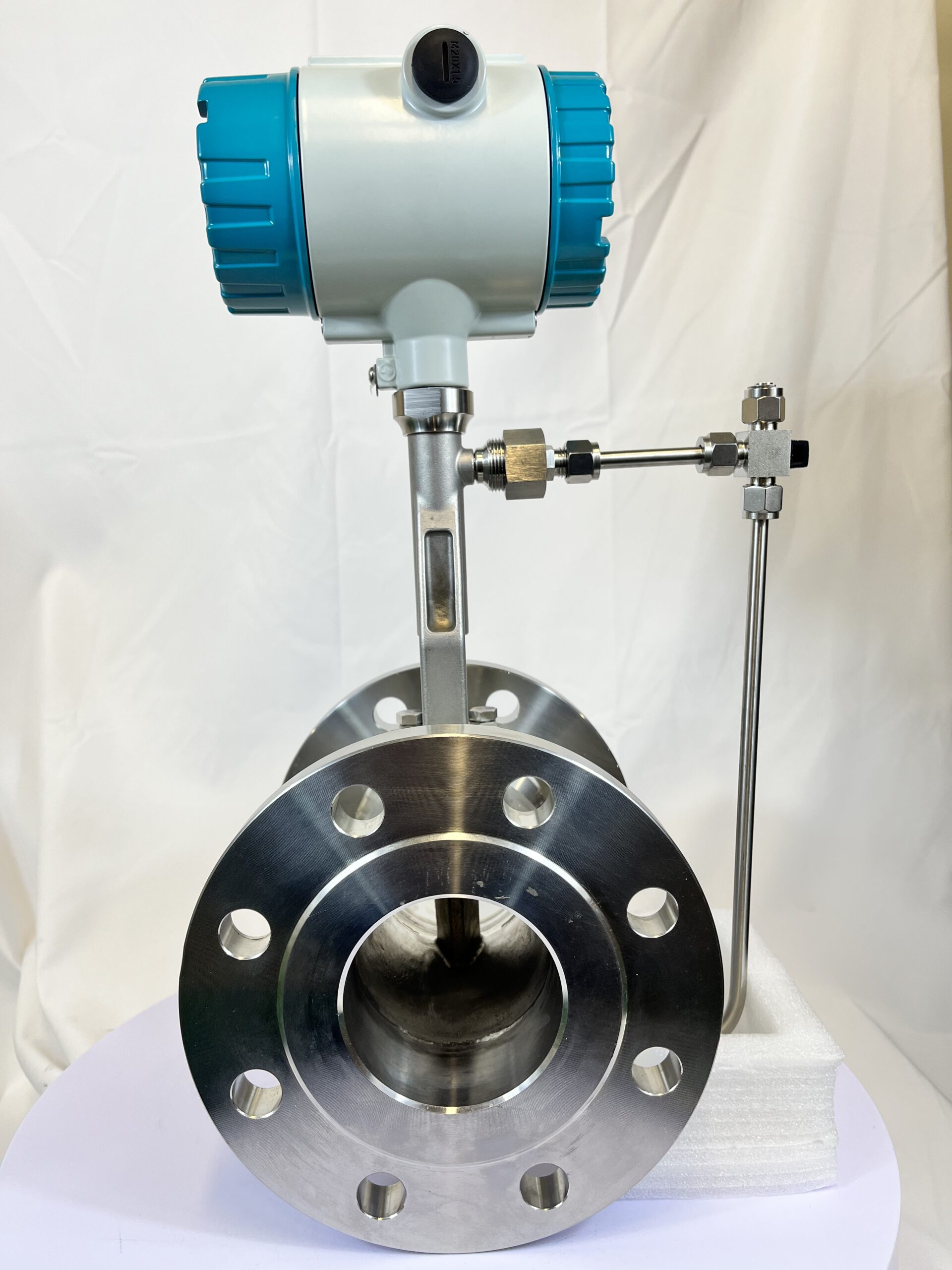
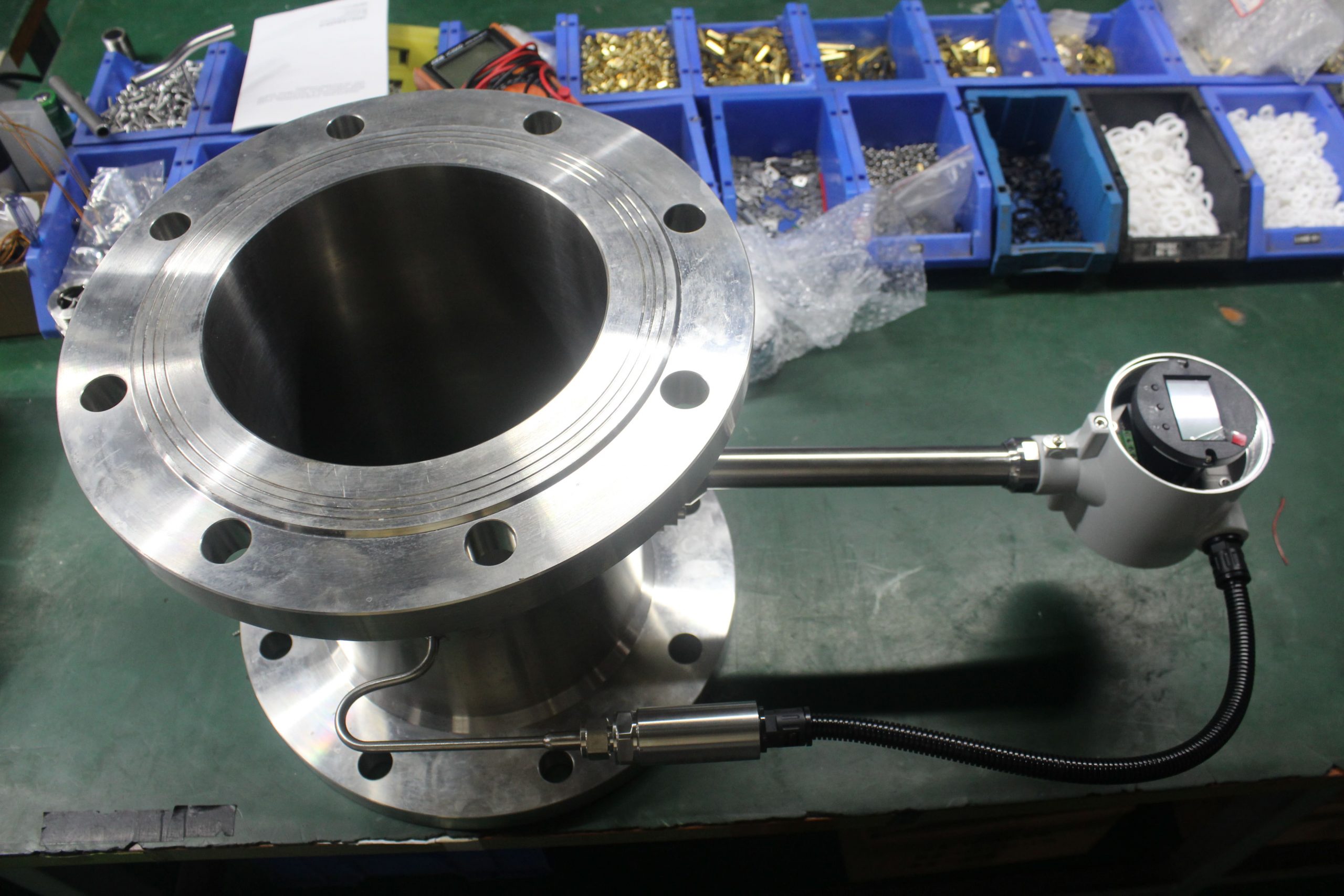
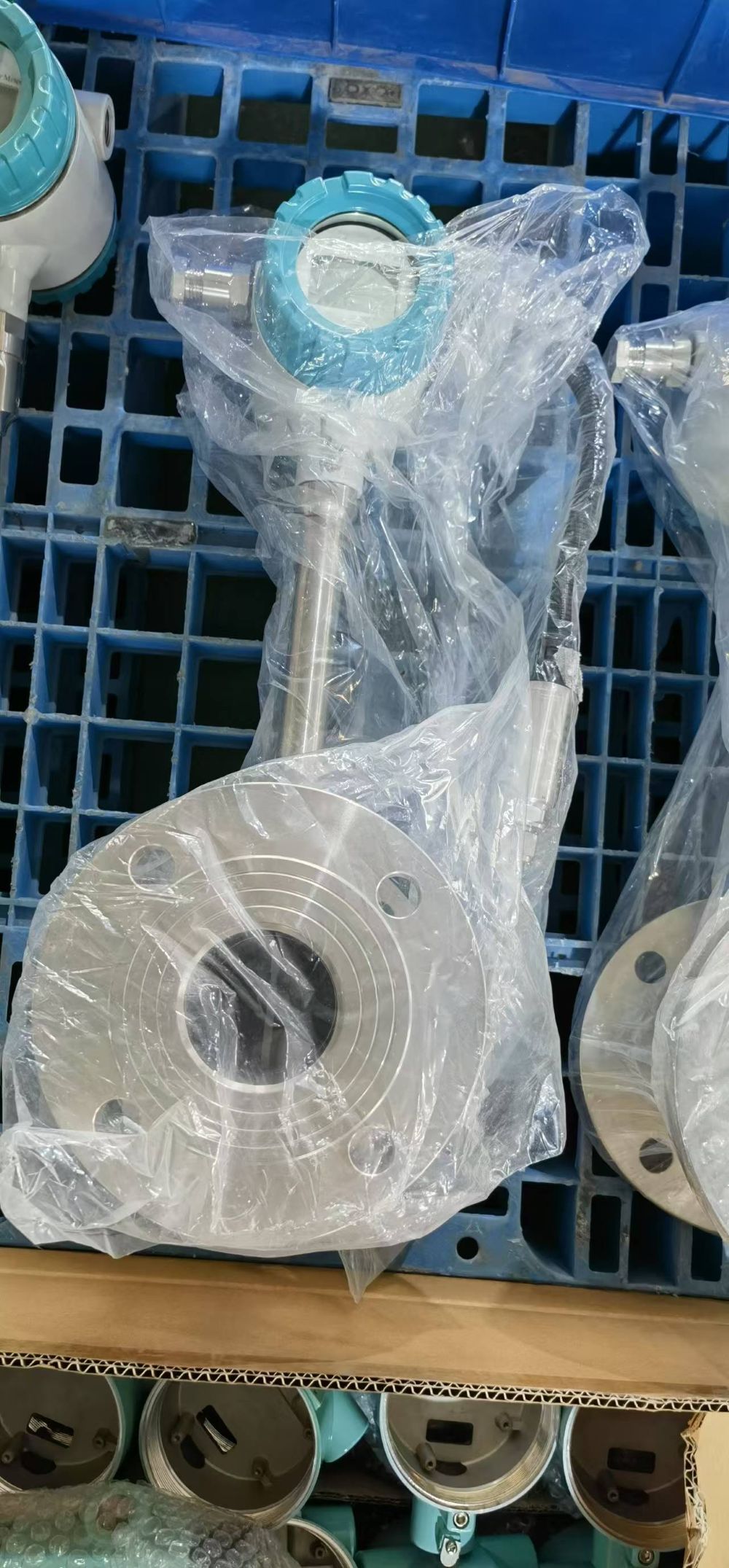
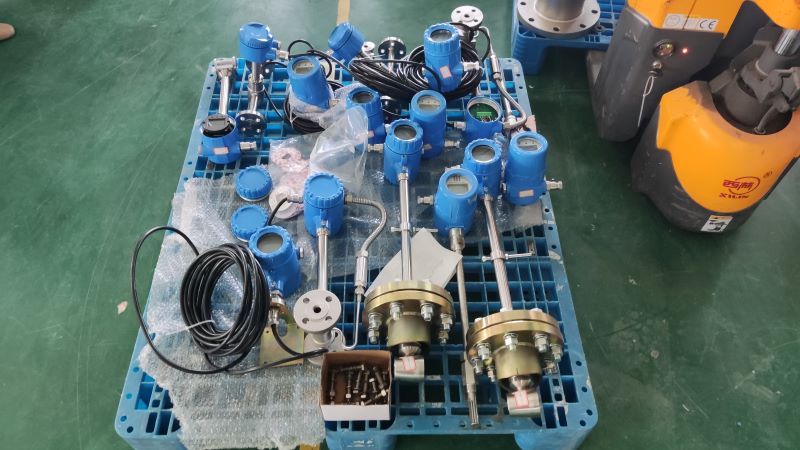
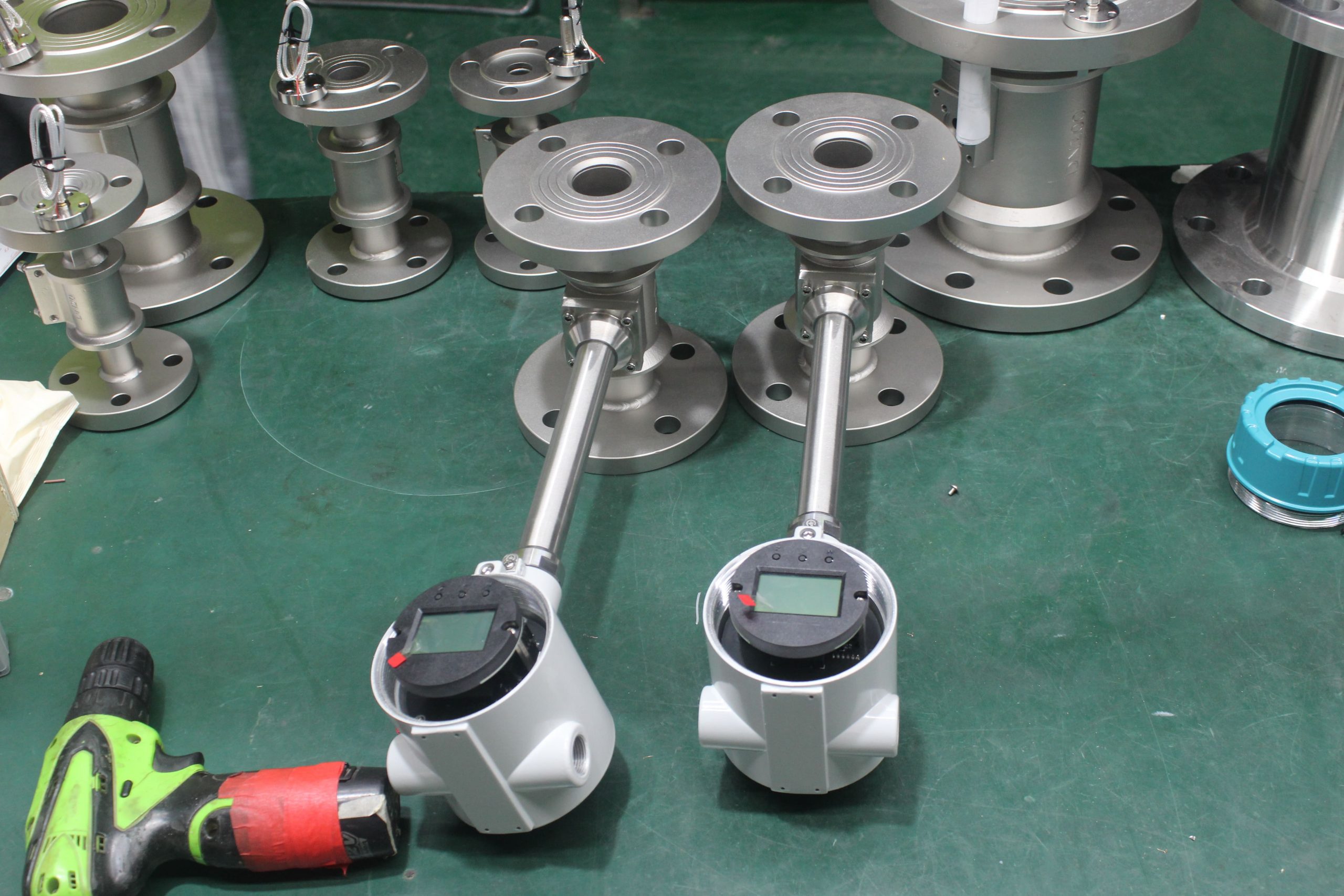
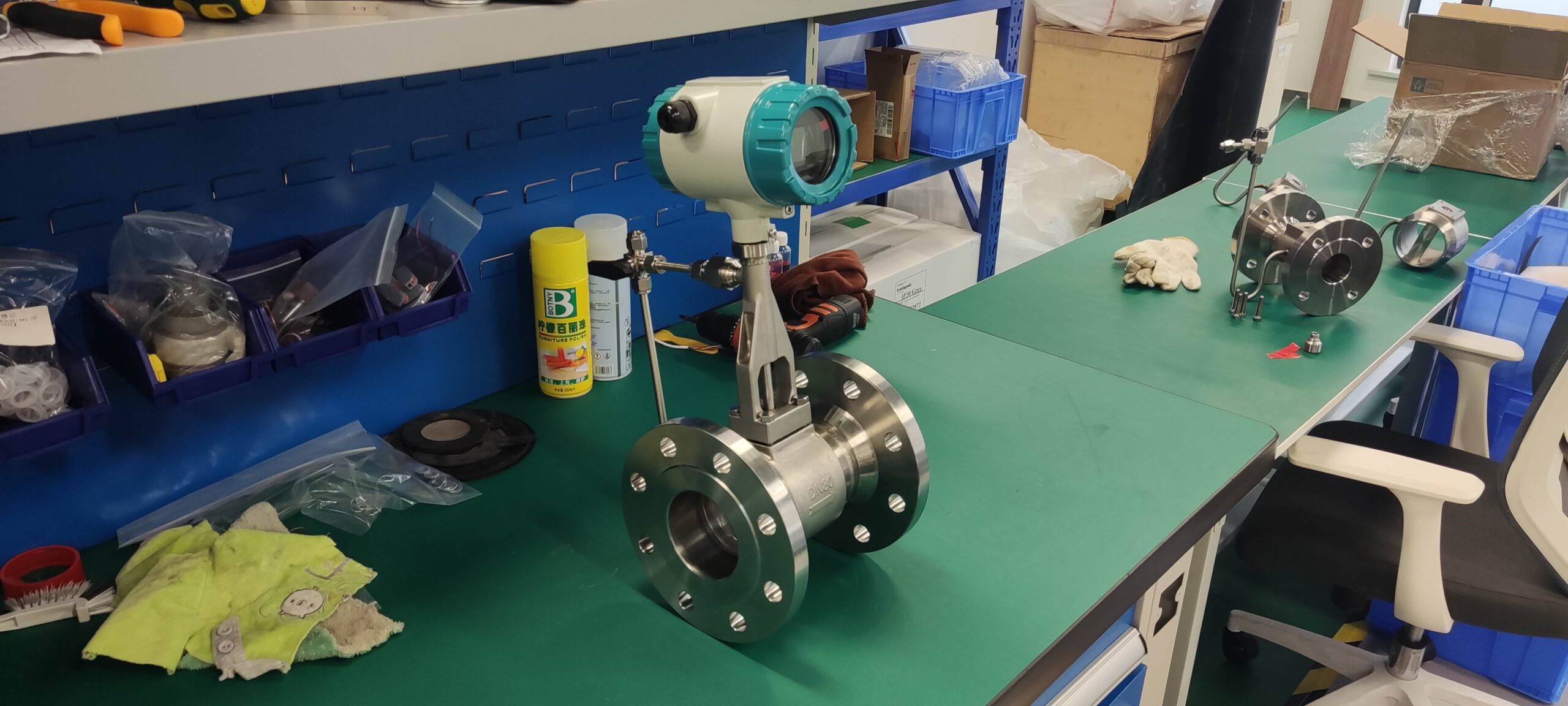
Among various technologies, the precession vortex flow meter has become a popular option because of its wide turndown ratio, integrated temperature and pressure compensation, and strong adaptability to gas measurement.
However, it is not suitable for every operating condition. Before selecting one, it is essential to understand several key considerations to avoid common selection mistakes.
1. Verify Gas Purity: Is the Medium Truly Single-Phase?
A precession vortex flow meter operates based on the vortex precession effect, which requires a stable single-phase gas flow to generate reliable signals.
Suitable media
-
Natural gas
-
Compressed air
-
Nitrogen, oxygen, and other industrial gases
-
Clean fuel gases
Media that may cause problems
-
Gas containing liquid droplets
-
Gas mixed with dust or solid particles
-
High-humidity or wet gas
When impurities are present, the vortex structure inside the sensor may become unstable, leading to signal distortion and measurement errors.
Important note:
Precession vortex flow meters cannot be used for steam or liquid measurement.
If the gas contains moisture or contaminants, installing filters, gas separators, or dryers before the meter is recommended.
2. Match Pipe Size and Flow Range
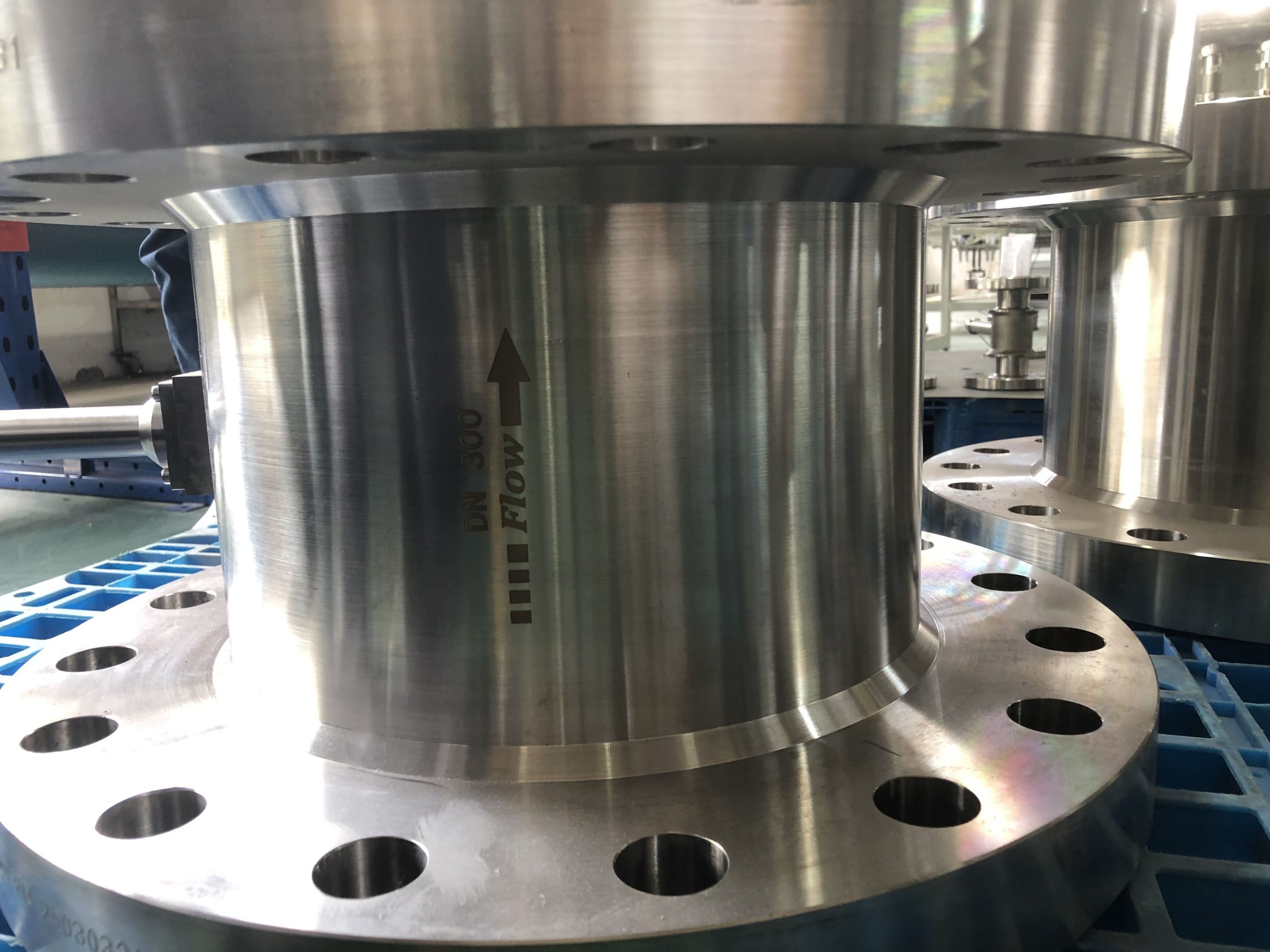
Precession vortex flow meters are typically designed for medium and small pipe diameters, commonly ranging from:
-
DN15 to DN300
However, pipe diameter alone is not enough when selecting a meter. The flow range must also be carefully evaluated.
Key parameters to confirm
-
Minimum flow rate
-
Maximum flow rate
-
Normal operating flow rate
Common selection mistakes
Flow rate too low
If the operating flow stays below the meter’s lower limit for long periods, the generated vortex signal becomes weak and unstable, reducing measurement accuracy.
Flow rate too high
At very high velocities, pressure loss increases and may affect system efficiency.
Typical pressure loss of a precession vortex flow meter is approximately:
0.05 – 0.2 bar
While acceptable for most systems, this pressure drop should be considered in energy-sensitive applications such as compressed air networks.
3. Installation Environment Matters
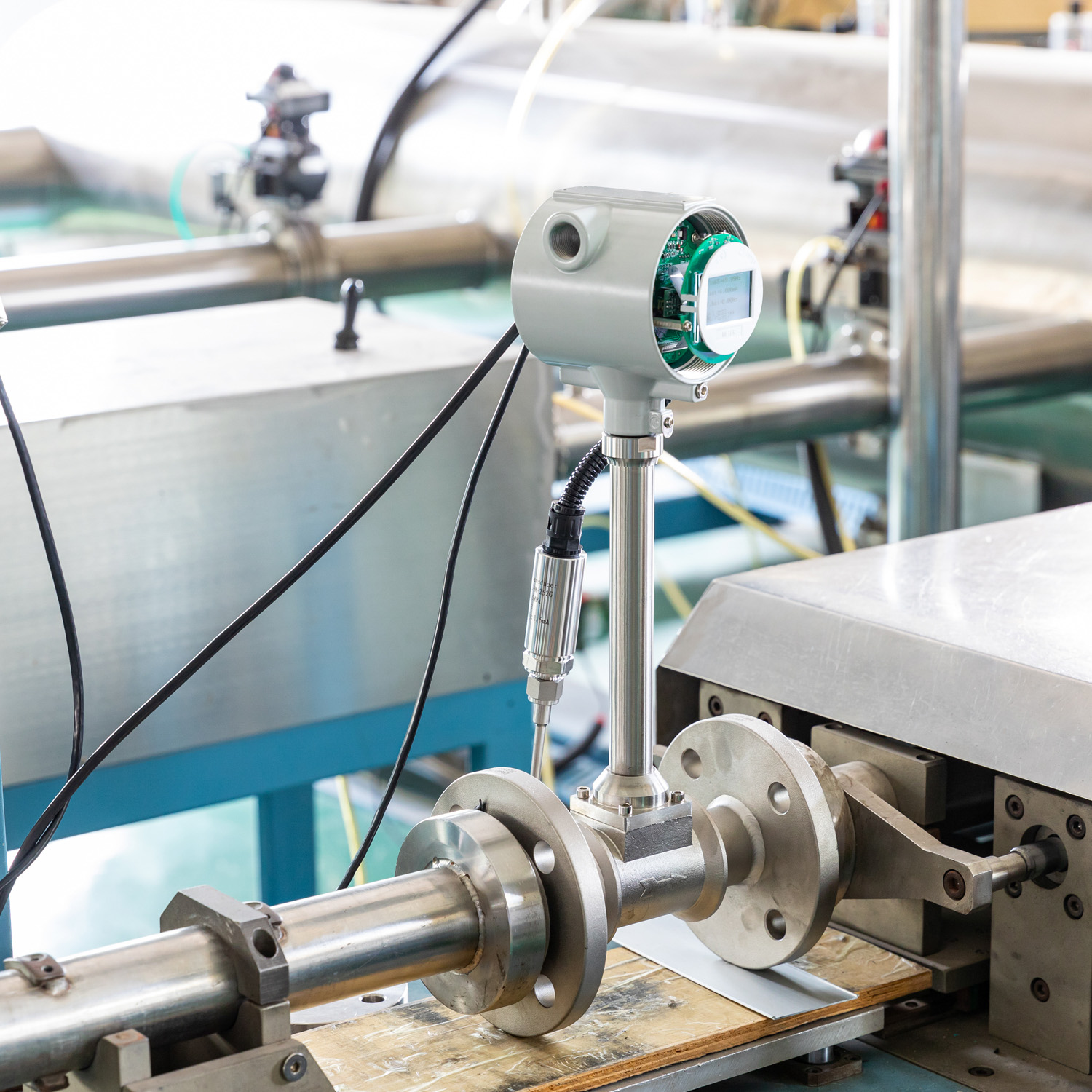
Although precession vortex flow meters require relatively short straight pipe runs compared with some other technologies, installation conditions still play a major role in measurement stability.
Typical straight pipe requirements
-
Upstream: 5D
-
Downstream: 2D
(D = pipe diameter)
Avoid strong vibration
Mechanical vibration is one of the most common causes of unstable readings. The meter should be installed away from equipment such as:
-
Air compressors
-
Large pumps
-
Heavy rotating machinery
Ensure proper grounding
Good grounding helps prevent electromagnetic interference, which can affect signal transmission and data accuracy.
When Is a Precession Vortex Flow Meter the Right Choice?
This technology performs particularly well under the following conditions:
-
Clean or relatively dry gas
-
Medium or small pipe sizes
-
Moderate flow rates
-
Applications requiring wide turndown ratio
-
Systems where integrated temperature and pressure compensation is beneficial
Typical applications include:
-
Natural gas measurement
-
Compressed air monitoring
-
Industrial gas flow control
-
Energy management systems
Conclusion
Selecting the right gas flow meter requires more than simply choosing a popular technology. While precession vortex flow meters offer excellent performance, high integration, and cost efficiency, they work best when the gas is clean, the flow range is properly matched, and the installation environment is stable.
By carefully verifying gas purity, flow conditions, and installation requirements, engineers can avoid common selection pitfalls and ensure reliable long-term measurement performance.
If your application involves complex conditions such as wet gas, heavy vibration, or extremely low flow rates, it may be worth comparing other technologies before making a final decision.