Steam Flow Measurement Troubleshooting: Why Vortex Flow Meters Sometimes Fail
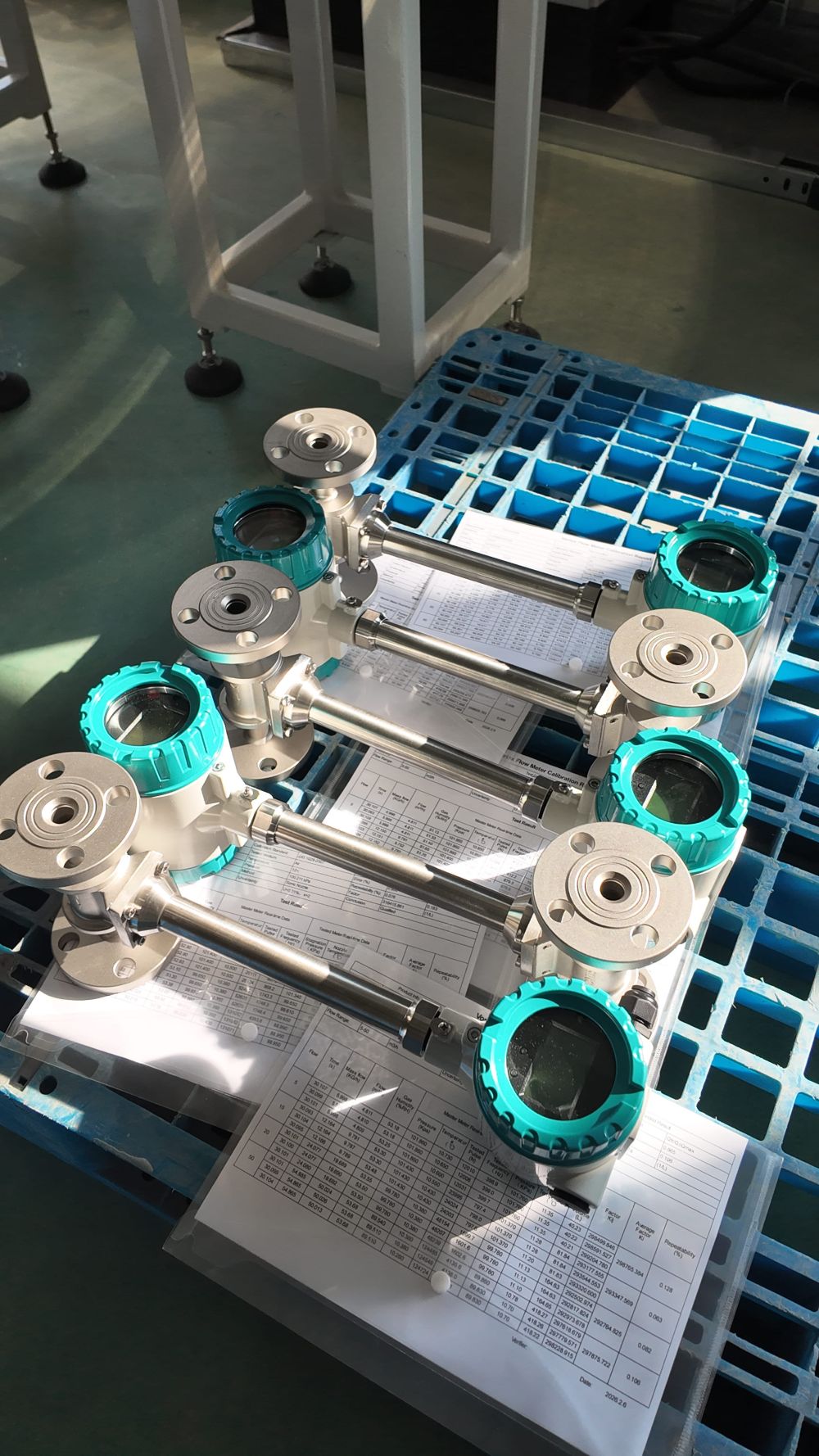
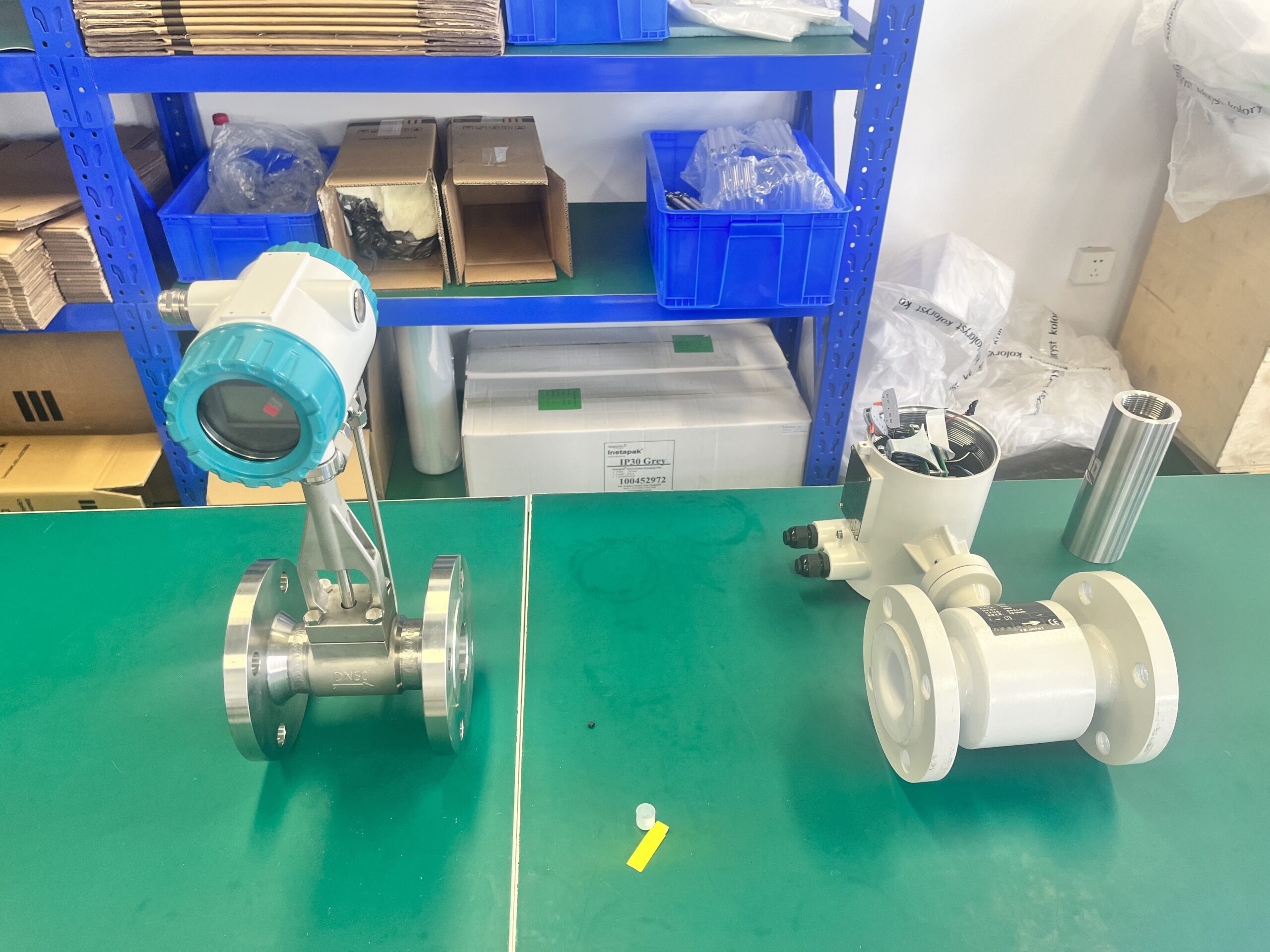
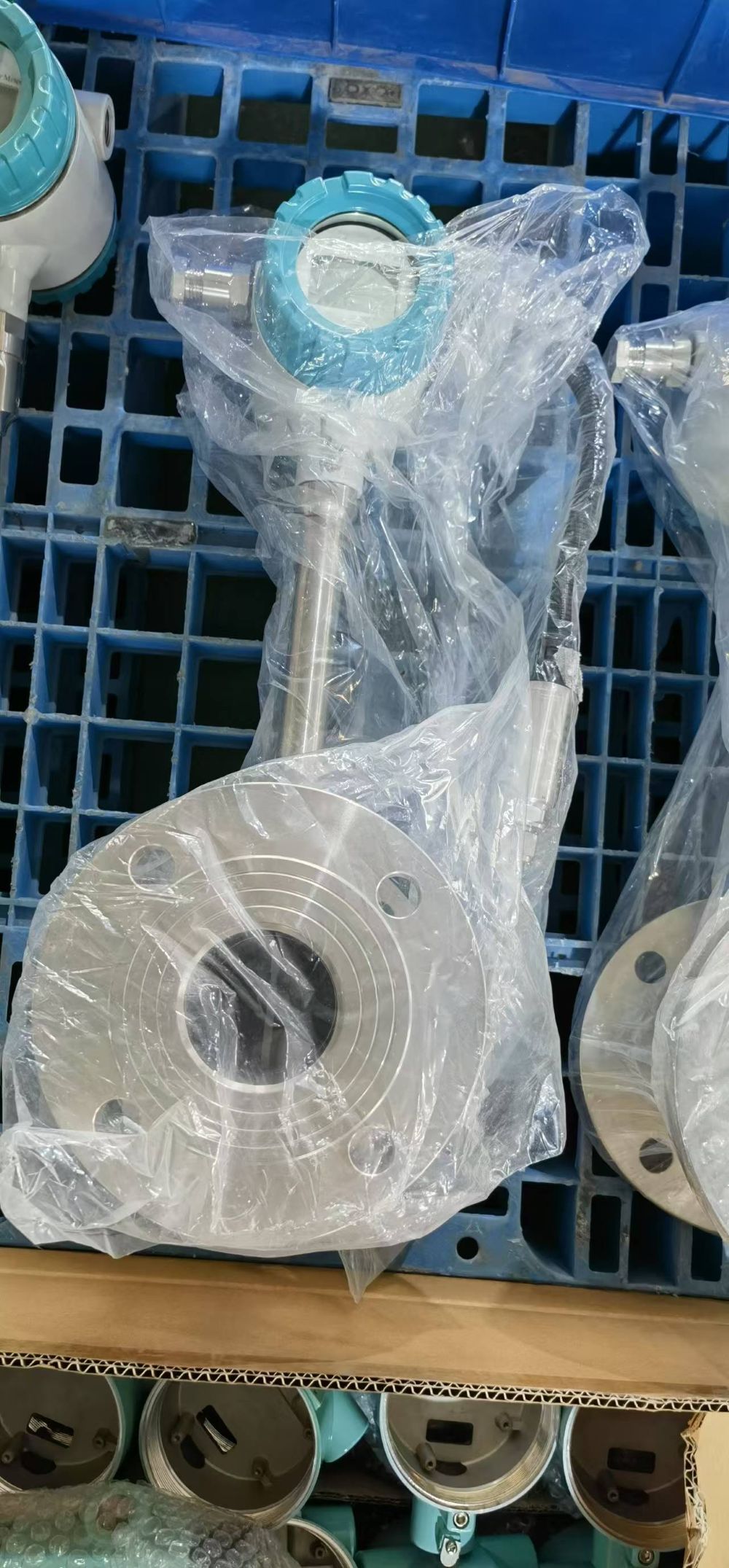
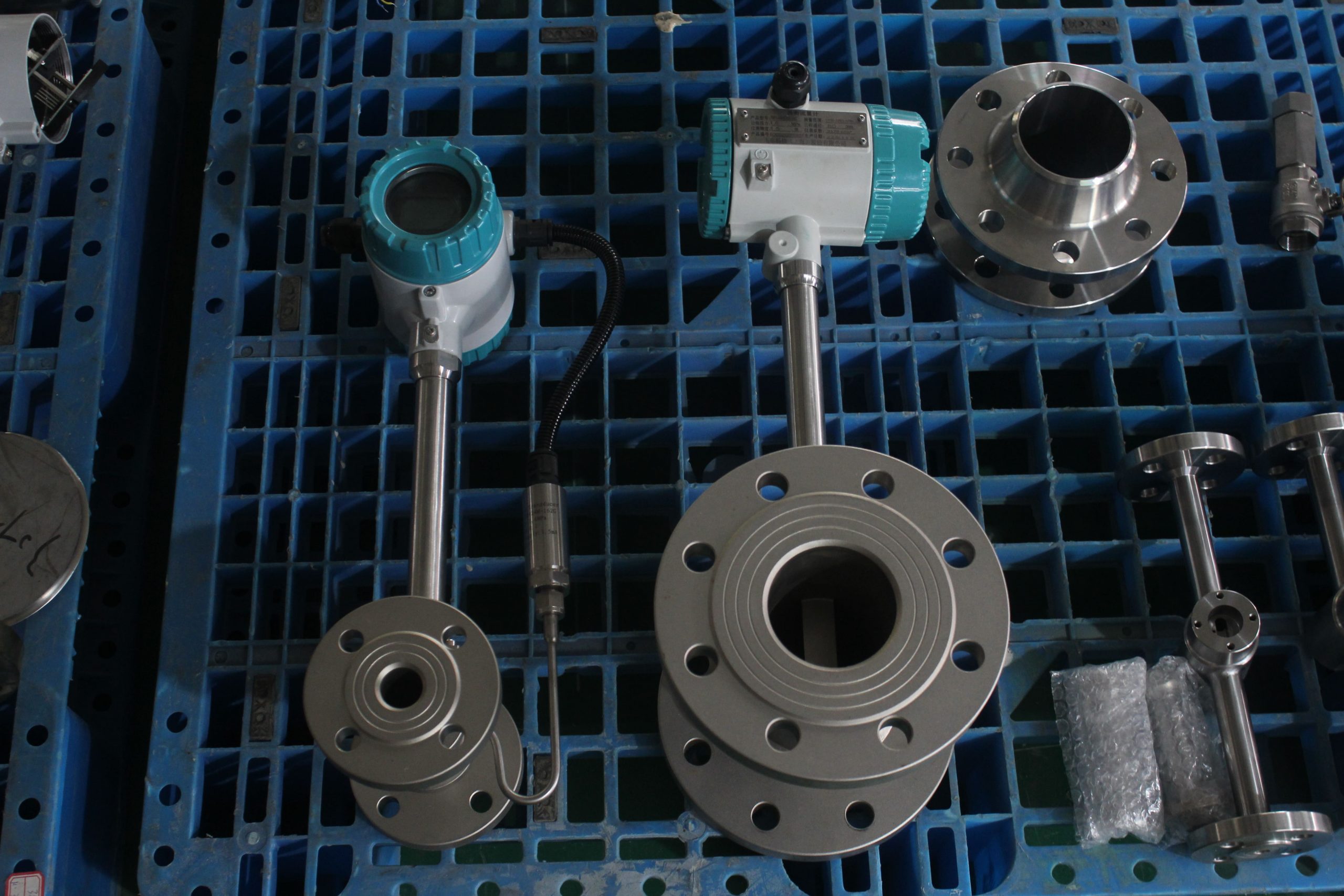
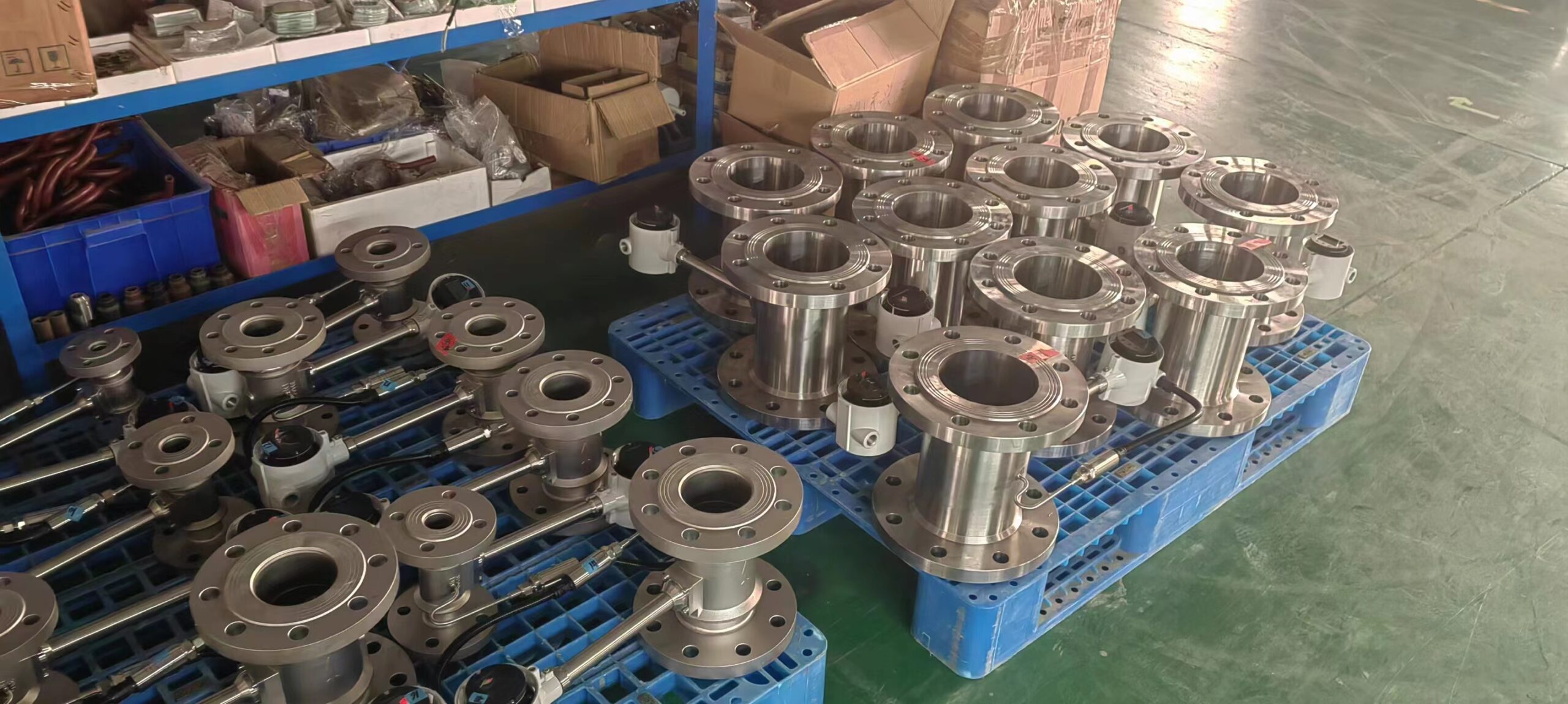
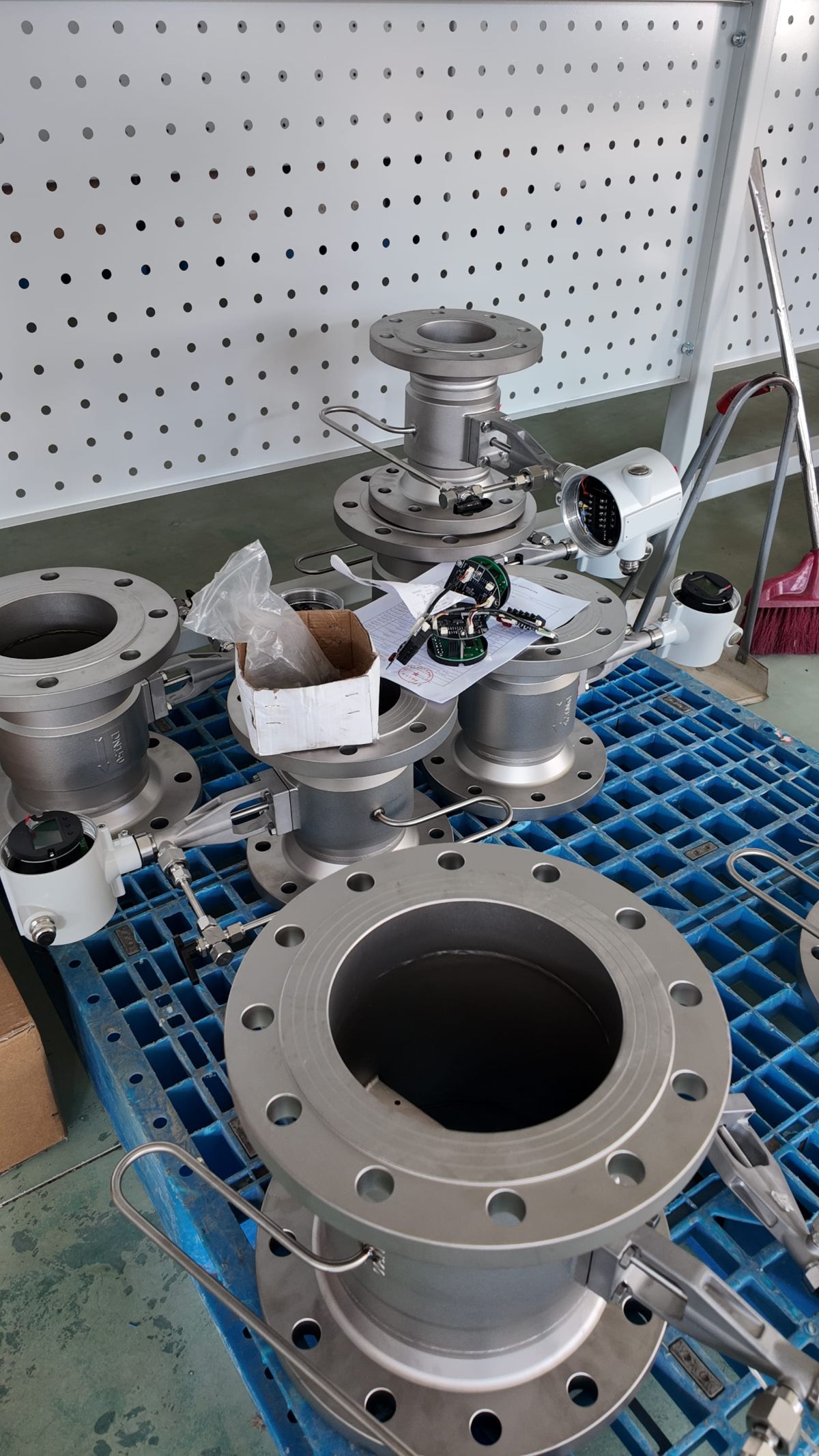
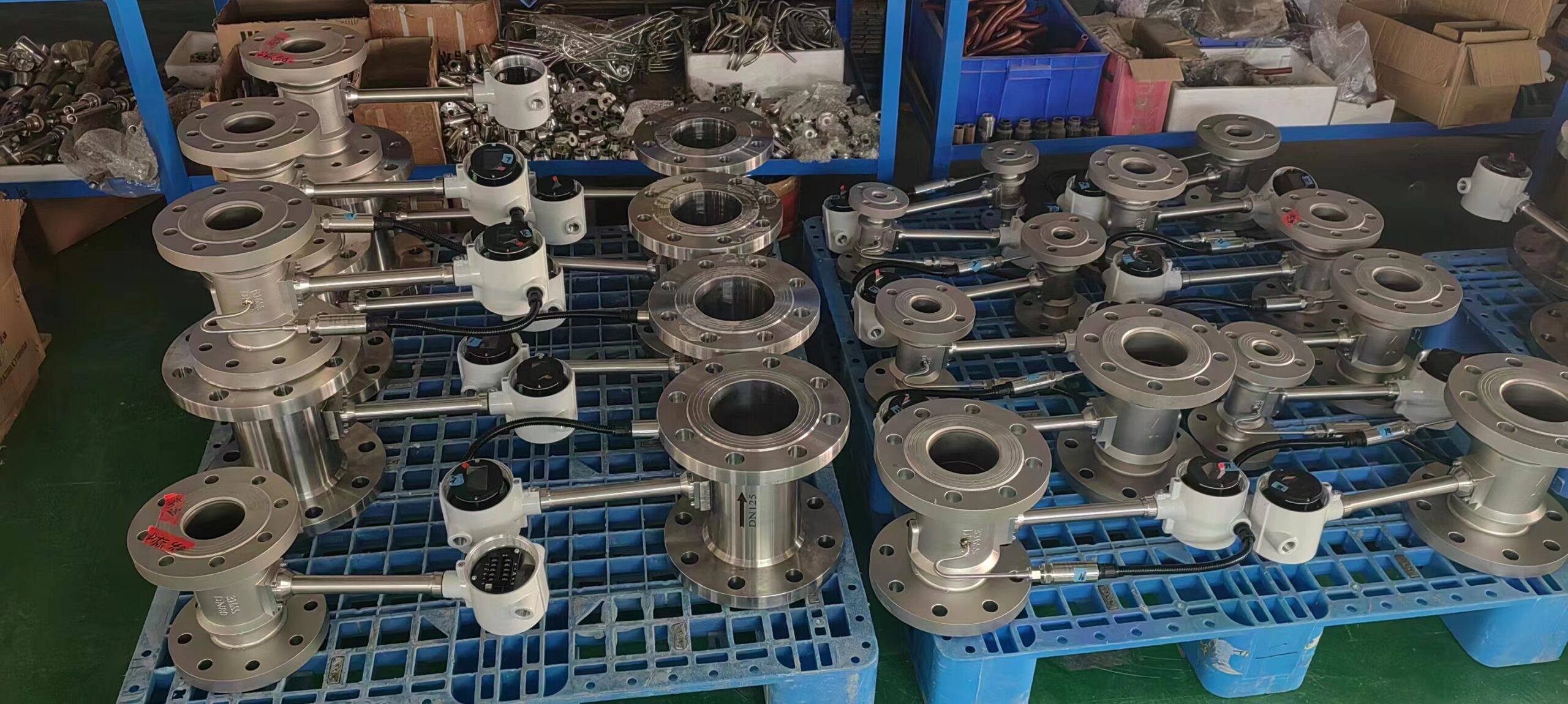
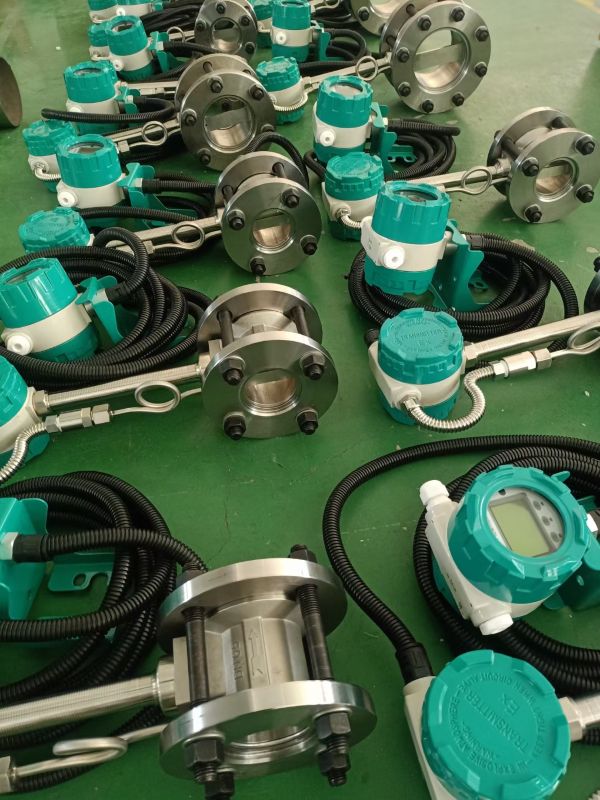
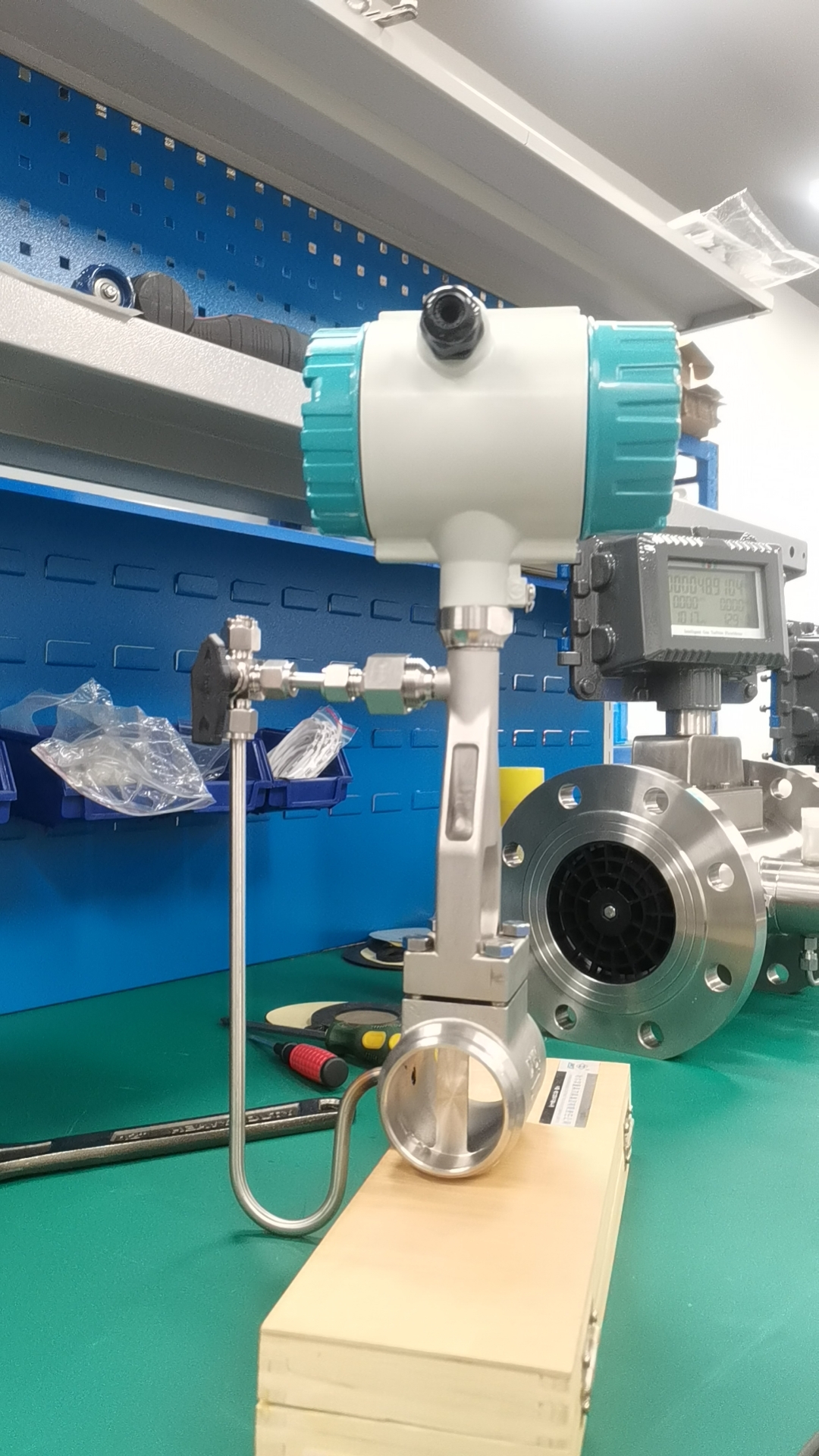
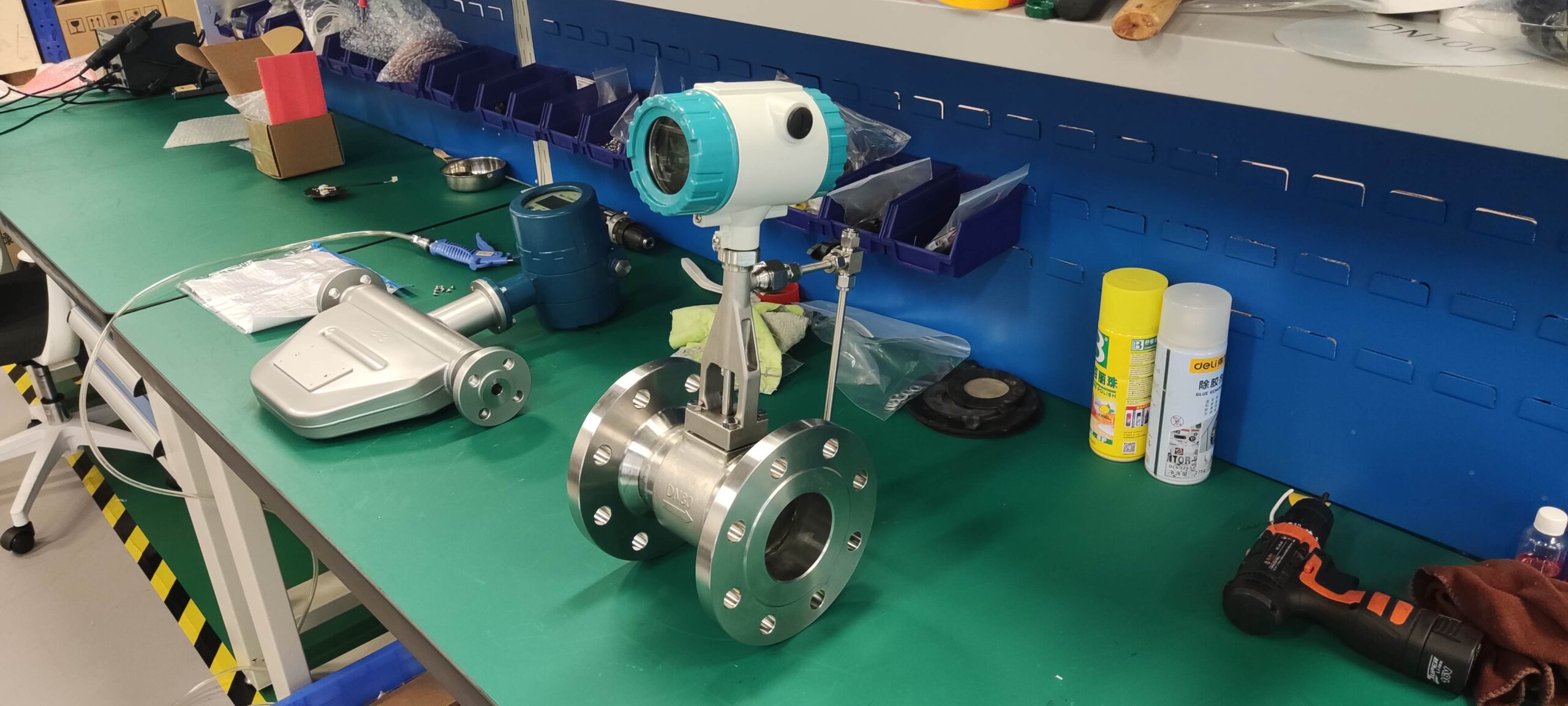
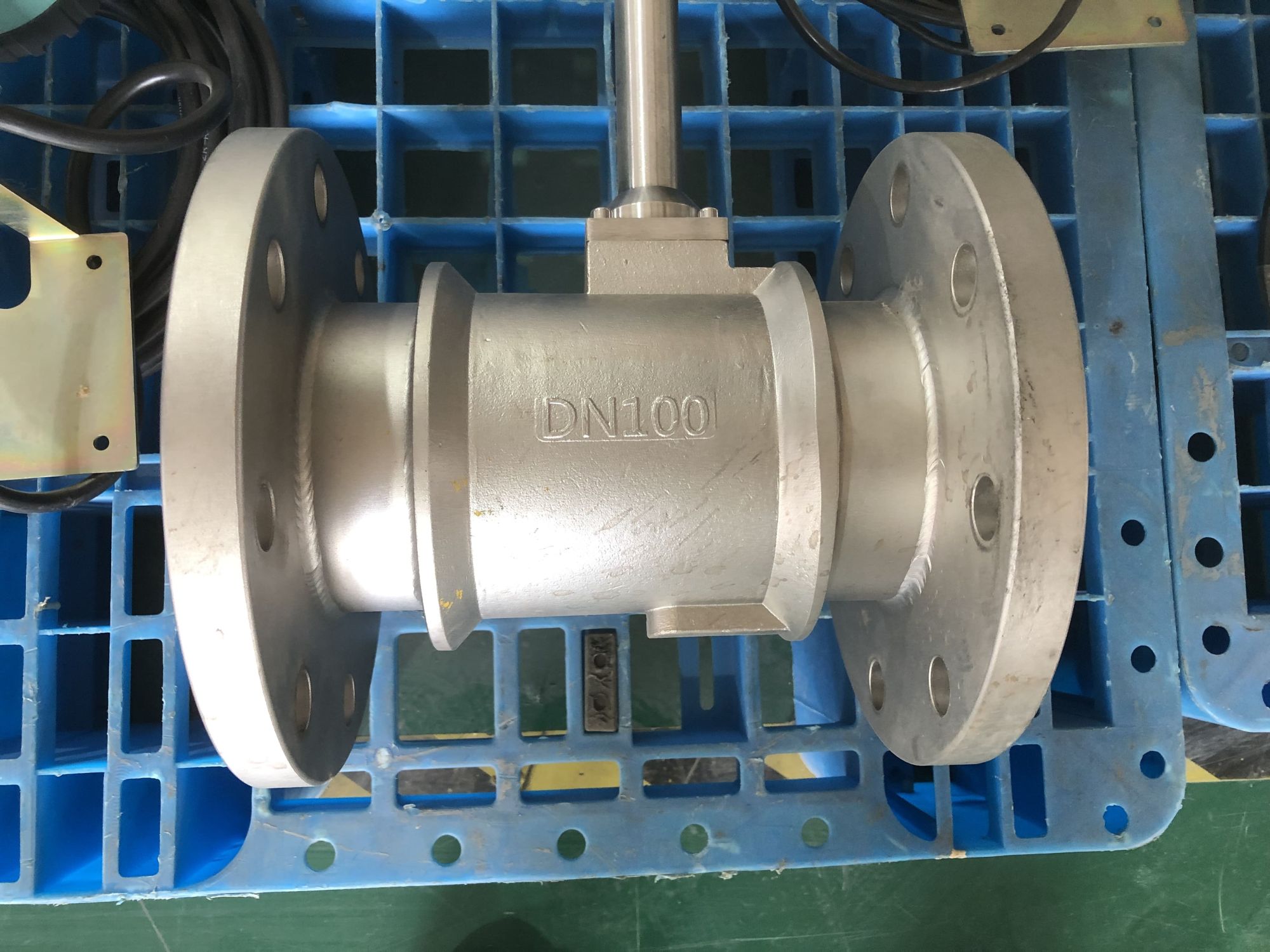
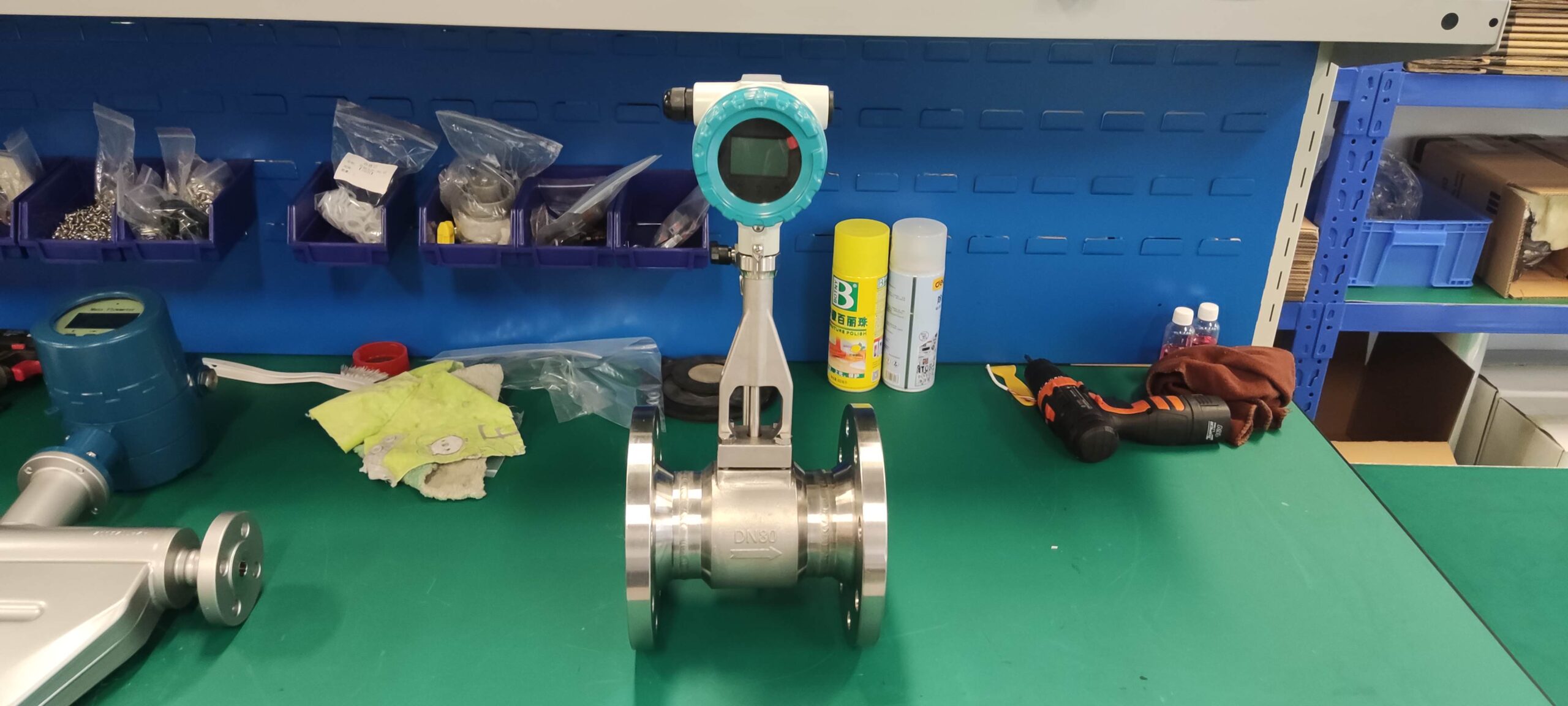
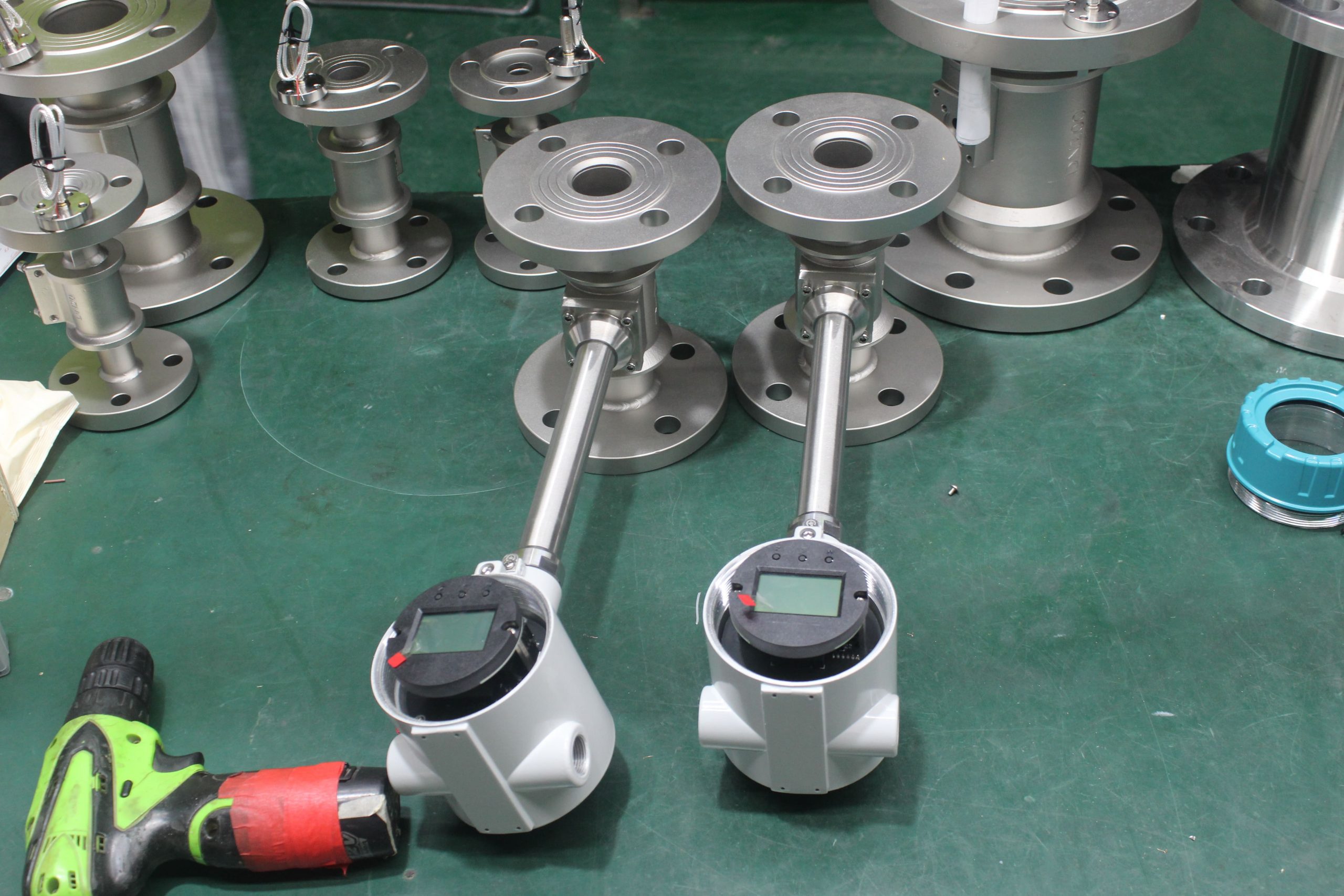
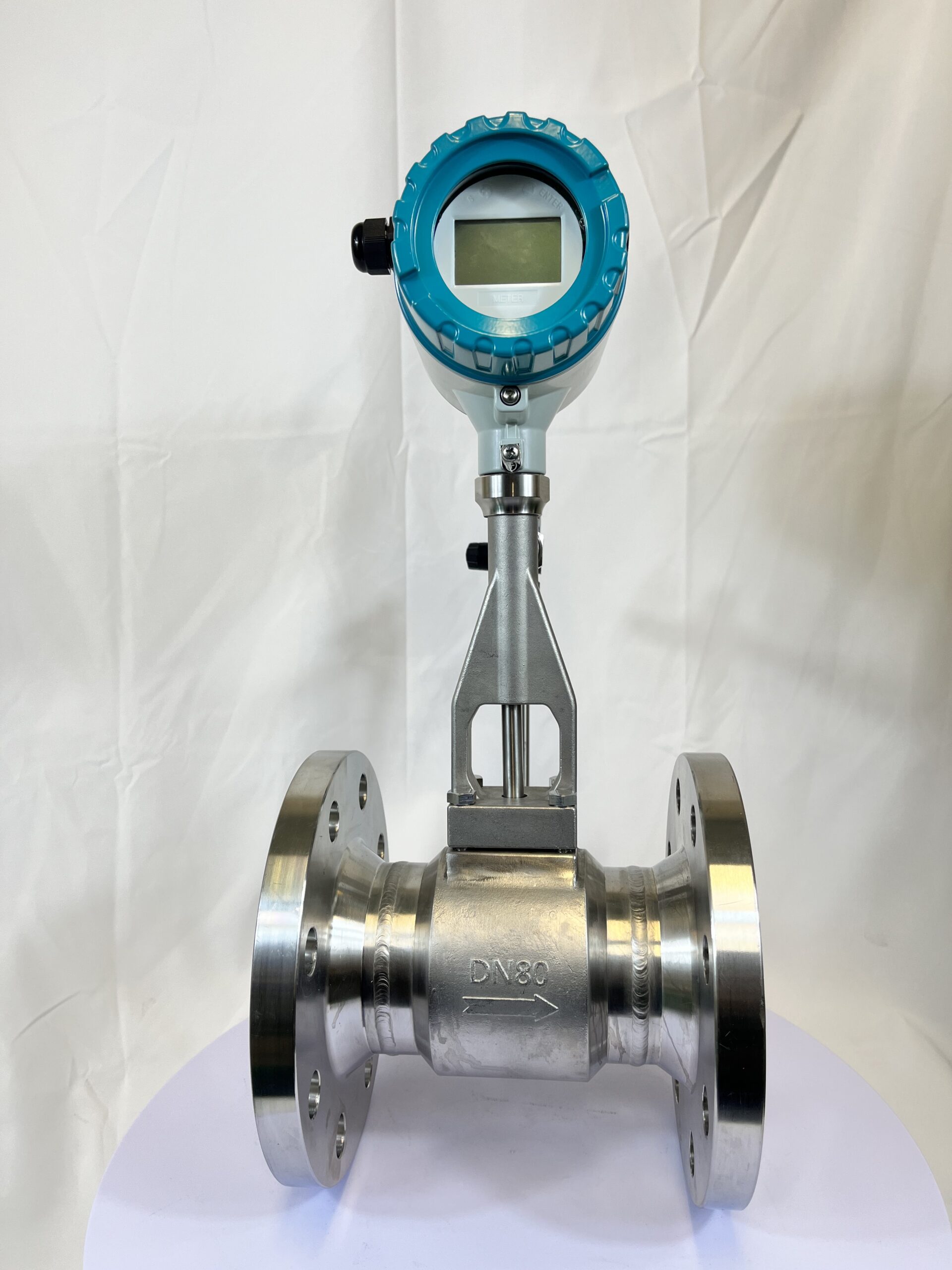
In steam measurement systems, the Vortex Flow Meter is widely used thanks to its simple structure, reliable performance, and wide turndown ratio. It is commonly installed in industries such as power generation, chemical processing, food production, and boiler energy monitoring.
In steam measurement systems, the Vortex Flow Meter is widely used thanks to its simple structure, reliable performance, and wide turndown ratio. It is commonly installed in industries such as power generation, chemical processing, food production, and boiler energy monitoring.
However, many engineers encounter a frustrating situation:
the same instrument works perfectly in one plant but frequently fails in another. Some meters lose signal completely, while others show unstable or fluctuating readings.
In most cases, the problem is not the instrument itself but installation conditions or incorrect parameter configuration. By performing three simple tests—vibration testing, straight pipe inspection, and parameter verification—you can quickly identify the root cause.
1. Vibration Test: Is the Meter Installed on a “Massage Chair”?
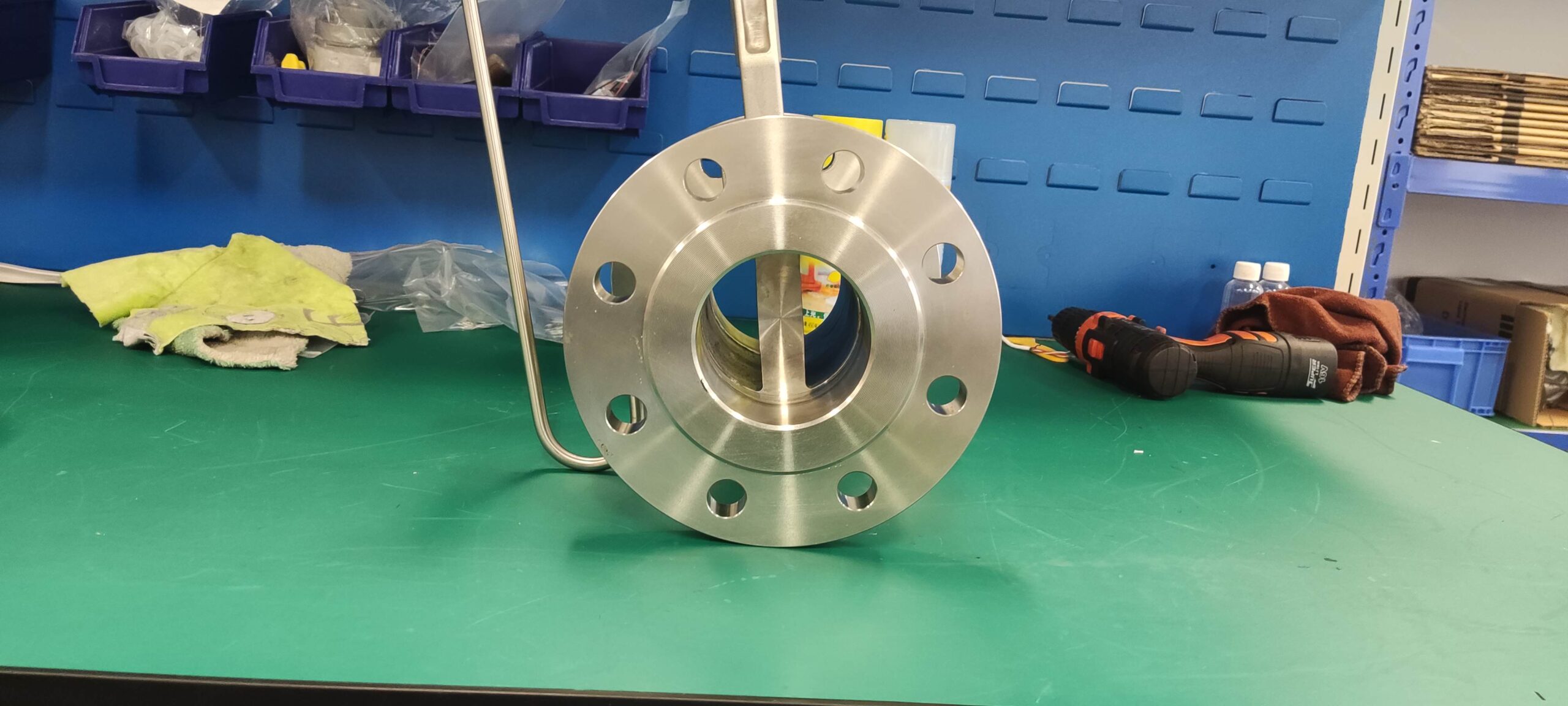
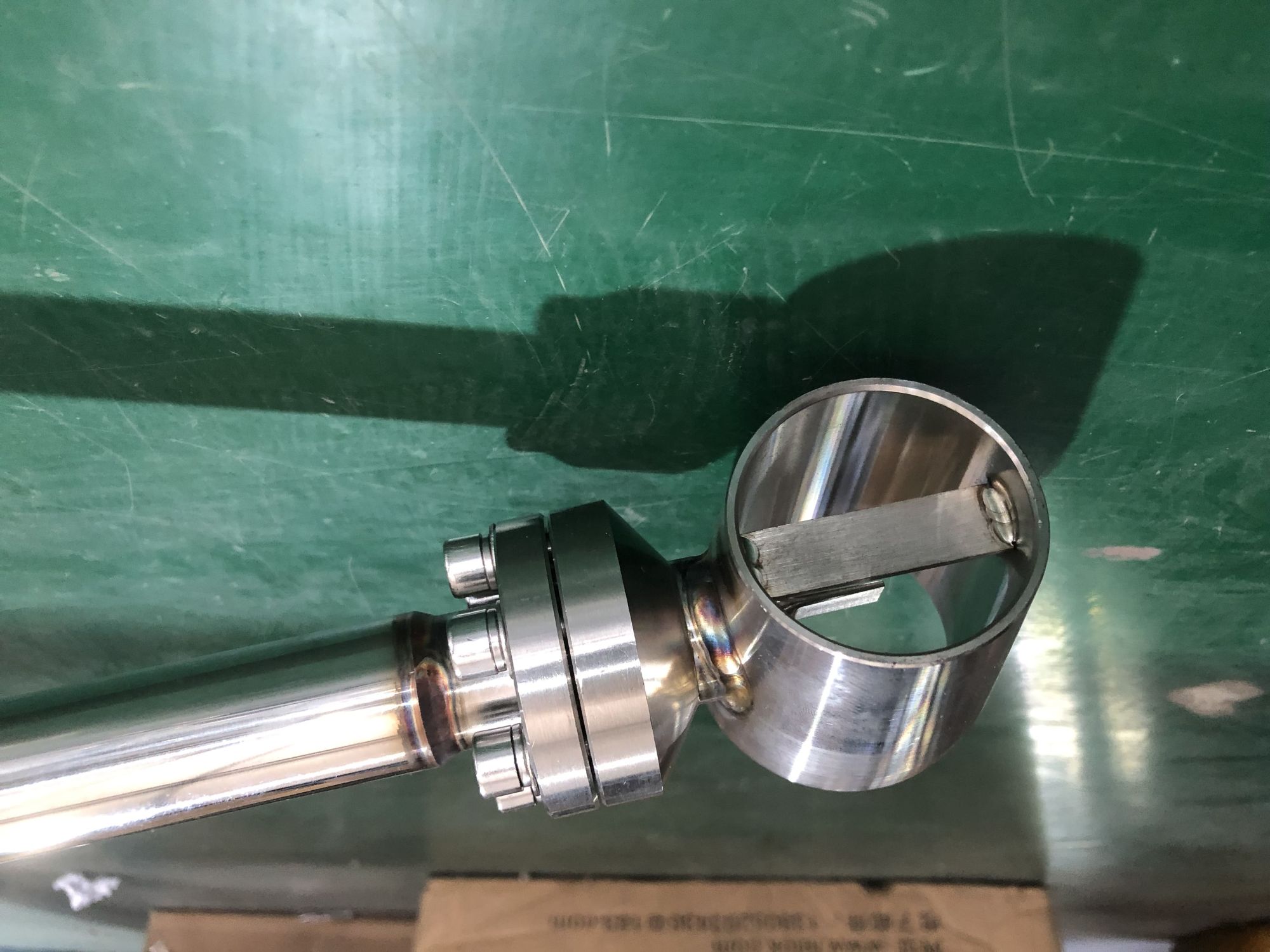
A vortex flow meter works by detecting the periodic vortices generated behind a bluff body in the fluid stream. These vortices create pressure or vibration signals that are proportional to flow velocity.
If the pipeline experiences strong mechanical vibration, the sensor may misinterpret these vibrations as flow signals.
Common vibration sources
-
Air compressors
-
Pumps
-
Steam turbines
-
Large rotating machinery
Typical symptoms
-
Flow readings appear even when the system is shut down
-
Flow values fluctuate dramatically
-
Abnormal accumulated flow
Simple vibration test
-
Stop the system and completely cut off steam flow.
-
Observe the flow meter display.
-
If the meter still shows a noticeable flow rate, external vibration is likely interfering with the measurement.
Solutions
-
Relocate the meter away from vibration sources
-
Install anti-vibration brackets or flexible connectors
-
Reinforce the pipeline support structure
A stable mechanical environment is essential for accurate vortex signal detection.
2. Straight Pipe Inspection: Are Vortices Being Disturbed?
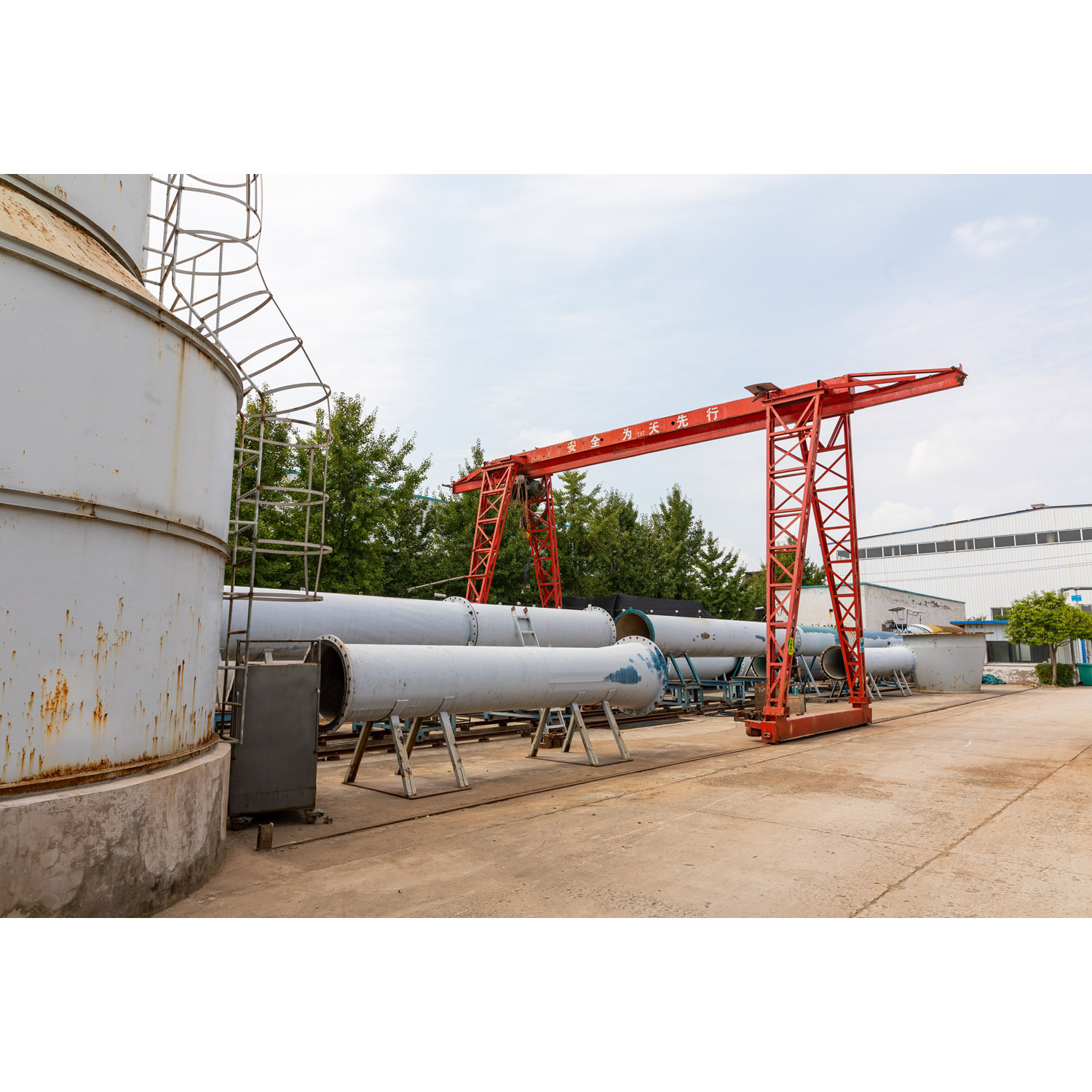
Vortex flow meters require a stable and fully developed flow profile to generate consistent vortex shedding.
If the upstream pipe is too short or flow disturbances exist, vortices may not form correctly.
Recommended straight pipe requirements
-
Upstream: ≥ 20D
-
Downstream: ≥ 5D
(D = pipe diameter)
Common installation mistakes
-
Elbows installed too close to the meter
-
Control valves located immediately upstream
-
Reducers installed without sufficient straight pipe
-
Flange gaskets protruding into the pipe
These disturbances can disrupt the vortex formation process.
Typical symptoms
-
Unstable flow readings
-
Poor measurement repeatability
-
Large fluctuations under steady process conditions
Inspection method
Check the piping layout and confirm:
-
Distance from elbows, valves, and reducers
-
Proper alignment of flanges
-
Gaskets not extending into the pipe interior
Correcting these mechanical installation issues often restores measurement stability.
3. Parameter Verification: Do You Really Know Your Steam?
Steam measurement is more complex than measuring liquids because steam density varies significantly with pressure and temperature.
The difference between saturated steam and superheated steam can be substantial. If the flow meter’s internal parameters do not match actual operating conditions, measurement errors are unavoidable.
Common configuration issues
-
Incorrect steam density settings
-
No pressure or temperature compensation
-
Static parameters used in a dynamic process
Typical symptoms
-
Flow values consistently higher or lower than expected
-
Energy consumption calculations inaccurate
-
Sudden deviations during pressure fluctuations
Verification method
-
Measure the actual steam pressure and temperature in the pipeline.
-
Compare these values with the parameters configured in the meter.
-
Confirm whether real-time pressure or temperature compensation is enabled.
Recommended practice
-
Saturated steam: enable pressure or temperature compensation.
-
Superheated steam: use both pressure and temperature compensation for accurate mass flow calculation.
Proper compensation ensures the meter calculates true mass flow instead of misleading volumetric readings.
When Vortex Flow Meters Perform Best in Steam Systems
When installed correctly, vortex flow meters provide excellent performance in steam applications.
They are particularly suitable for:
-
Boiler steam monitoring
-
Energy management systems
-
Industrial process steam measurement
-
Utility steam distribution networks
Their advantages include:
-
No moving parts
-
Long service life
-
Good accuracy for clean steam
-
Wide measurement range
Conclusion
Vortex flow meters remain one of the most reliable technologies for steam measurement. However, their performance depends heavily on proper installation, stable mechanical conditions, and correct parameter configuration.
If your meter frequently loses signal or displays unstable readings, start by checking three critical factors:
-
Pipeline vibration
-
Straight pipe installation conditions
-
Steam parameter configuration
By addressing these issues, most steam measurement problems can be resolved without replacing the instrument.
Proper testing and optimization will ensure that your vortex flow meter delivers stable, accurate, and long-term steam flow measurement.