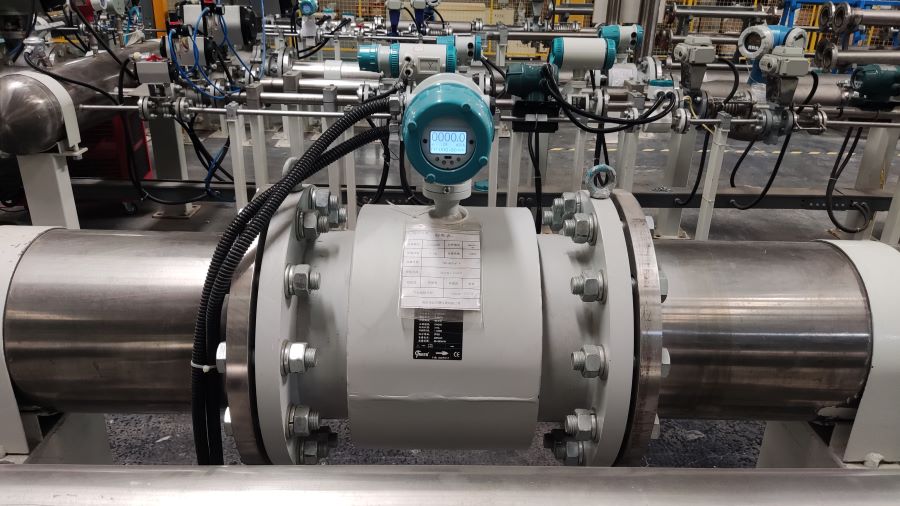
How to install the electromagnetic flow meter correctly? How to wire?
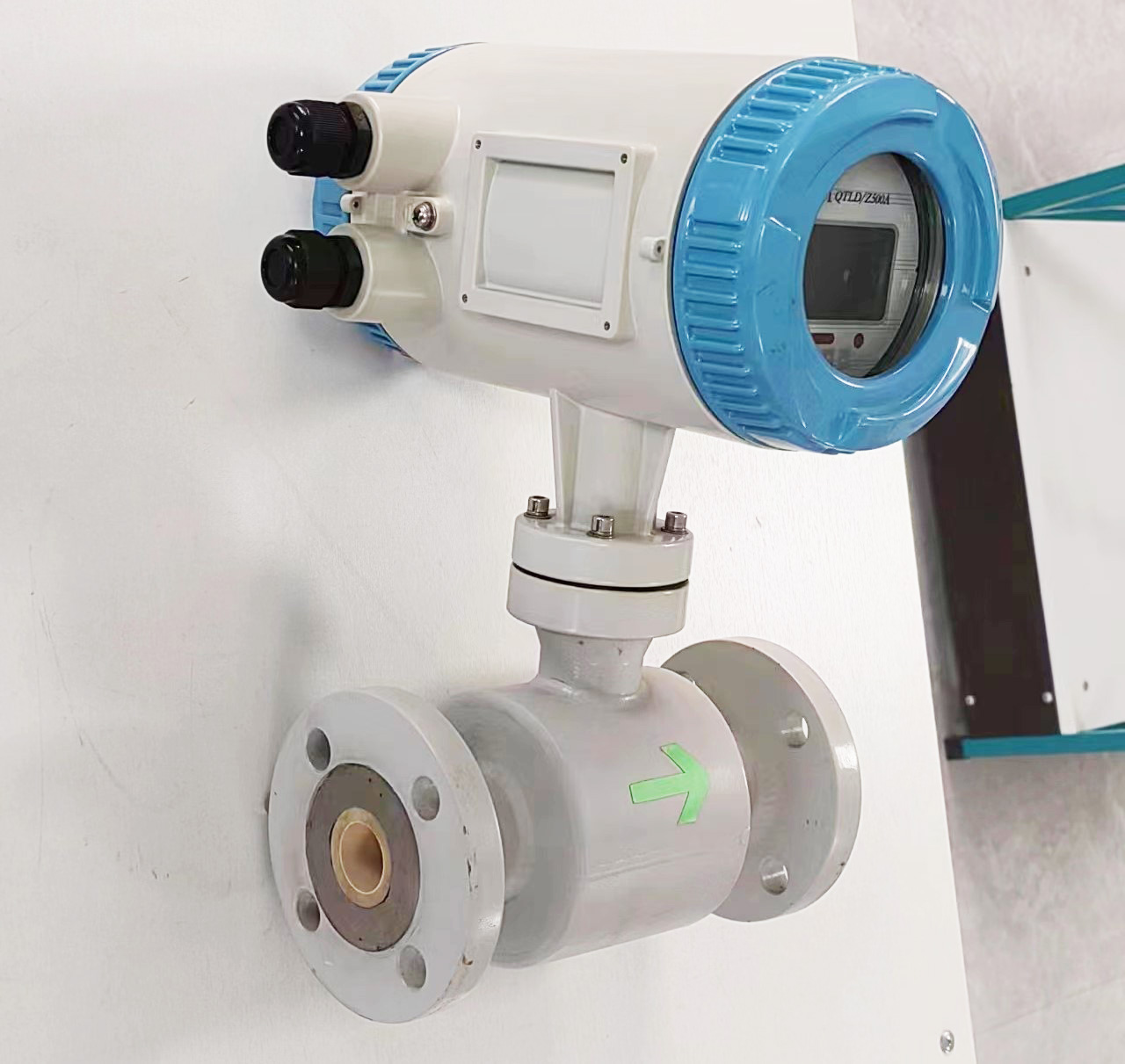
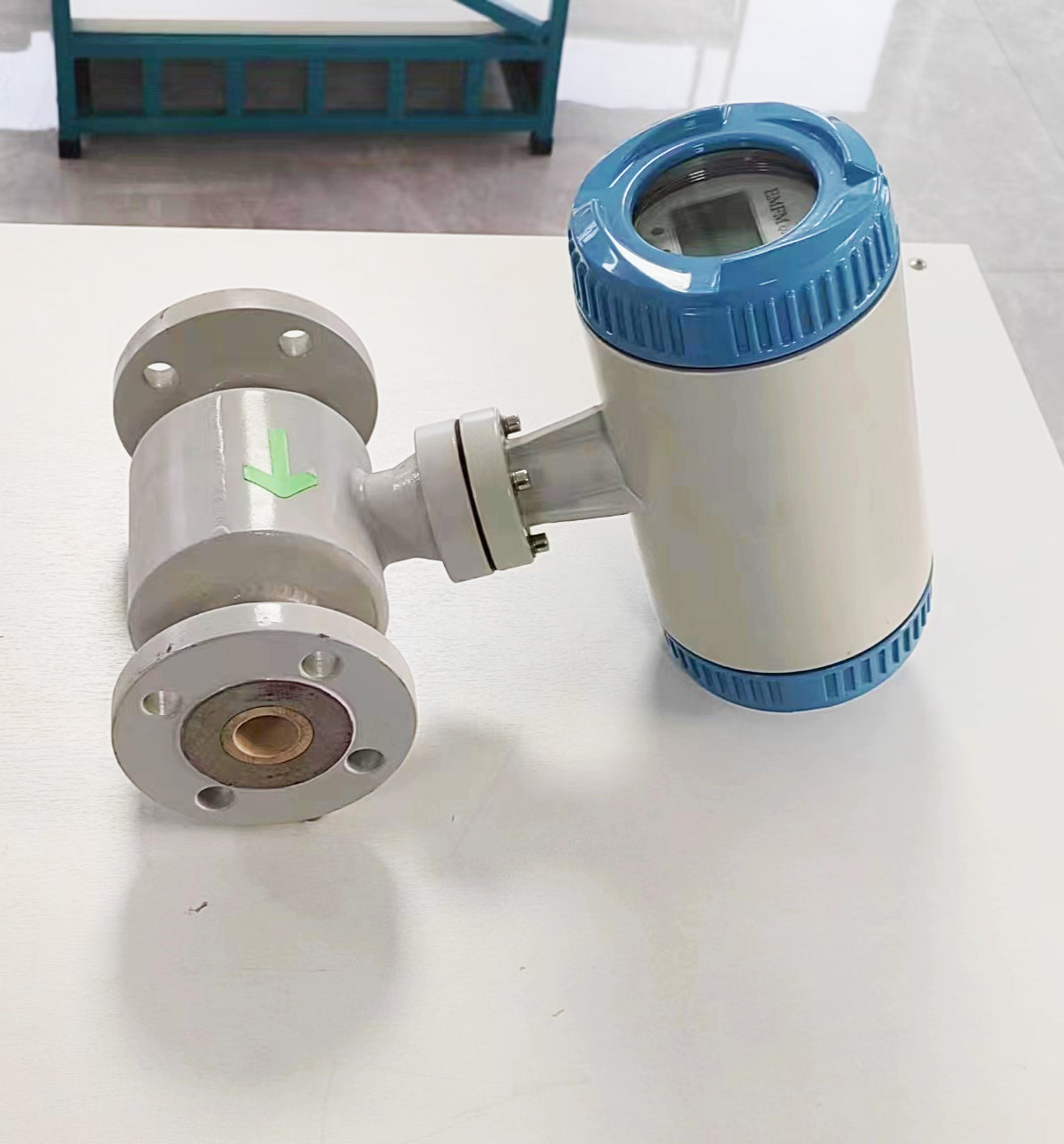
Electromagnetic flowmeter is widely used in the industrial field, in order to make the electromagnetic flowmeter work stable and reliable, accurate measurement, installation needs to be installed in accordance with the correct method.
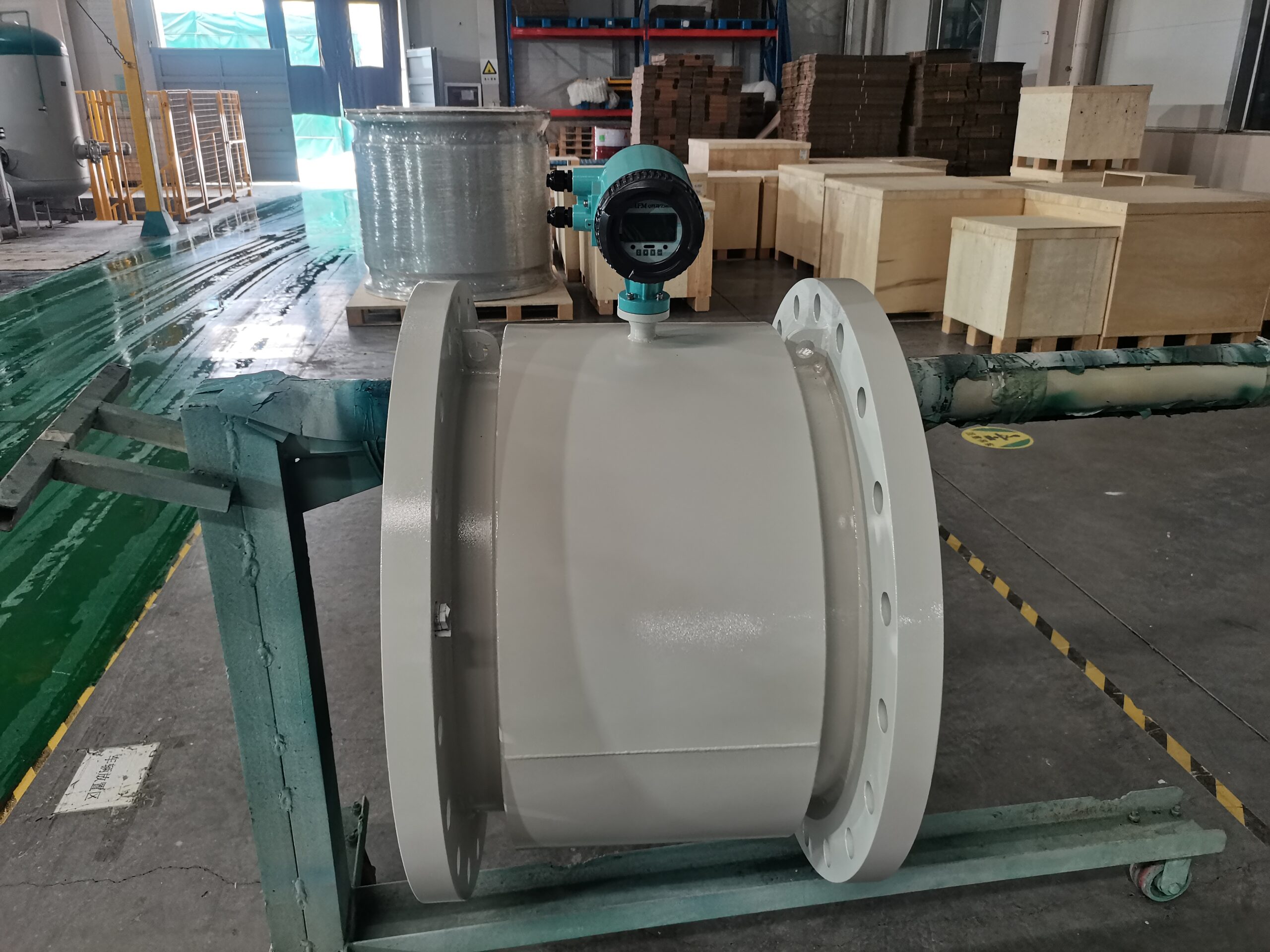
Electromagnetic flowmeter is widely used in the industrial field, in order to make the electromagnetic flowmeter work stable and reliable, accurate measurement, installation needs to be installed in accordance with the correct method. Next, Aister teaches you how to properly install an electromagnetic flowmeter.
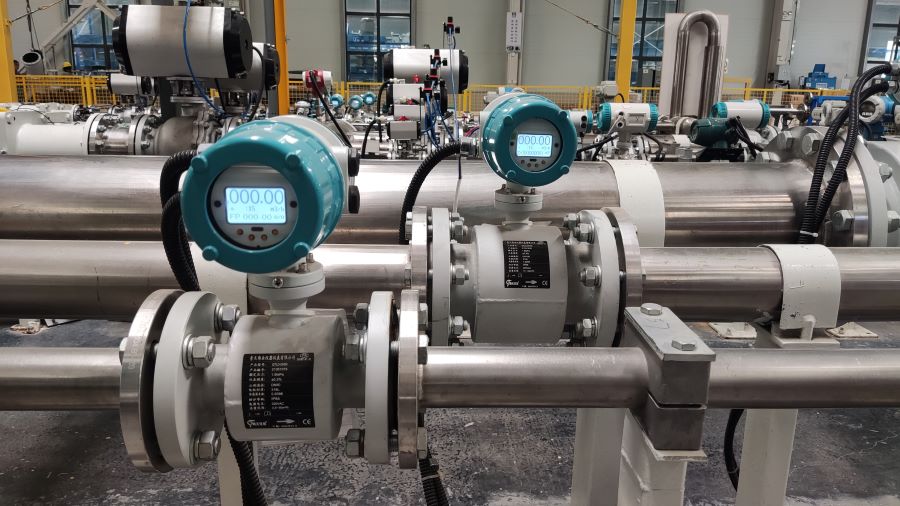
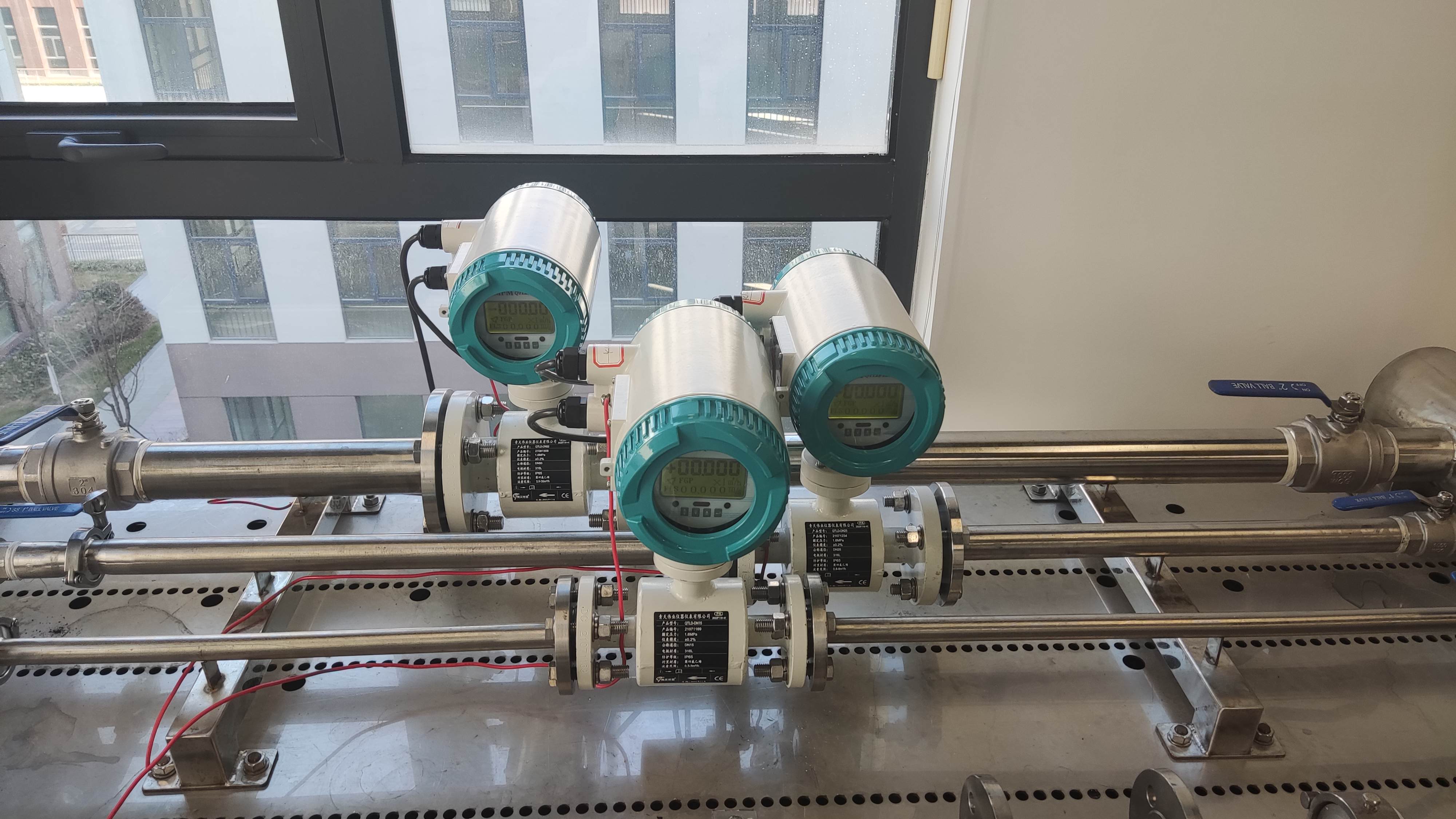
1. The sensor can be installed on a vertical pipe, or on a horizontal or inclined pipe, but the center connection of the two electrodes is required to be in a horizontal state.
2. The medium in the installation position should be full tube flow, to avoid not satisfied tube and gas adsorption on the electrode.
3. When the medium in the installation position of the flow meter is not satisfied with the pipe, the method of raising the back end of the flow meter can be adopted to make it full. It is strictly prohibited to install the flow meter at the highest point of the pipeline and the water outlet.
4. The length of the straight pipe section before and after the flowmeter: the front section ≥10DN, the back end ≥5DN (DN is the pipe diameter).
5. Flange connection, the matching flange is spot-welded to the pipe, the bolt and the flange on the body is connected. Then weld.
6. The addition type first welded the two flanges and pipes on the body, installed the flowmeter together with bolts and nuts, and spot-welded.
Electromagnetic flowmeter wiring method:
1. The flowmeter shell, the measured flow body and the pipe connection flange should be made between the equal potential connection, and should be grounded.
2. When installed on the vertical pipe, the flow direction of the measured flow body should be bottom-up, and when installed on the horizontal pipe, the two measuring electrodes should not be directly above and below the pipe.
3. The length of the upstream straight pipe section of the flowmeter and the installation support mode should meet the requirements of the design document.
-.jpg)