Don’t Let Bad Data Mislead You: How to Measure High-Temperature Steam with Vortex Flowmeters Correctly
Struggling with inaccurate steam flow readings? Discover the top installation and configuration mistakes in vortex flowmeters and learn how to ensure precise measurement in high-temperature steam applications.
In high-temperature steam applications, vortex flowmeters are widely regarded as the industry’s “workhorse.” However, many engineers face a frustrating reality: despite correct model selection and brand-new instruments, the readings fluctuate or deviate significantly from actual consumption.
Here’s the truth: in most cases, the issue is not the meter—it’s how it’s installed and configured.
This guide breaks down the most common hidden mistakes and how to avoid them, so your vortex flowmeter delivers reliable, accurate data in demanding steam environments.
1. Never Compromise on Straight Pipe Length
The Problem
Vortex flowmeters rely on stable vortex shedding generated by fluid passing a bluff body. If the flow profile is disturbed, the vortex signal becomes unstable.
Installing the meter too close to:
- Valves
- Elbows
- Reducers or expanders
will create turbulence that disrupts measurement accuracy.
Best Practice
To ensure a fully developed flow profile:
- Upstream: ≥ 20D (20× pipe diameter)
- Downstream: ≥ 10D
This is your first line of defense against inaccurate readings.
Why It Matters
Insufficient straight runs can cause:
- Under-measurement (missed vortices)
- Over-measurement (false signal detection)
- Unstable output signals
2. Don’t Rely Solely on Built-In Temperature Compensation
The Problem
Steam is a compressible fluid, meaning its density changes with temperature and pressure. Many users assume that a vortex flowmeter with an integrated temperature sensor is sufficient.
However, in high-temperature conditions (>200°C / 392°F):
- Heat conduction affects sensor accuracy
- Integrated sensors are prone to thermal drift
- Density calculations become unreliable
Best Practice
For accurate mass flow measurement:
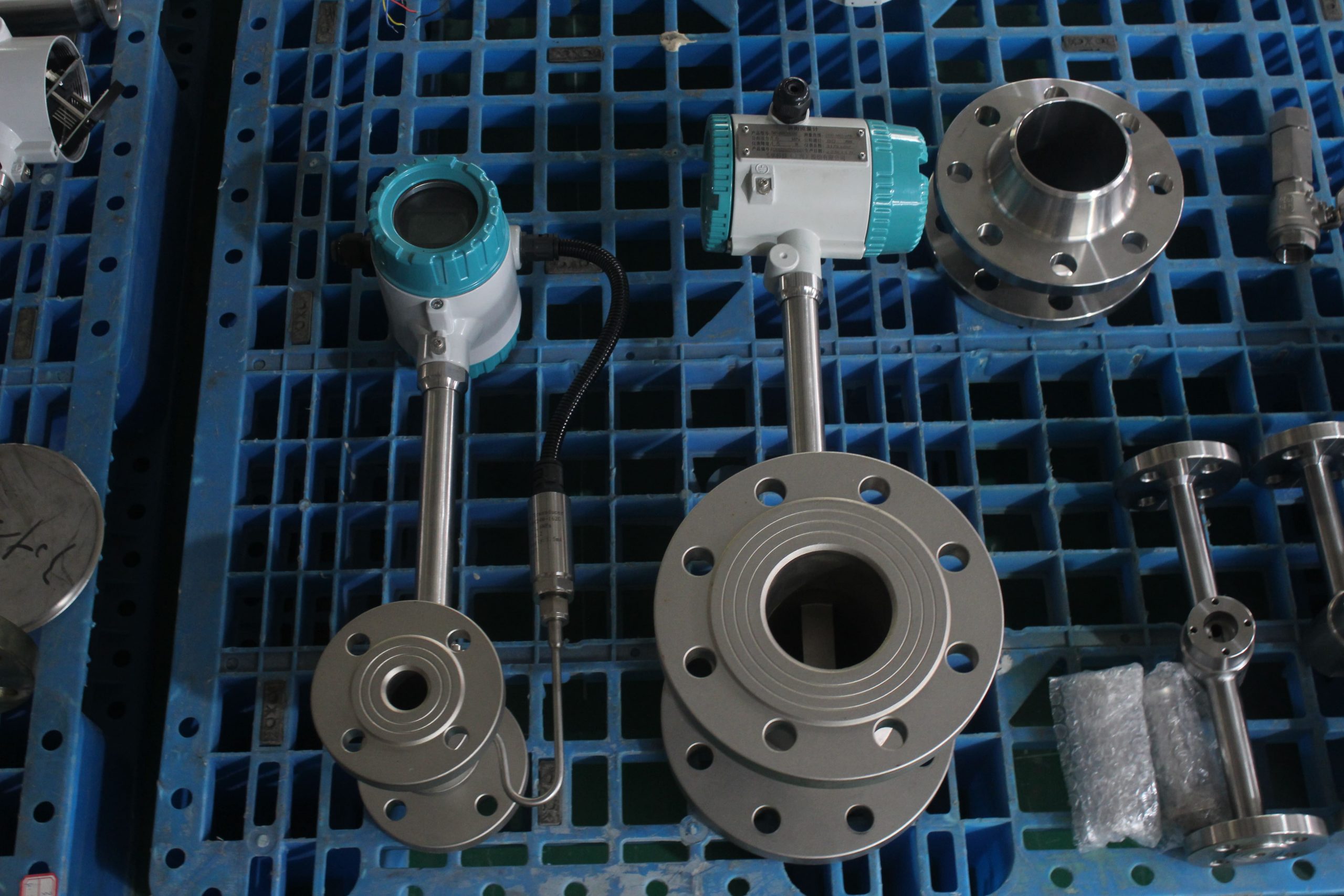
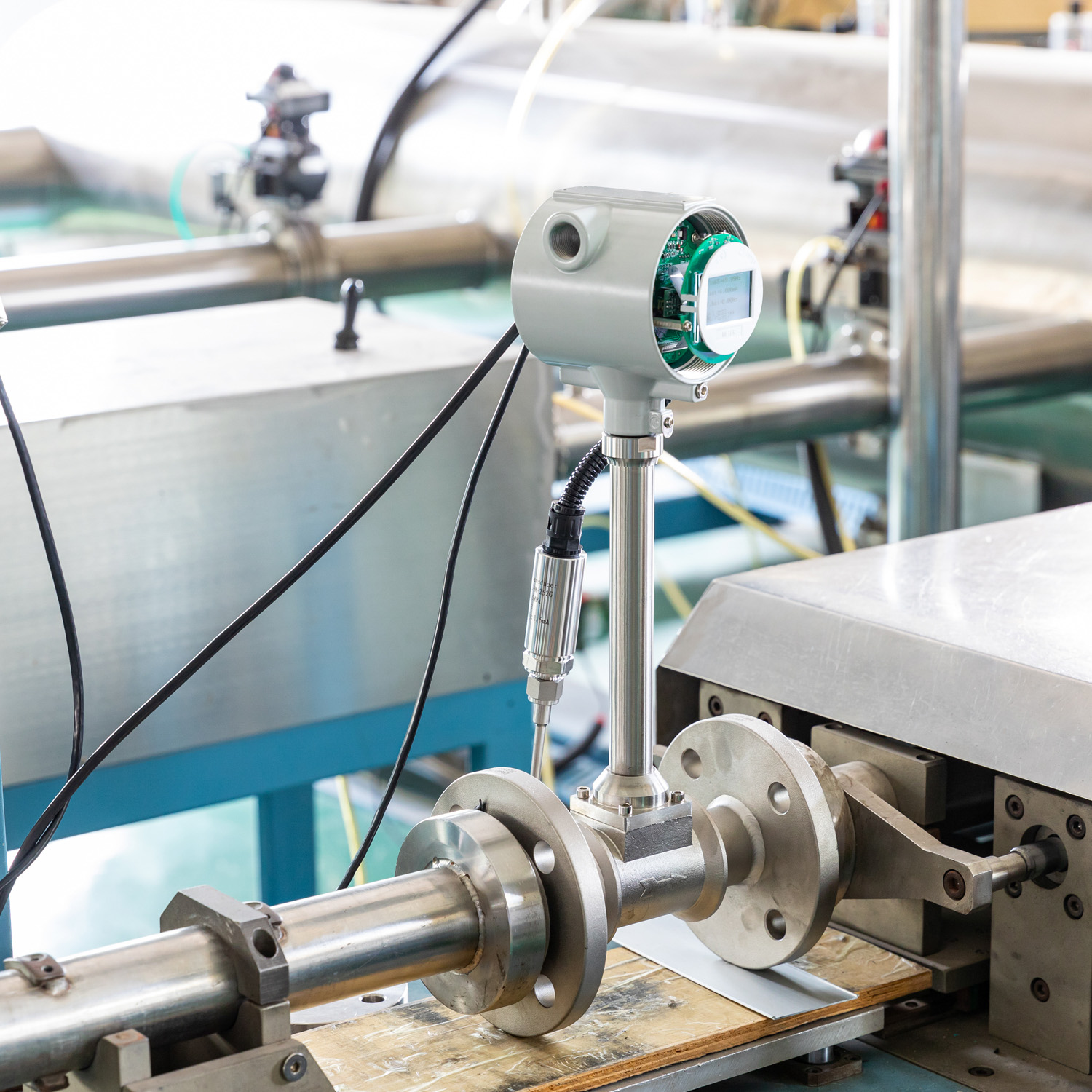
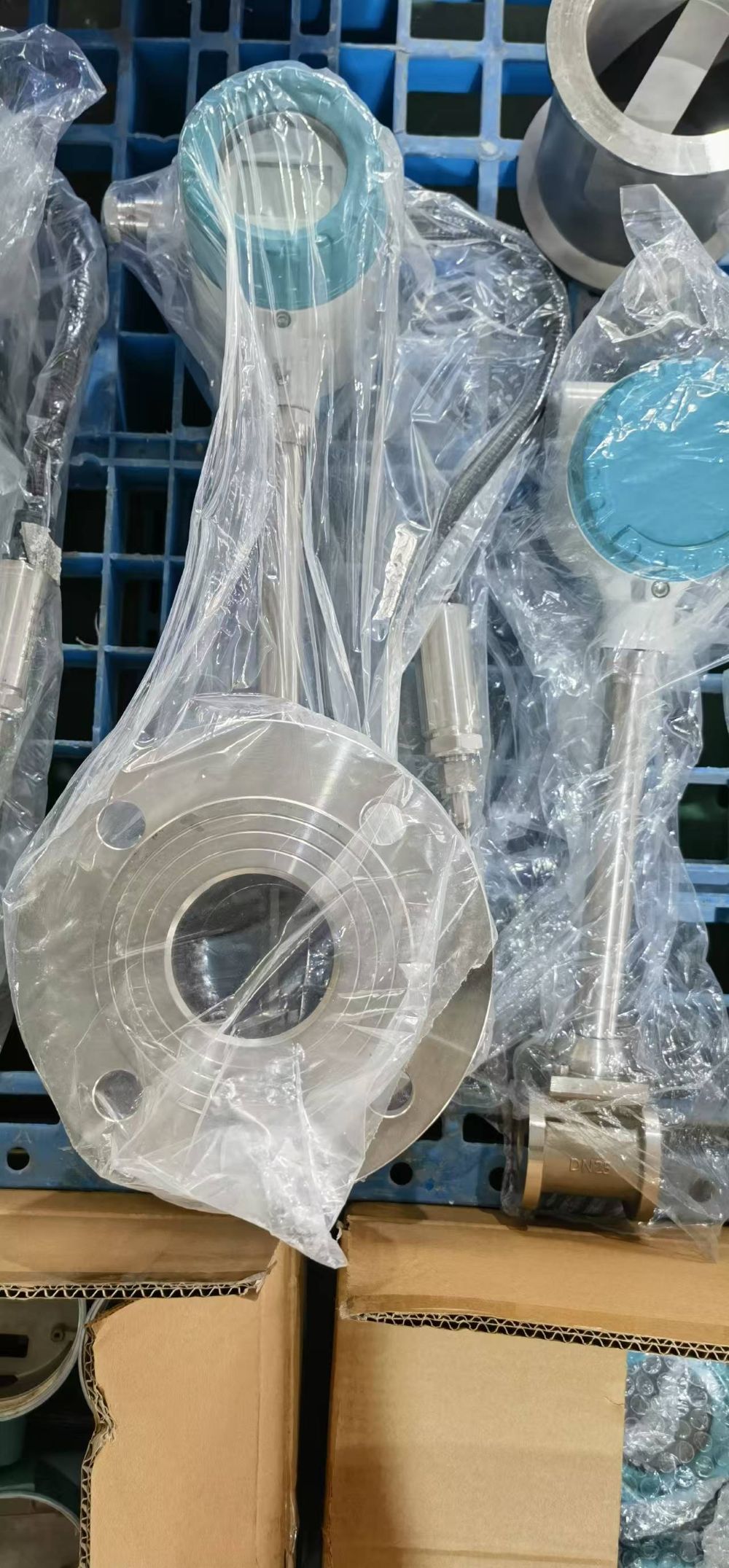
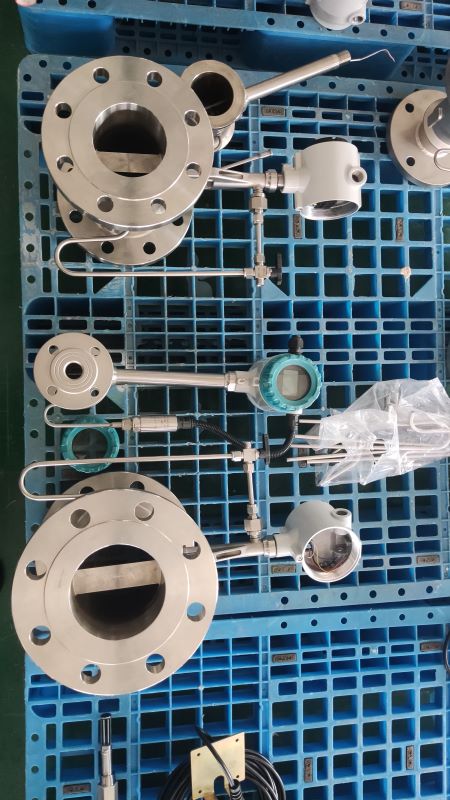
- Use remote (separate) temperature sensors
- Install an independent pressure transmitter
- Implement real-time temperature and pressure compensation
Why It Matters
Without proper compensation:
- Volumetric flow ≠ actual mass flow
- Energy balance calculations become inaccurate
- Billing or process control errors increase
3. Never Ignore Pipeline Vibration
The Problem
Steam pipelines often experience mechanical vibration during:
- Startup heating
- Pressure fluctuations
- Equipment operation
These vibrations interfere with the vortex signal and can create false flow readings.
Best Practice
If vibration cannot be eliminated:
- Choose vortex flowmeters with spectral analysis filtering
- Use dual-sensor (DS) anti-vibration designs
- Reinforce pipeline supports to minimize resonance
Why It Matters
Vibration can:
- Generate “ghost” flow signals
- Cause severe measurement drift
- Reduce long-term reliability
4. Bonus Tip: Installation Orientation Matters
Common Mistakes
- Installing in low points → condensate accumulation
- Poor insulation → heat loss affecting readings
Recommendations
- Install in horizontal pipelines (preferred for steam)
- Ensure proper drainage of condensate
- Apply thermal insulation to stabilize conditions
Key Takeaways
Accurate steam measurement is not just about choosing the right vortex flowmeter—it’s about eliminating installation and configuration errors that compromise data integrity.
To recap:
- Ensure sufficient straight pipe lengths (20D upstream / 10D downstream)
- Use independent temperature and pressure compensation
- Mitigate or filter out vibration interference
- Follow correct installation orientation and insulation practices
Final Thoughts
Data itself is objective—but poor measurement practices can make it misleading.
When properly installed and configured, a vortex flowmeter can deliver highly reliable performance even in harsh, high-temperature steam conditions. Avoid these common pitfalls, and your instrument will become a dependable tool for process optimization, energy management, and cost control.