Home » Flow Meter » Electromagnetic Flow Meter » Electromagnetic flow meter selection

Electromagnetic flow meter selection

The correct selection of electromagnetic flowmeter is the prerequisite to ensure the good use of electromagnetic flowmeter. What kind of electromagnetic flowmeter should be selected should be determined according to the physical and chemical properties of the measured body medium, so that the diameter of the electromagnetic flowmeter, flow range, lining material, electrode material and output current, etc., can adapt to the nature and flow requirements of the measured body.

Rated 4.5/5 based on 243 customer reviews
Share:
Content

Fluid selection

According to the working principle of the electromagnetic flowmeter, the fluid that chooses the electromagnetic flowmeter to measure the flow must be conductive, in addition to the high-temperature fluid, as long as the conductivity is greater than 5μ/cm of any fluid, the corresponding electromagnetic flowmeter is selected to measure the flow, so the non-conductive gas, steam, oil, acetone and other substances can not choose the electromagnetic flowmeter to measure the flow.

Determination of sensor caliber

The flow rate of the flowmeter is in the range of 0.3~15m/s, and the diameter of the flowmeter can be selected to be consistent with the diameter of the user’s pipeline. When the flow rate is lower than 0.3m/s, install shrinkage tubes on the upper and downstream straight pipe sections to increase the flow rate locally.
Inquiry


    More Electromagnetic Flow Meter

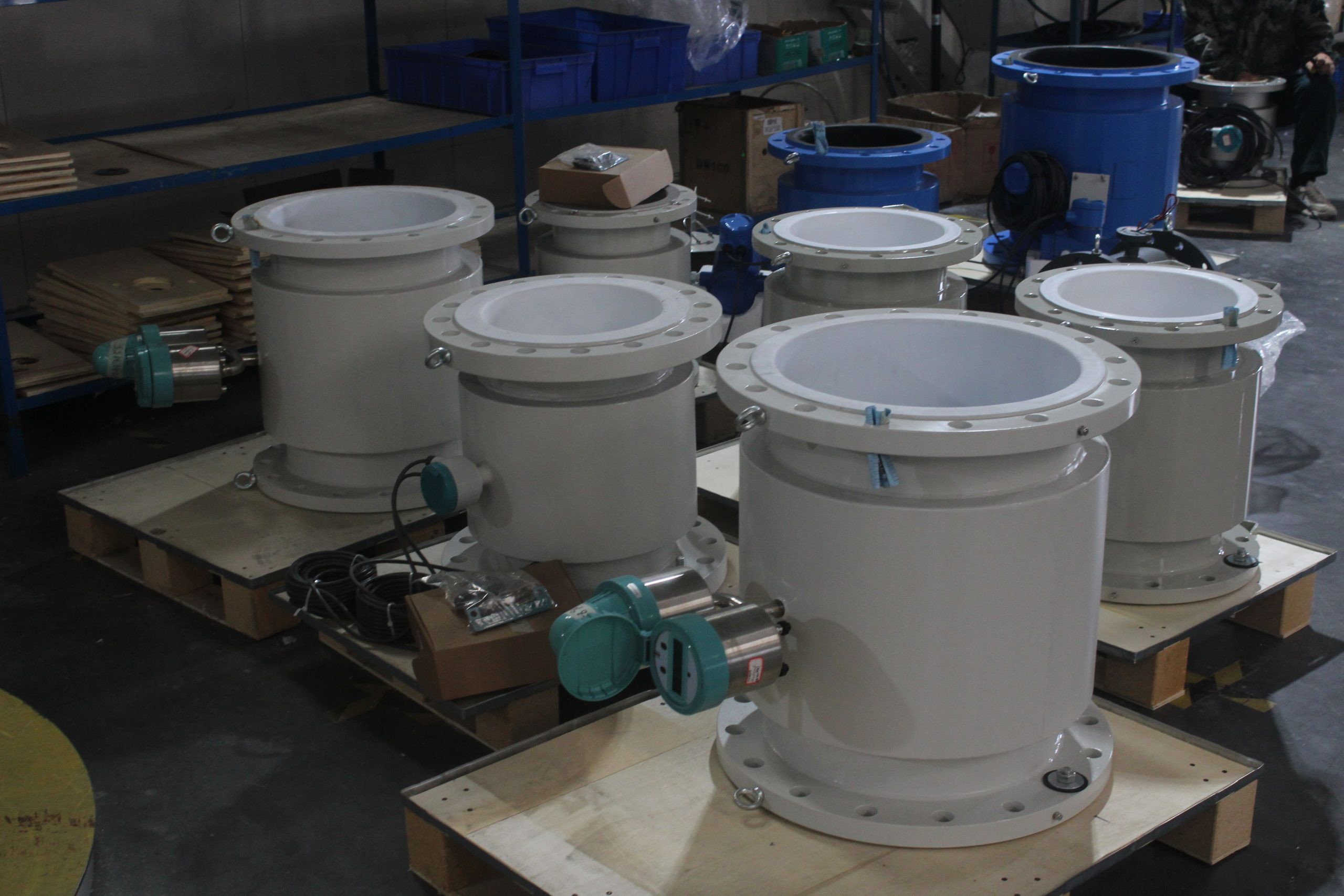
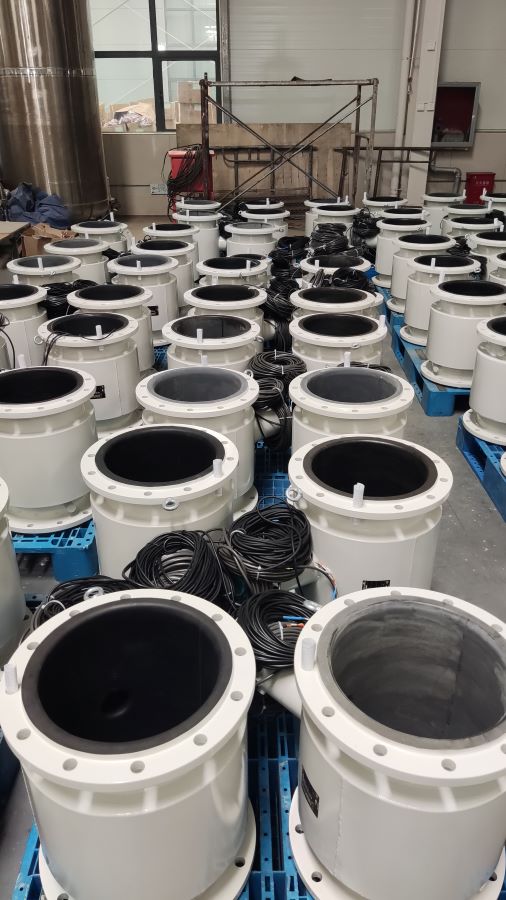
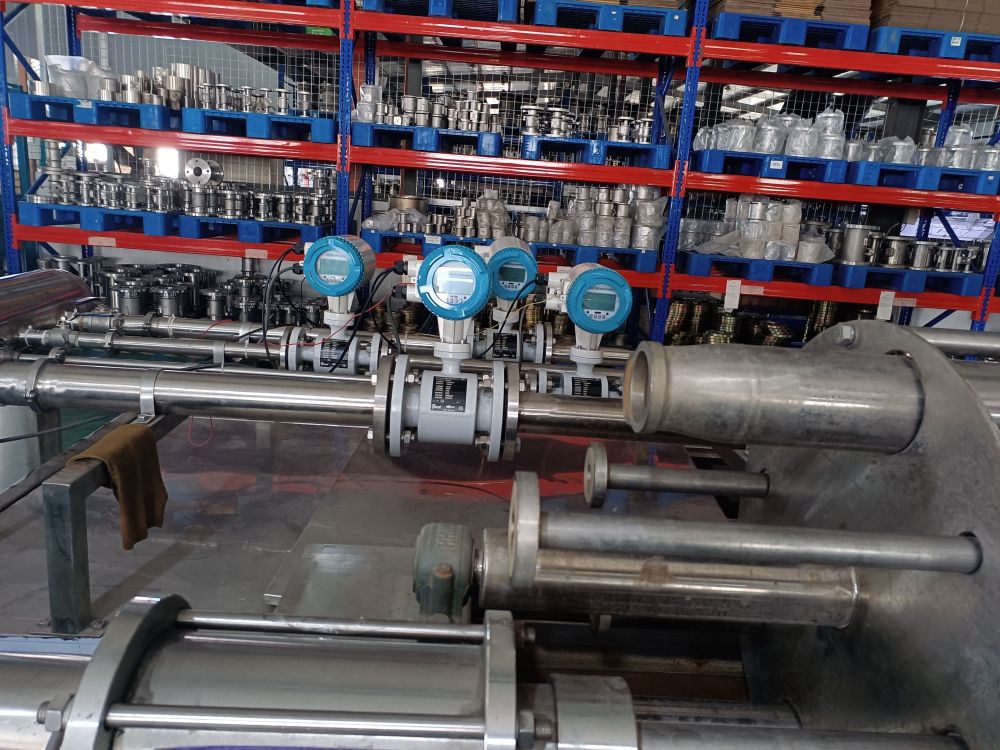
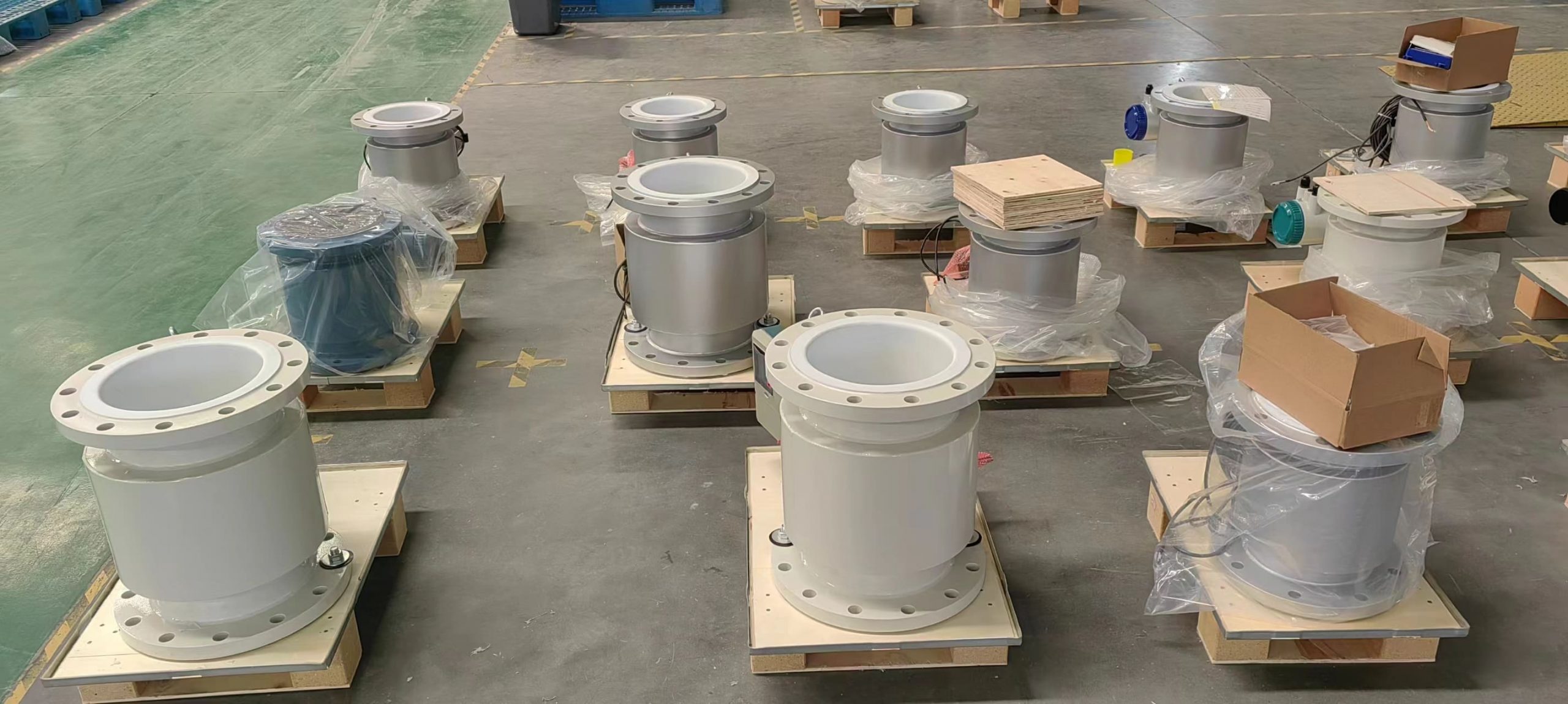
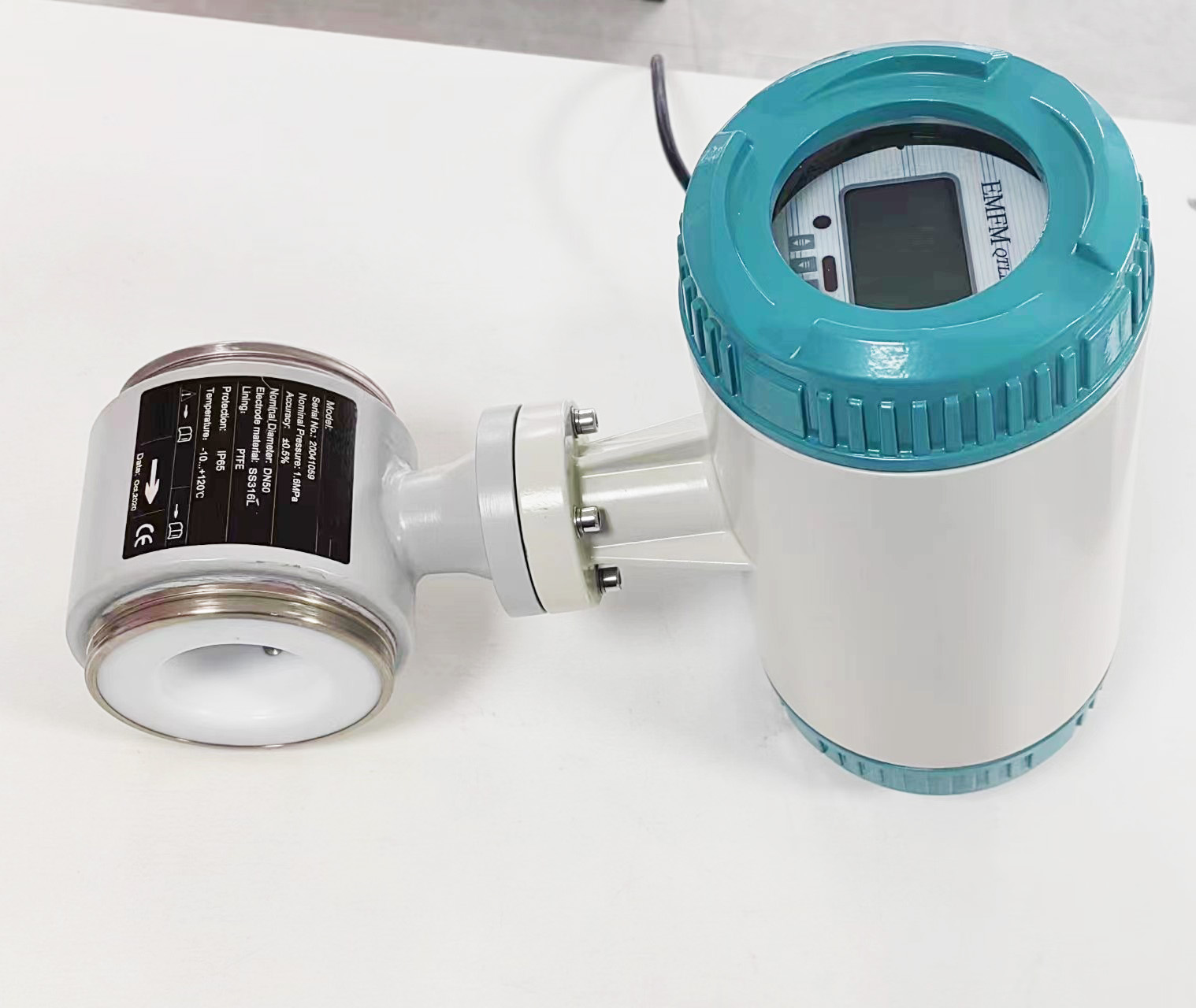
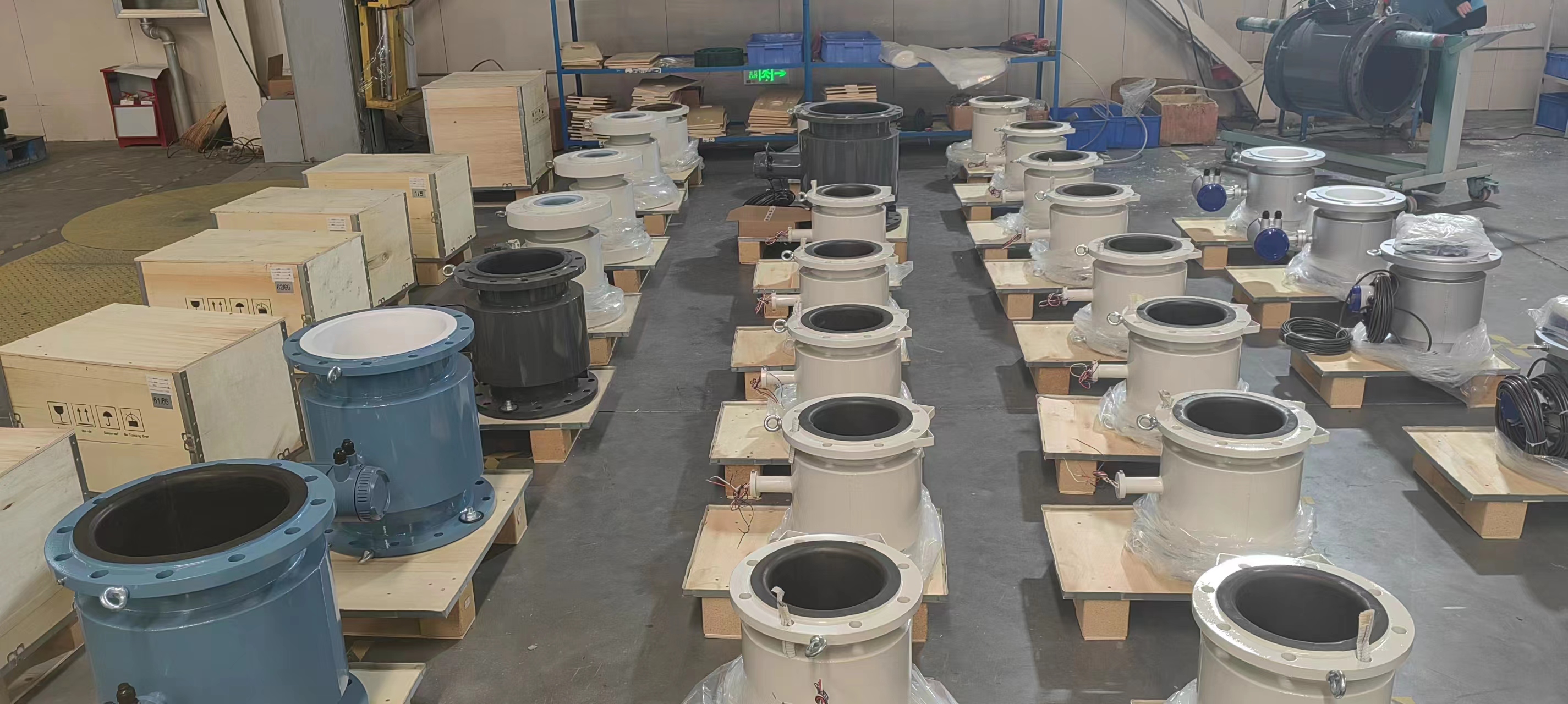
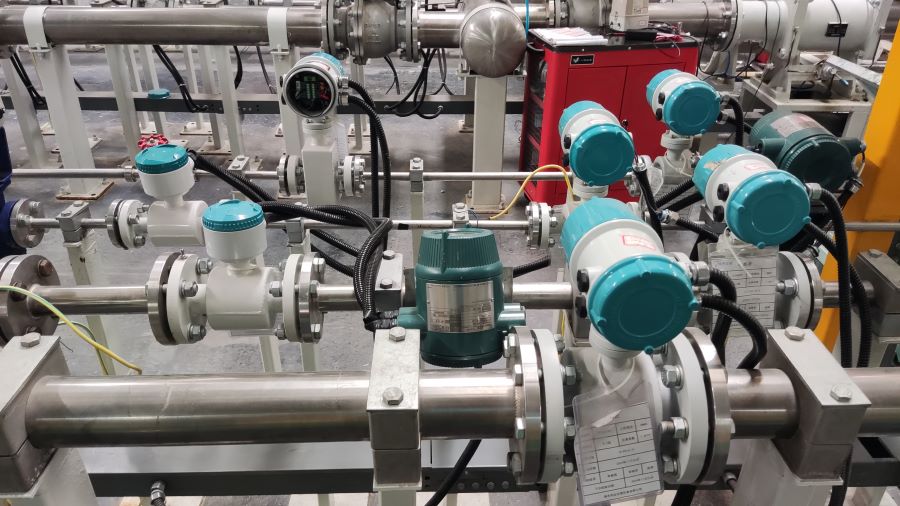
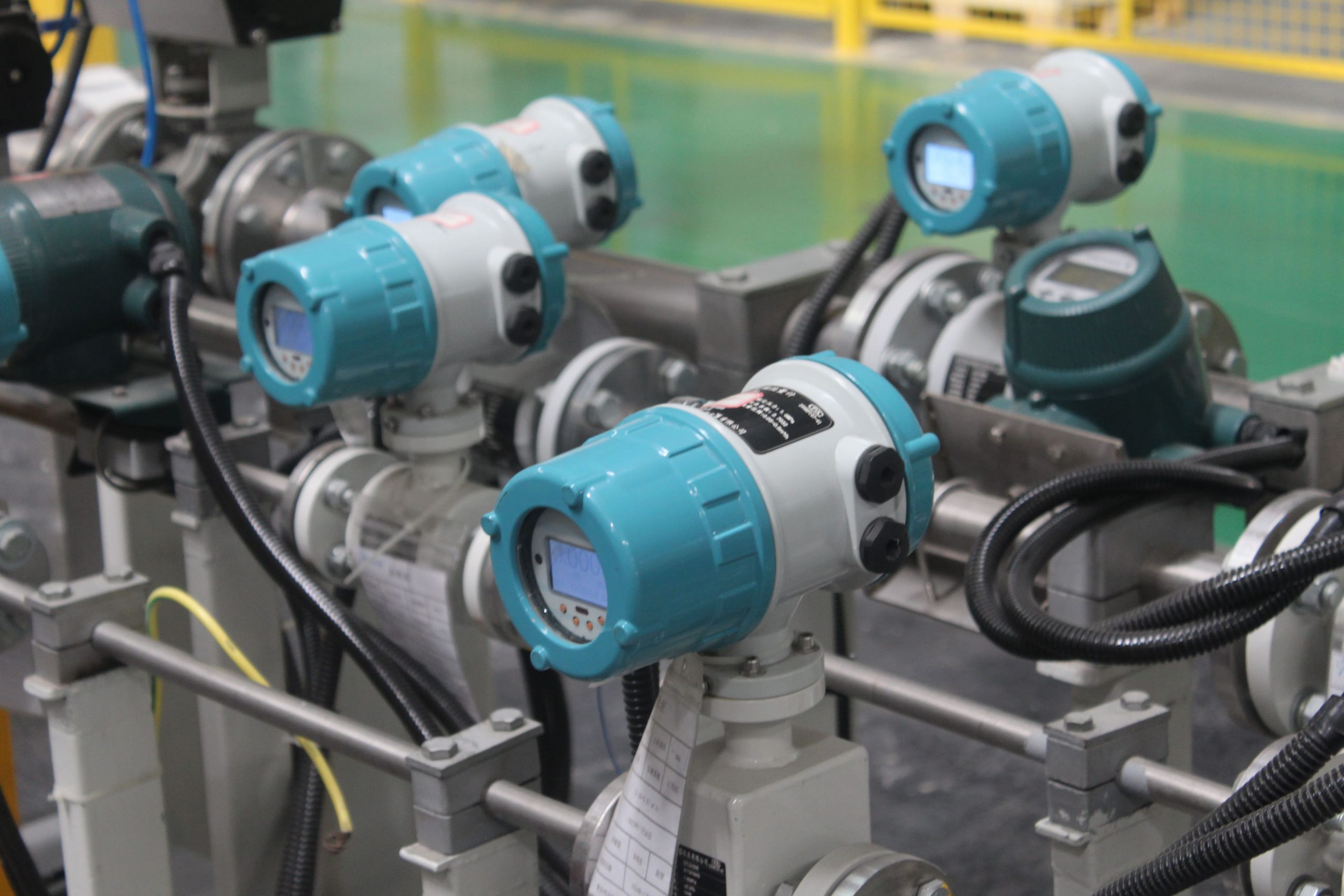
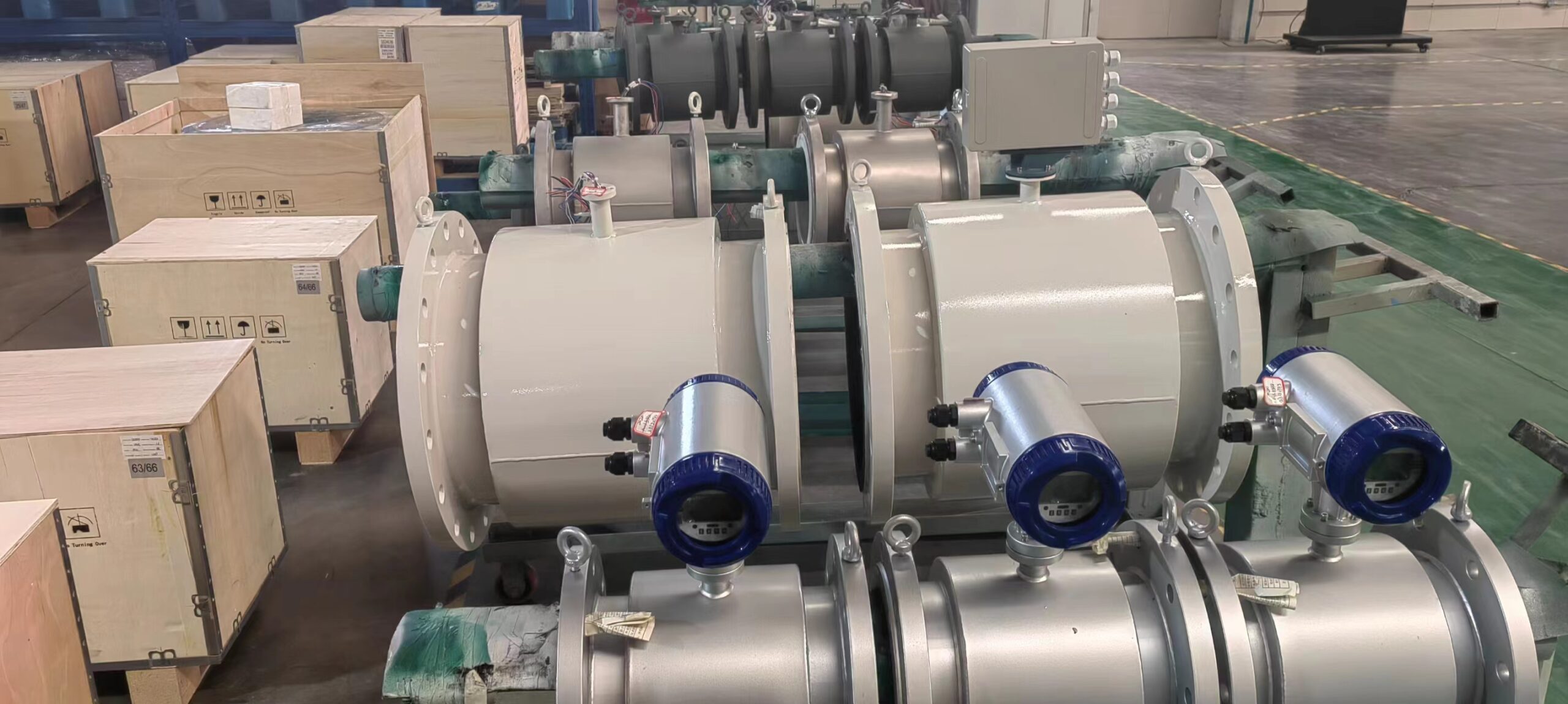
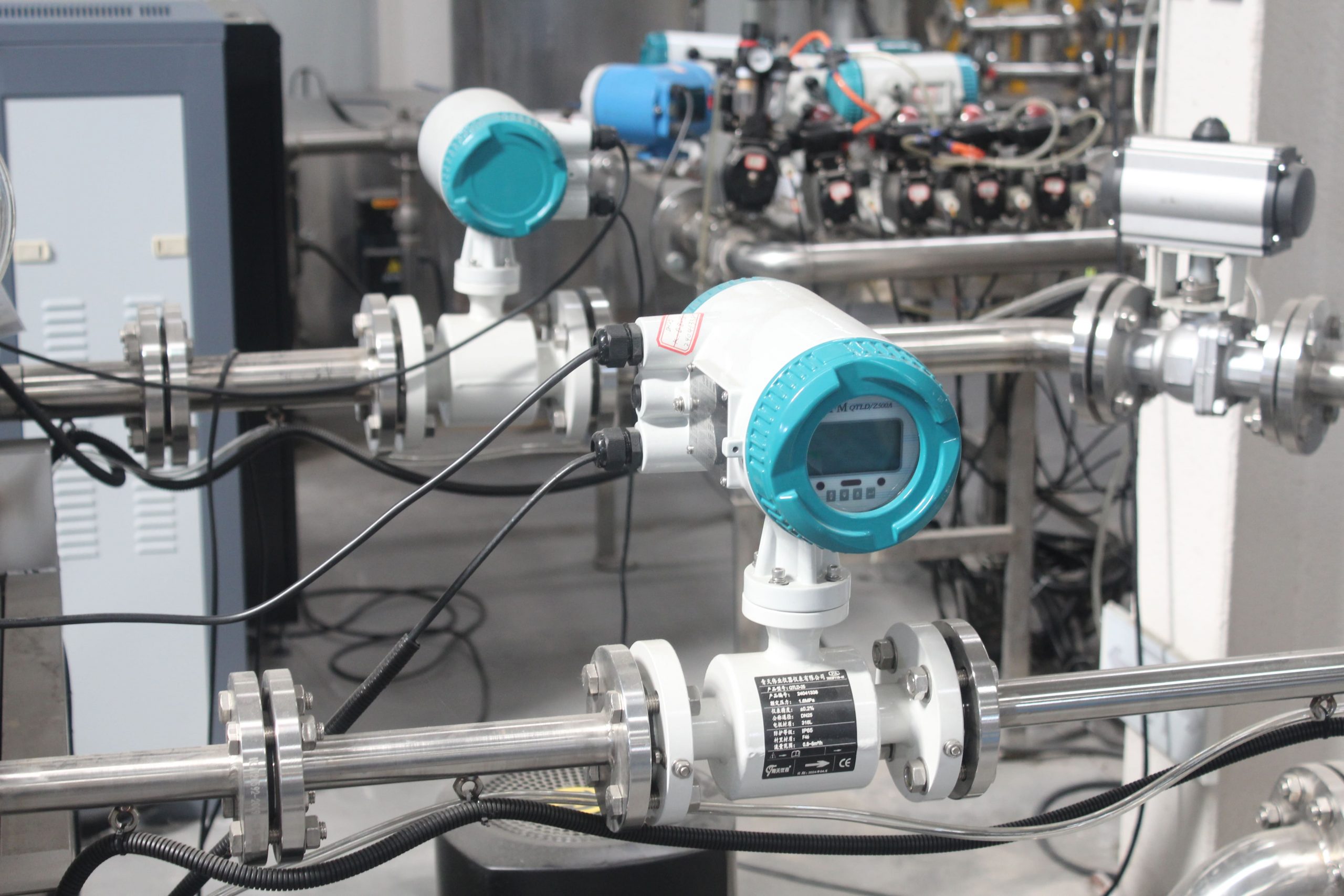
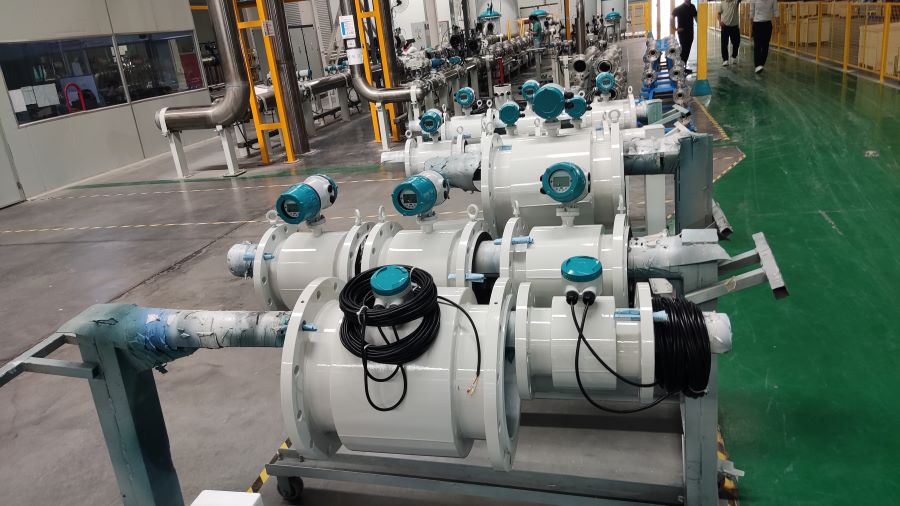
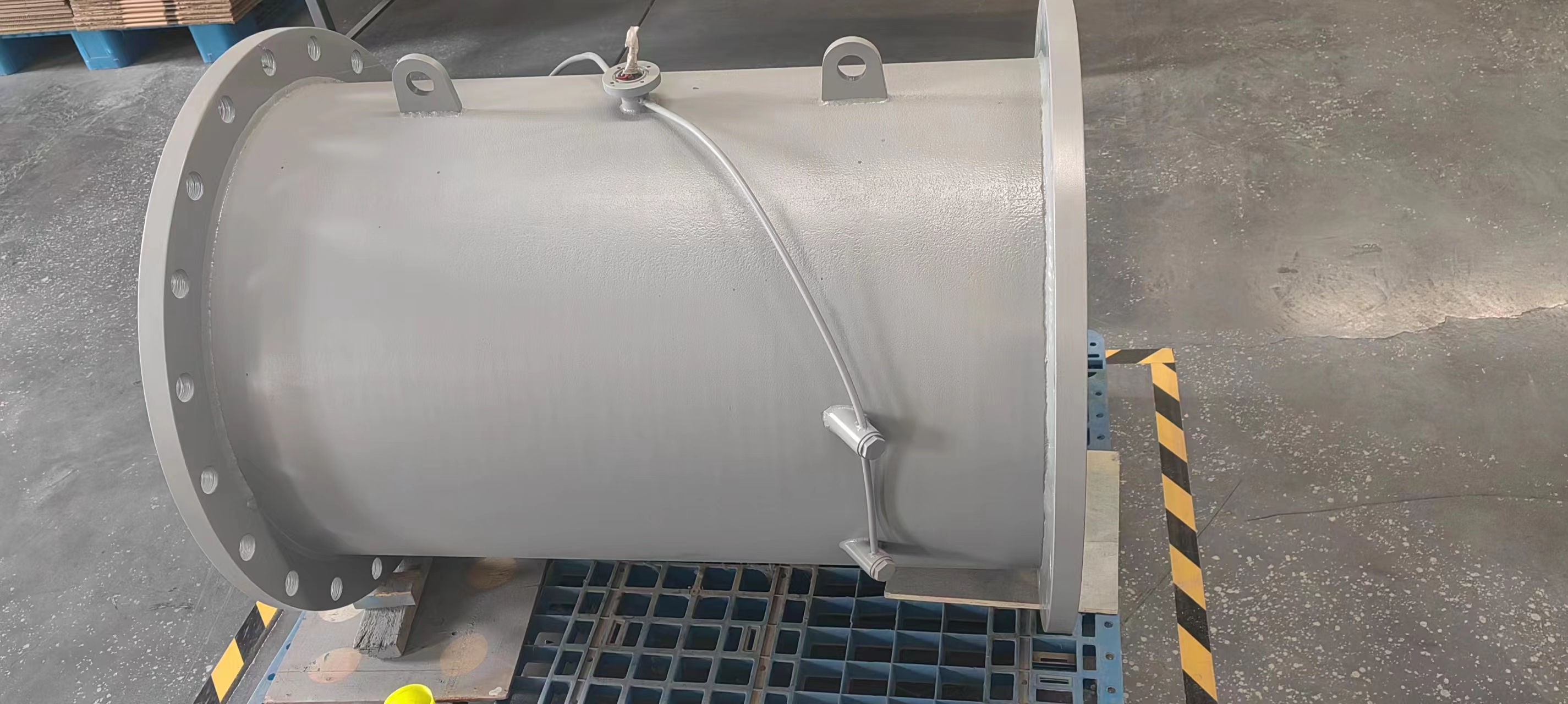
    Electromagnetic flowmeter is a speed meter to measure the volume flow of conductive media. While carrying out on-site monitoring and display, it can output standard current signals for recording, adjustment and control, realizing automatic control of detection, and realizing long-distance transmission of signals. It can be widely used in water, chemical, coal, environmental protection, textile, metallurgy, paper and other industries in the flow measurement of conductive liquid. The structure of the instrument has one type and one type.

    Performance Technical parameter
    Size DN3-DN3000mm
    Nominal Pressure 0.6-1.6Mpa(2.5Mpa/4.0Mpa/6.4Mpa…Max 42Mpa)
    Accuracy +/-0.5%(Standard)     +/-0.3% or +/-0.2%(Optional)
    Liner PTFE, Neoprene, Hard Rubber, EPDM, FEP, Polyurethane, PFA
    Electrode SUS316L, Hastelloy B, Hastelloy C       Titanium, Tantalum, Platinium-iridium
    Structure Type Integral type, remote type, submersible type, ex-proof type
    Medium Temperature -20~+60 degC(Integral type)
    Remote type ( Neoprene ,Hard Rubber ,Polyurethane ,EPDM) -10~+80degC
    Remote type(PTFE/PFA/FEP) -10~+160degC
    Ambient Temperature -20~+60deg C
    Ambient Humidity 5-100%RH(relative humidity)
    Measuring Range Max 15m/s
    Conductivity >5us/cm
    Protection Class IP65(Standard); IP68(Optional for remote type)
    Process Connection Flange (Standard), Wafer, Thread, Tri-clamp etc (Optional)
    Output Signal 4-20mA/Pulse
    Communication RS485(Standard), HART(Optional),GPRS/GSM (Optional)
    Power Supply AC220V (can be used for AC85-250V)
    DC24V (can be used for DC20-36V)
    DC12V (optional), Battery Powered 3.6V (optional)
    Power Consumption <20W Alarm Upper Limit Alarm / Lower Limit Alarm Self-diagnosis Empty Pipe Alarm, Exciting Alarm Explosion Proof ATEX