Home » Flow Meter » Electromagnetic Flow Meter » What should I do if the indicated value of the electromagnetic flowmeter is unstable?

What should I do if the indicated value of the electromagnetic flowmeter is unstable?

The reasons for this situation may be that the mechanical zero point of the electromagnetic flowmeter is set, the error is corrected, various technical and on-site requirements are not paid attention to

Rated 4.9/5 based on 541 customer reviews
Share:
Content

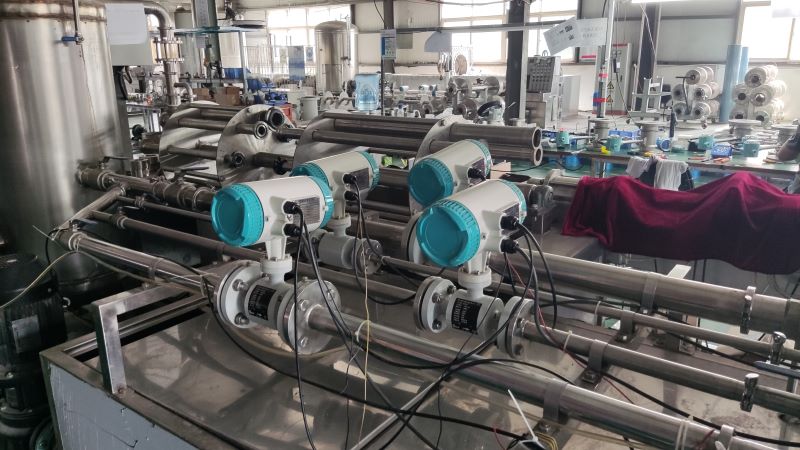
The reasons for this situation may be that the mechanical zero point of the electromagnetic flowmeter is set, the error is corrected, various technical and on-site requirements are not paid attention to, the sensor is set at an incorrect position, the length of the straight pipe sections before and after the sensor is incorrect, the liquid does not meet the requirements of the entire pipeline, or during the process of the converter parameter change, such as the electrode resistance and insulation resistance of a large number of bubbles The fluid flow in the pipeline does not meet the measurement requirements. Inspection and handling can be carried out in the following ways.

Compare the historical data of the measuring instrument with the measurement results of other types of flowmeters, and make certain estimations based on the materials of the entire process to ensure that the data during the process is basically the same as that of the measuring instrument, which is convenient for the instrument maintenance worker to judge and handle faults.

2. When the electromagnetic flowmeter detects incorrect measurement data, first check whether the sensor and the converter are consistent, and determine whether the diameter, range, unit, etc. are correctly set. The zero point of the converter can be checked for a large value by inputting an analog signal.

3. Check whether the connection between the line and the port is loose and whether the zero grounding between the wire and the electromagnetic shield complies with the process standards. Use a multimeter to measure the insulation resistance of the electrode. The sensor needs to be powered off. First, remove the sensor, drain the liquid in the pipeline, clean the lining, and measure the resistance values of the two electrodes and the flange with a multimeter.

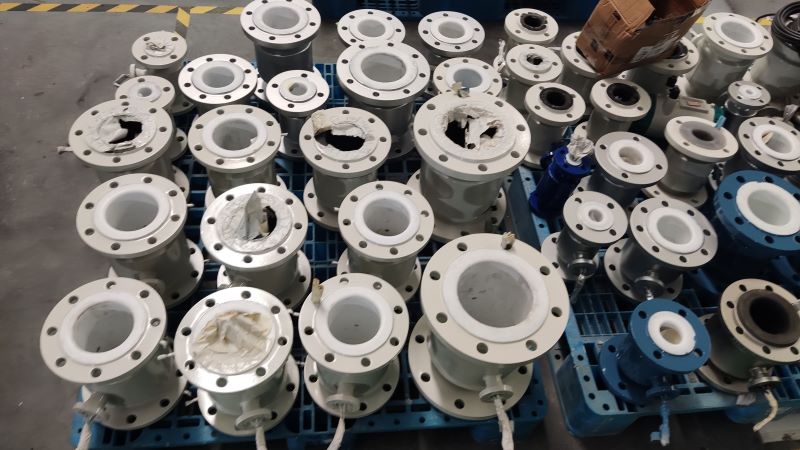
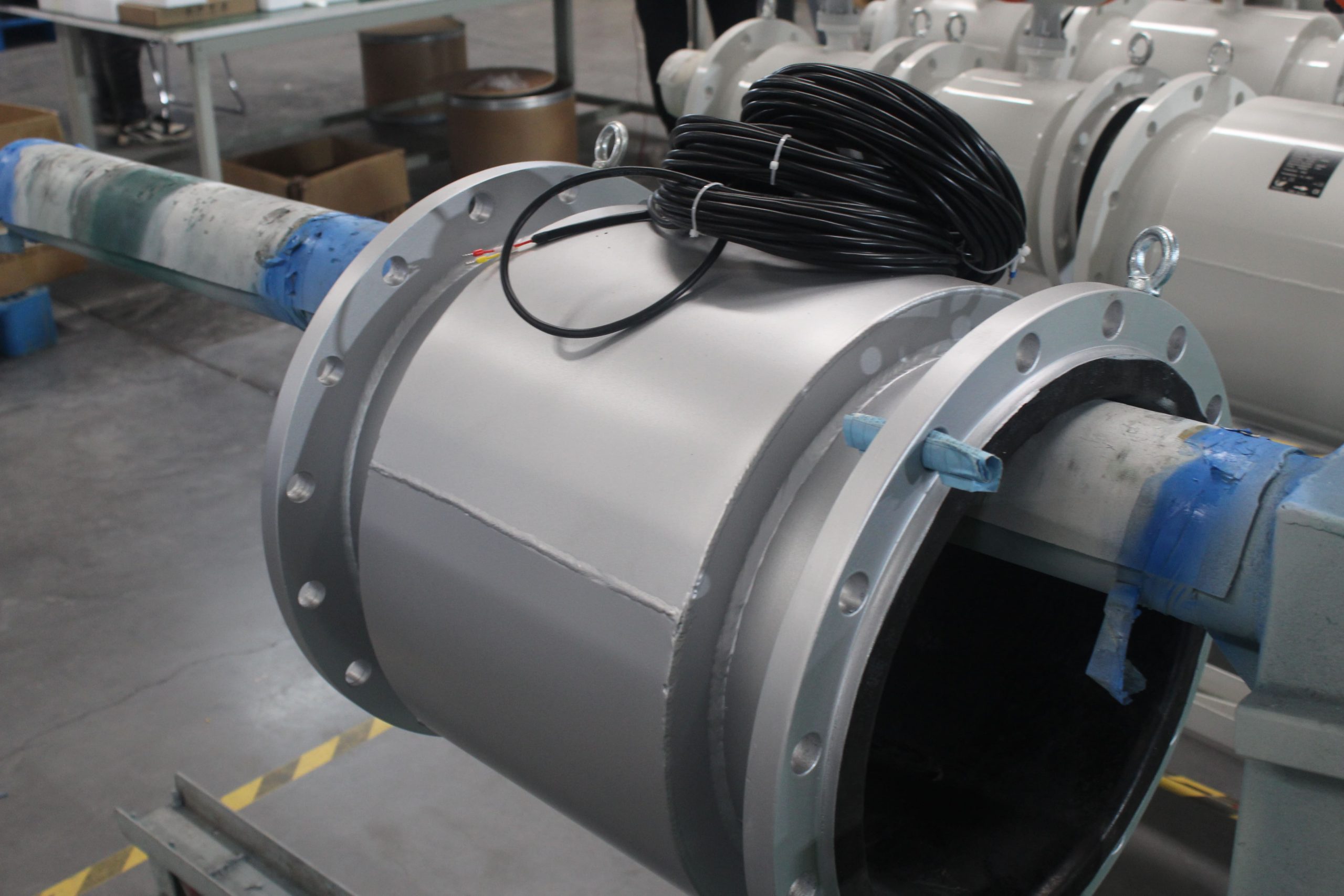
4. The sensor of the electromagnetic flowmeter is greatly affected by the process medium. When disassembling the sensor, it is necessary to clean and tidy the inner wall of the sensor, and carefully check whether there are burrs, protrusions and garbage on the inner wall. This will reduce the insulation resistance of the electrode and be measured.
Inquiry


    More Electromagnetic Flow Meter

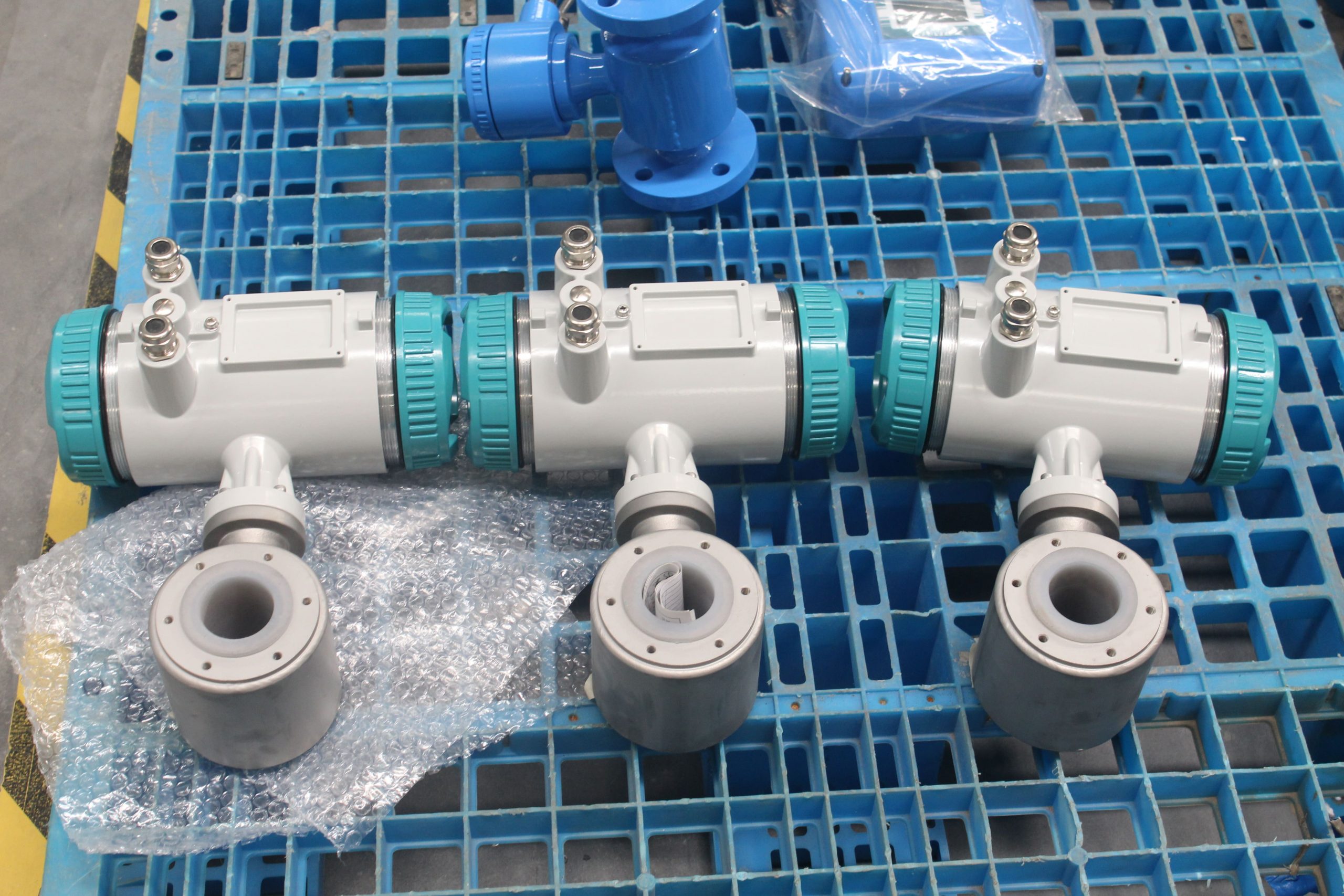
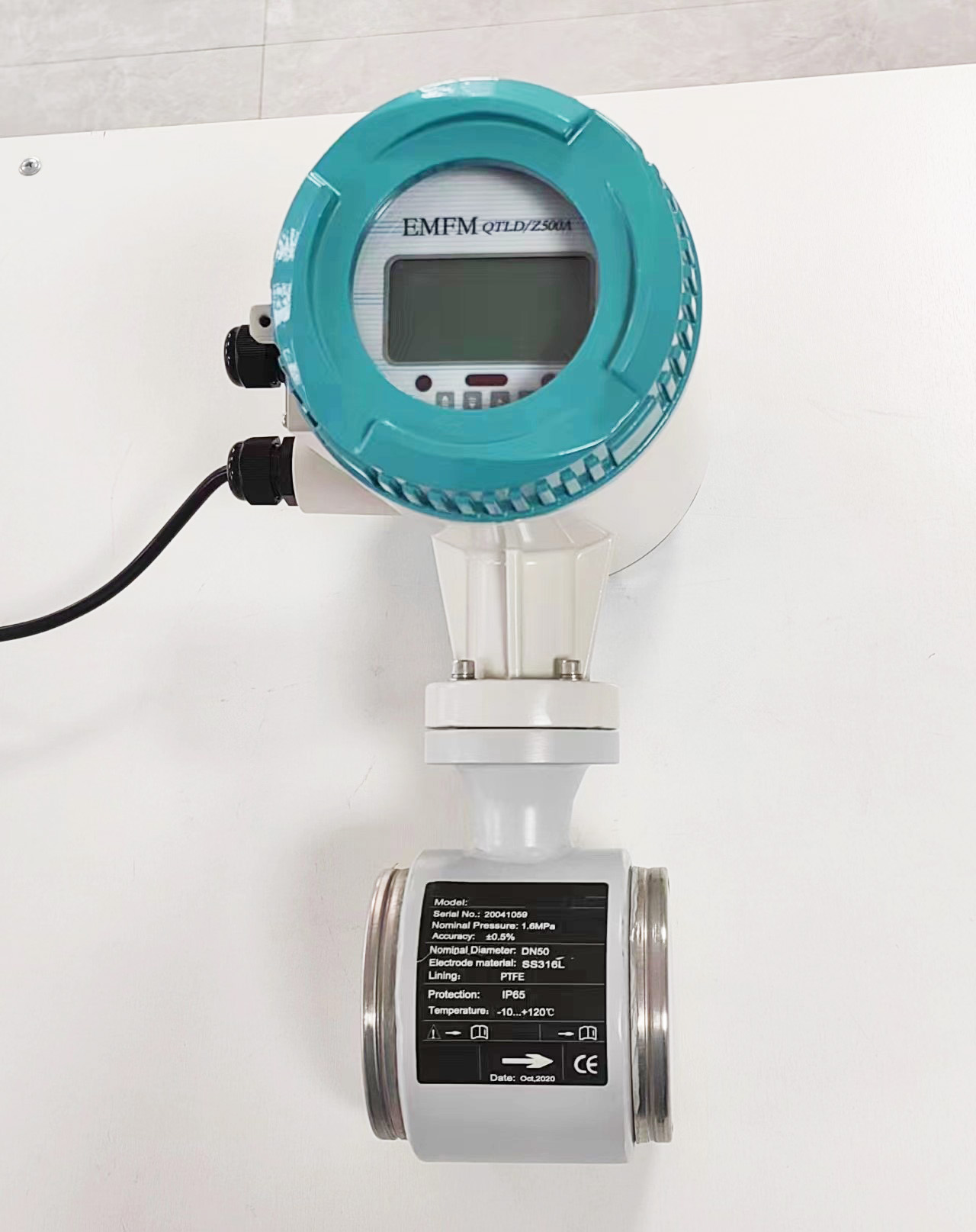
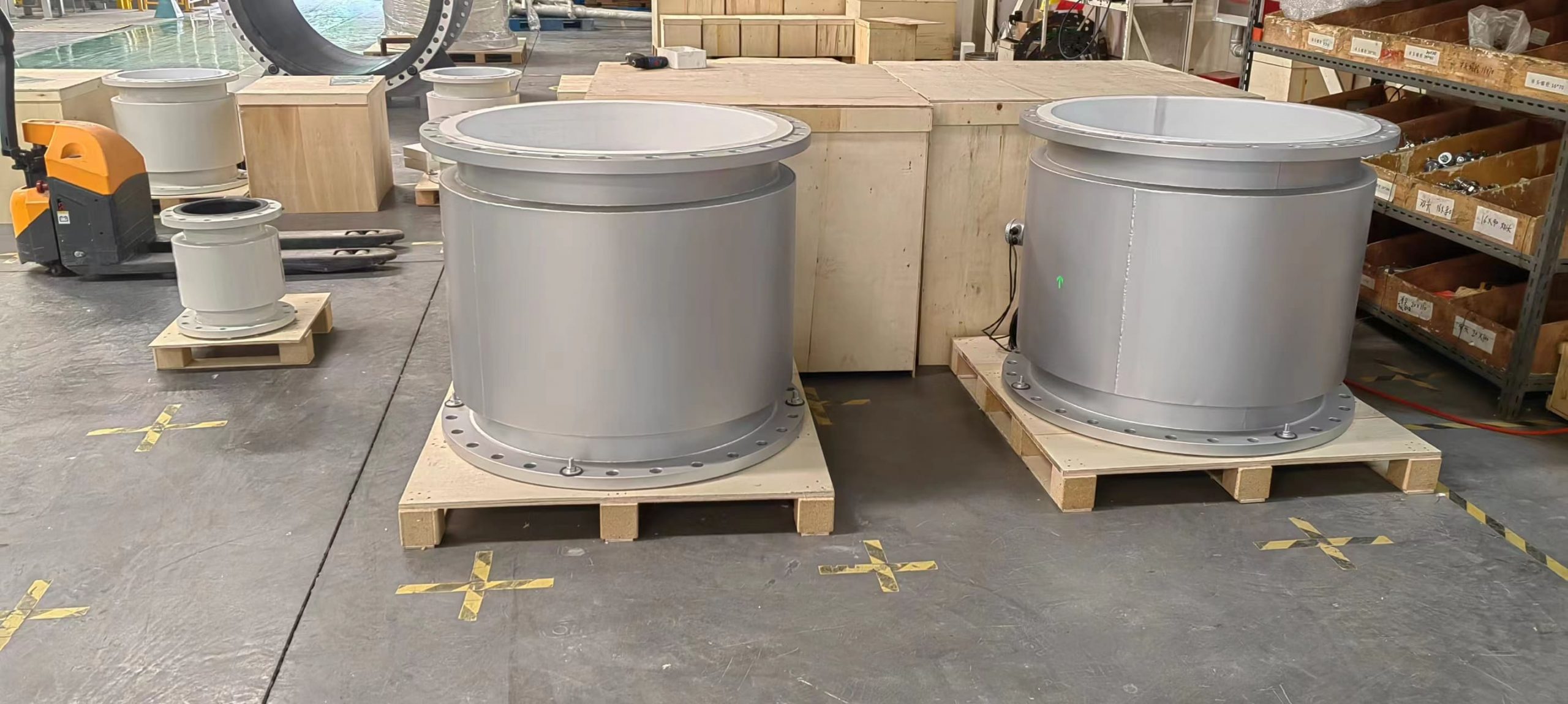
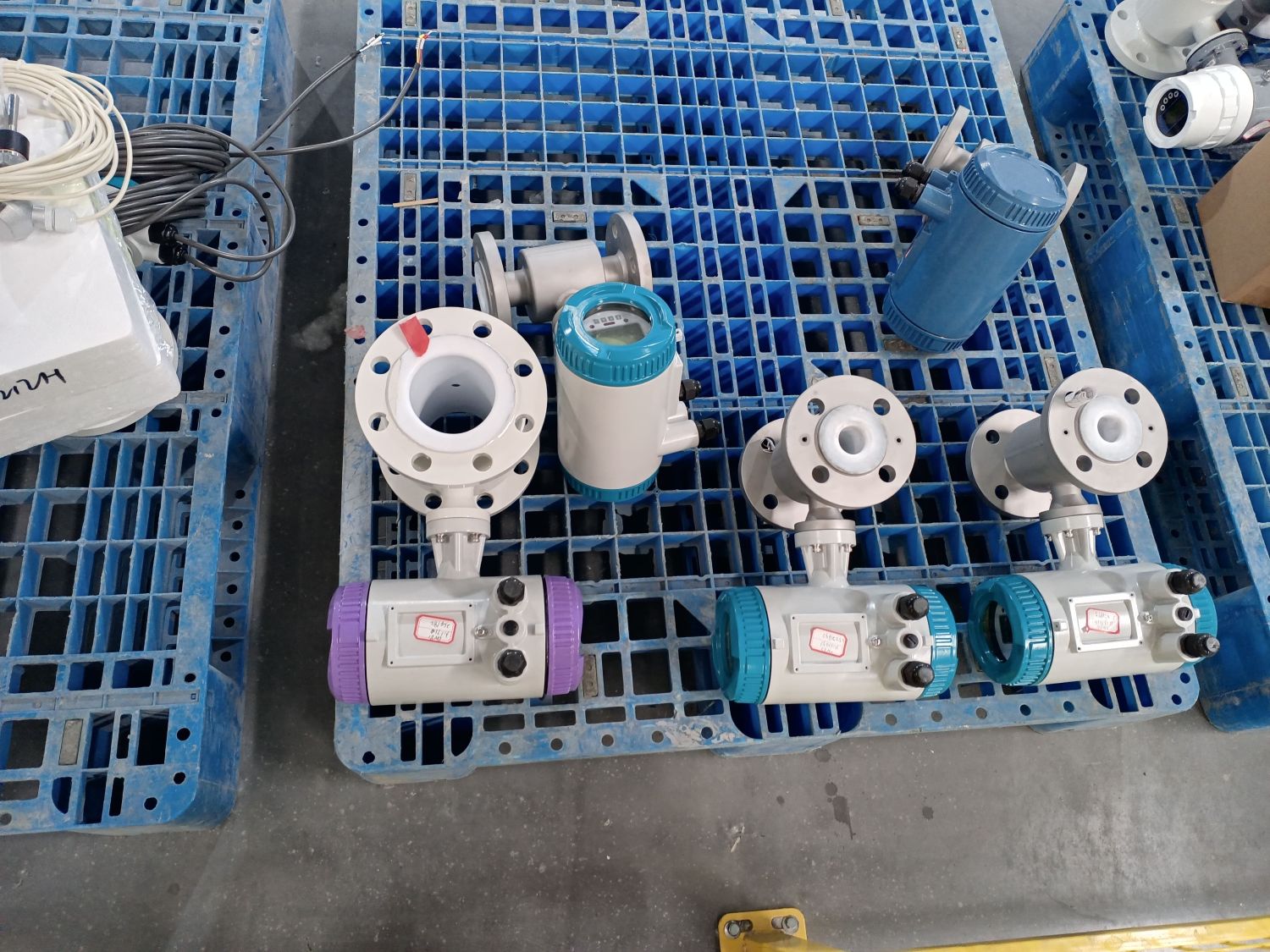
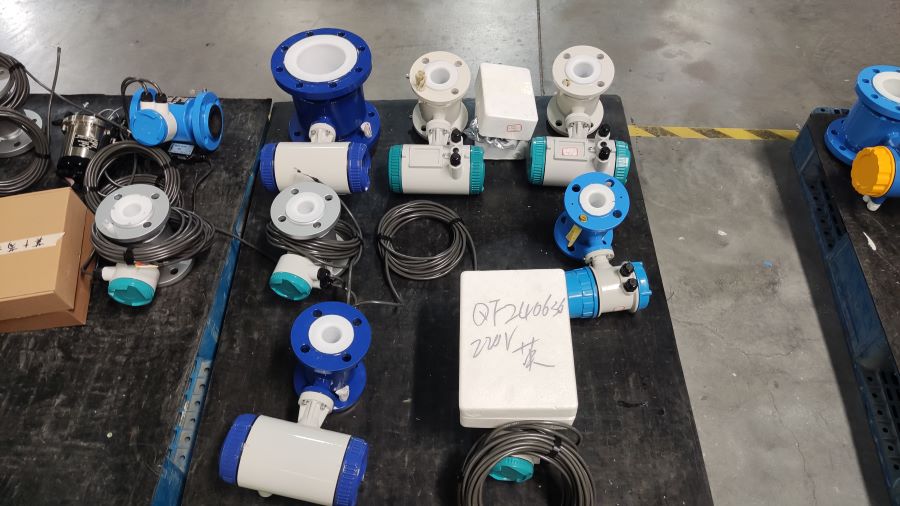
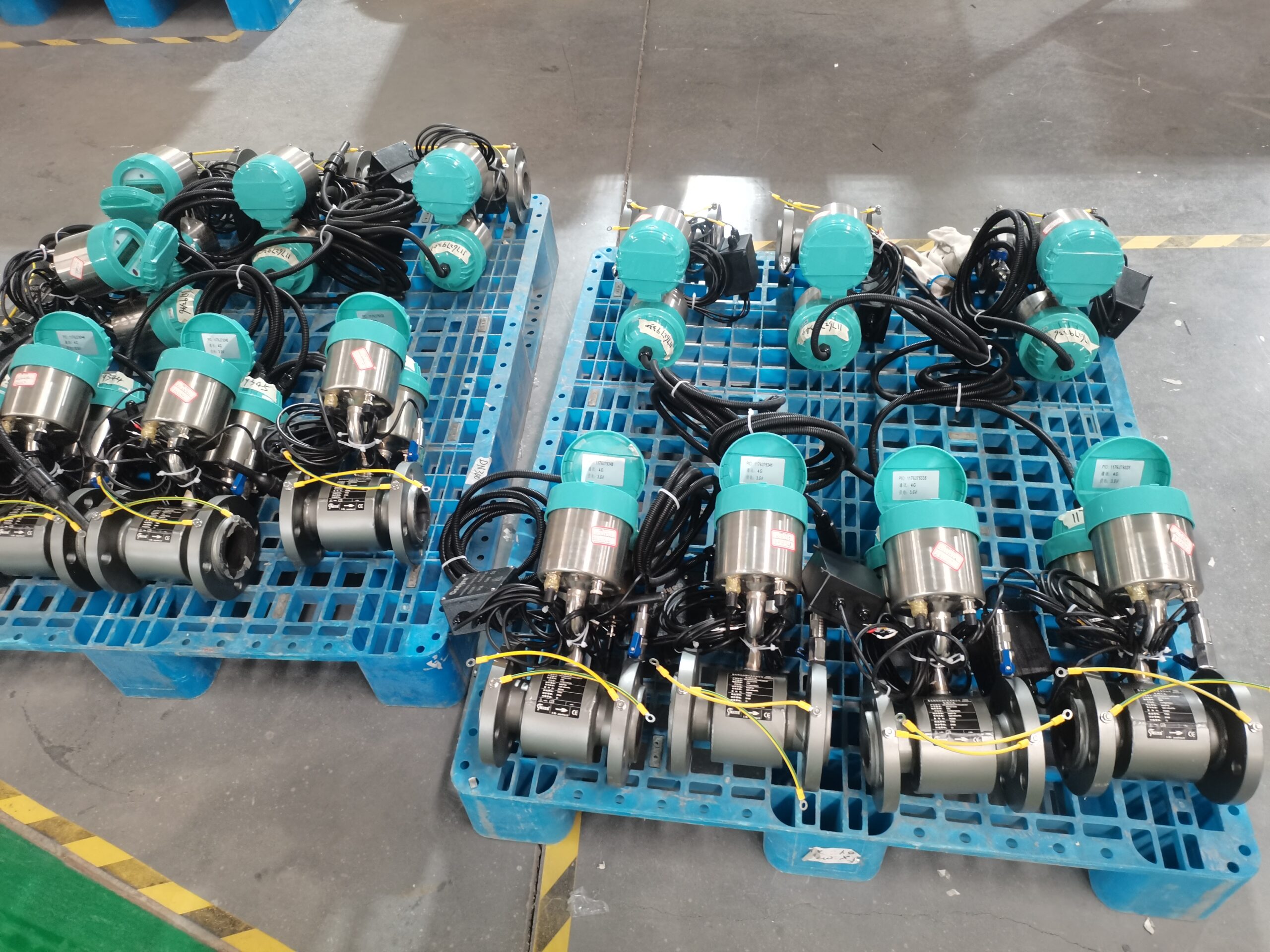
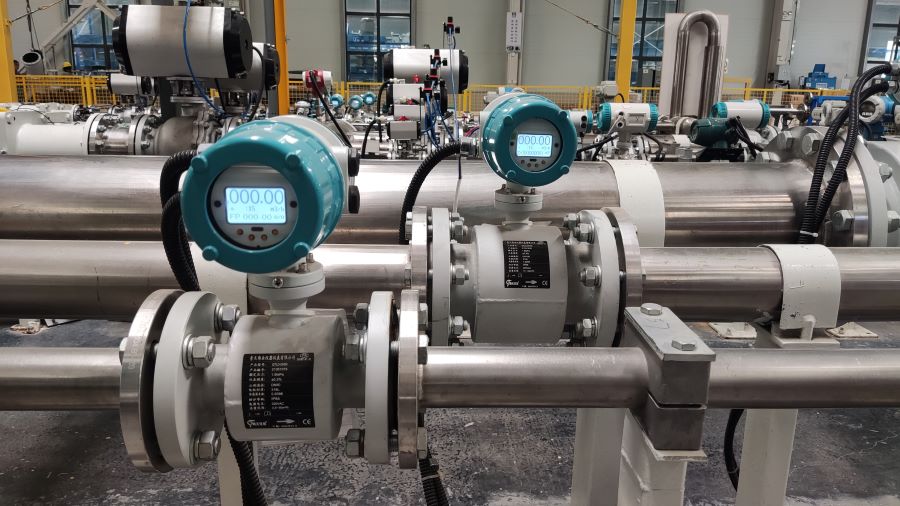
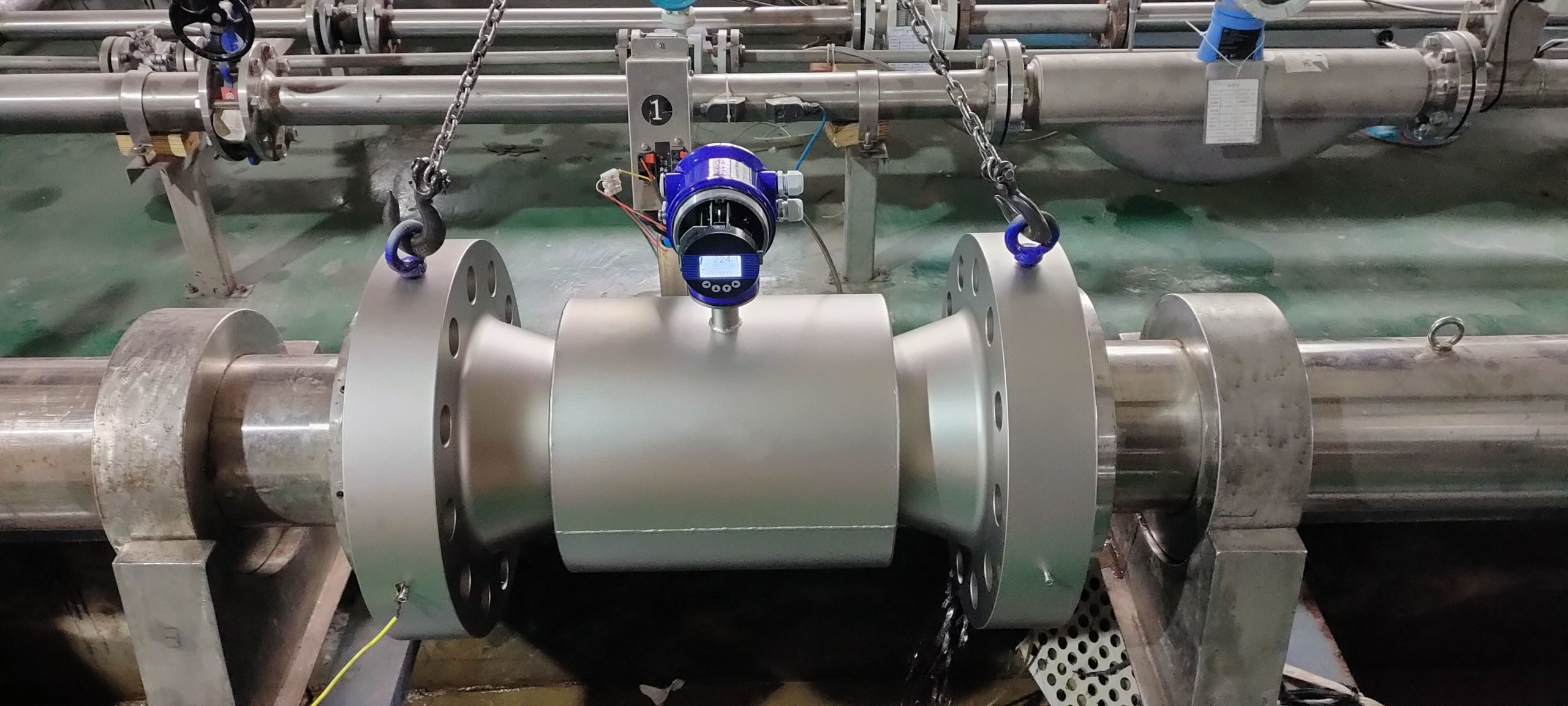
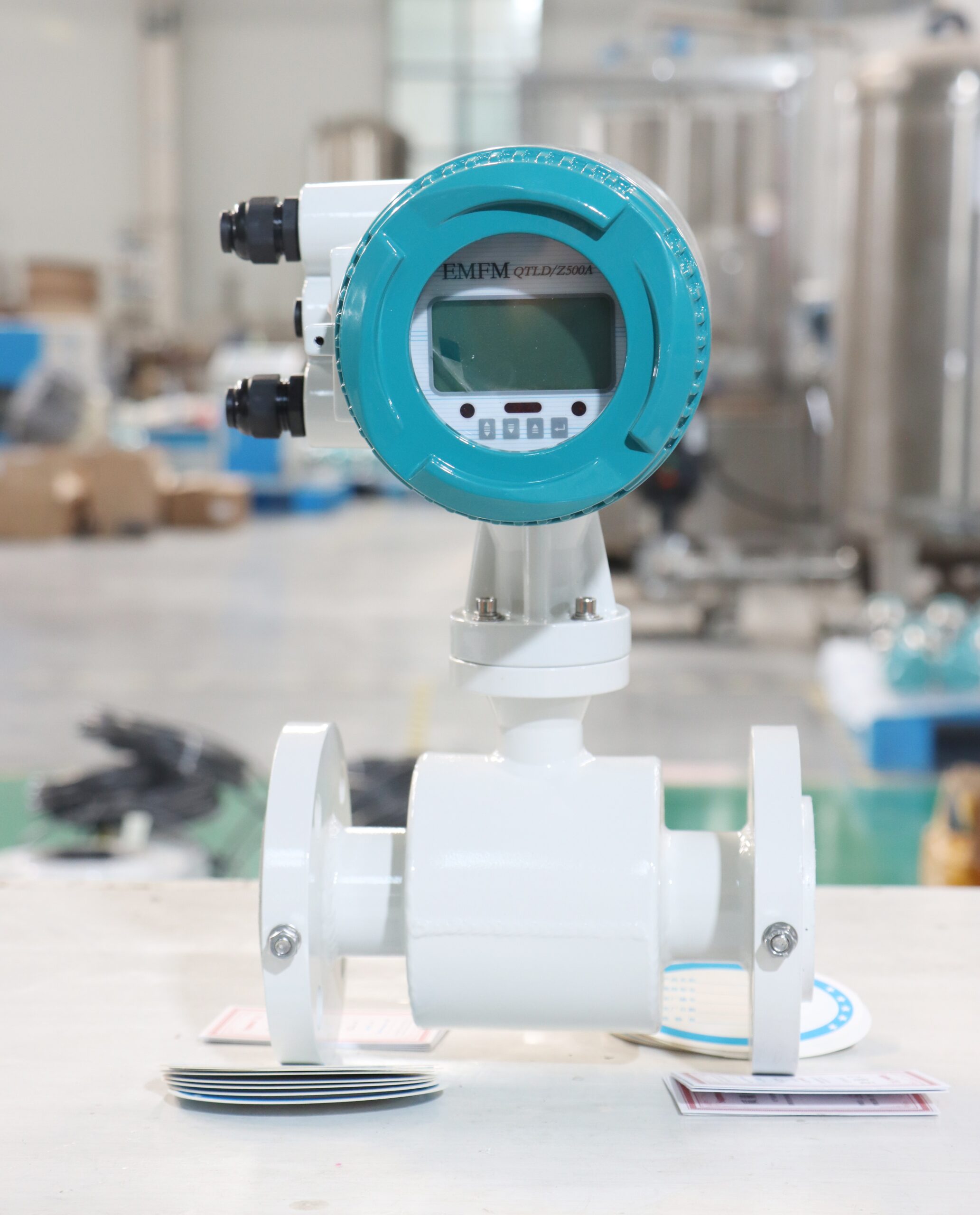
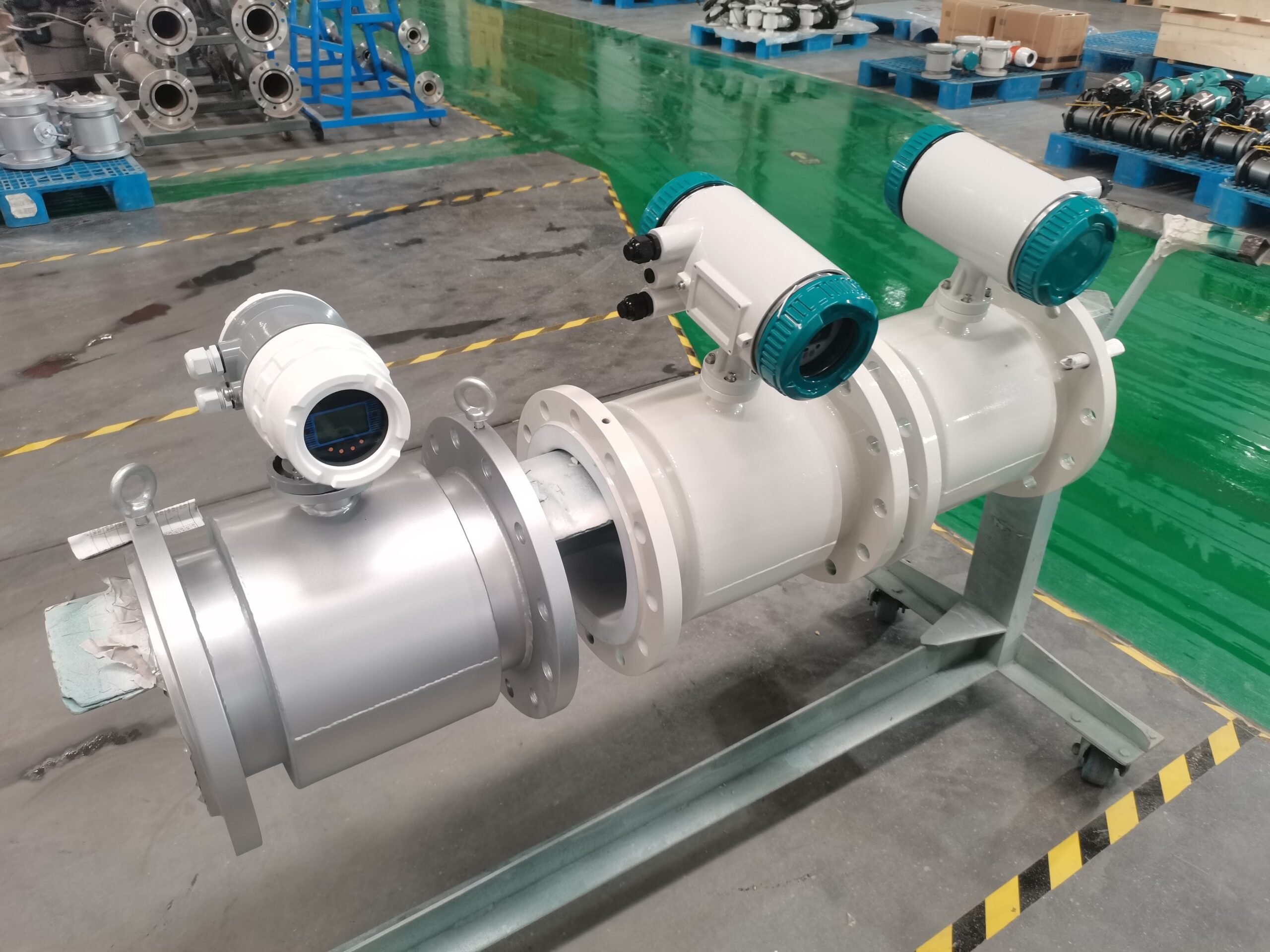
    Electromagnetic flowmeter is a speed meter to measure the volume flow of conductive media. While carrying out on-site monitoring and display, it can output standard current signals for recording, adjustment and control, realizing automatic control of detection, and realizing long-distance transmission of signals. It can be widely used in water, chemical, coal, environmental protection, textile, metallurgy, paper and other industries in the flow measurement of conductive liquid. The structure of the instrument has one type and one type.

    Performance Technical parameter
    Size DN3-DN3000mm
    Nominal Pressure 0.6-1.6Mpa(2.5Mpa/4.0Mpa/6.4Mpa…Max 42Mpa)
    Accuracy +/-0.5%(Standard)     +/-0.3% or +/-0.2%(Optional)
    Liner PTFE, Neoprene, Hard Rubber, EPDM, FEP, Polyurethane, PFA
    Electrode SUS316L, Hastelloy B, Hastelloy C       Titanium, Tantalum, Platinium-iridium
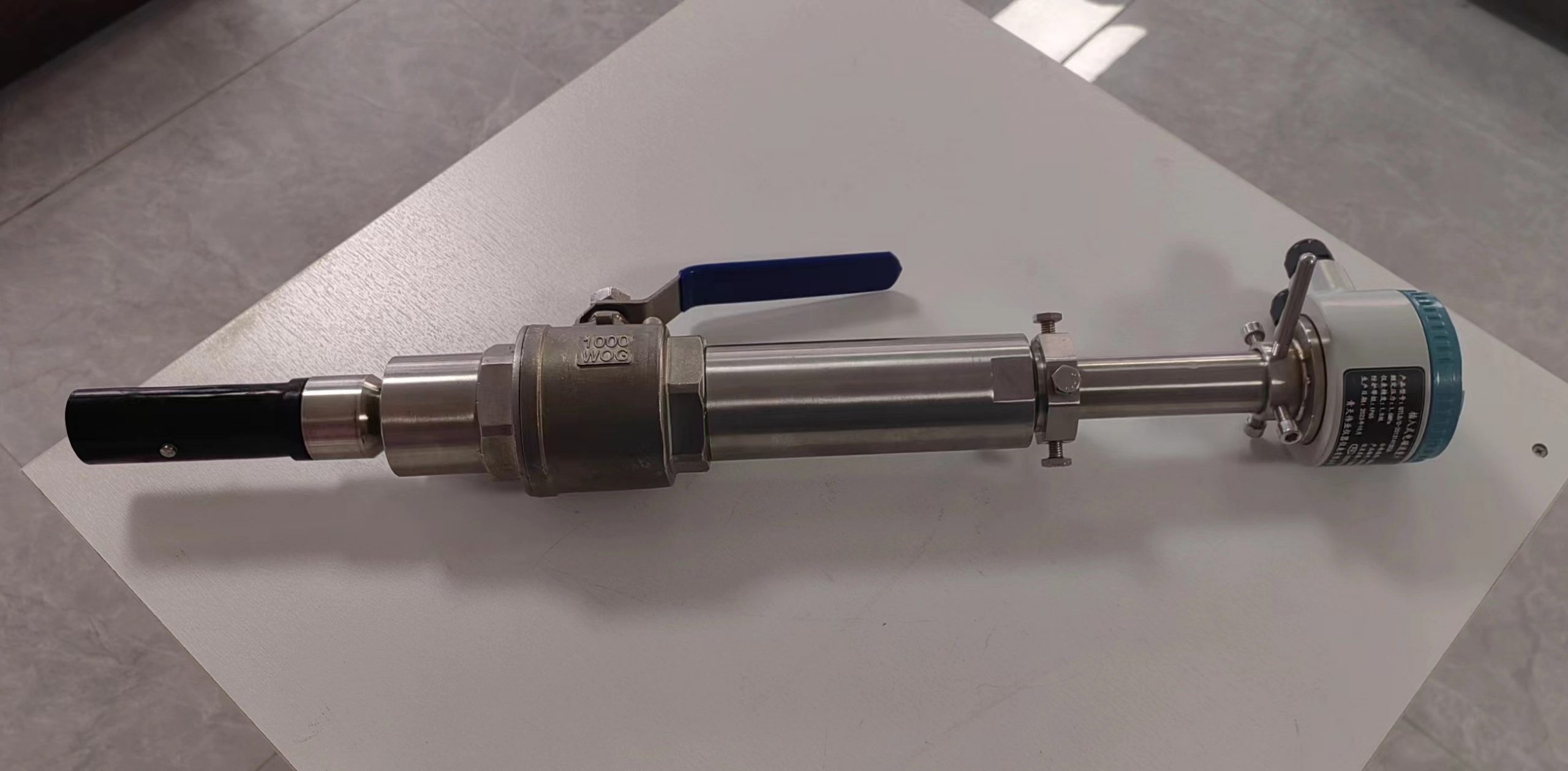
    Structure Type Integral type, remote type, submersible type, ex-proof type
    Medium Temperature -20~+60 degC(Integral type)
    Remote type ( Neoprene ,Hard Rubber ,Polyurethane ,EPDM) -10~+80degC
    Remote type(PTFE/PFA/FEP) -10~+160degC
    Ambient Temperature -20~+60deg C
    Ambient Humidity 5-100%RH(relative humidity)
    Measuring Range Max 15m/s
    Conductivity >5us/cm
    Protection Class IP65(Standard); IP68(Optional for remote type)
    Process Connection Flange (Standard), Wafer, Thread, Tri-clamp etc (Optional)
    Output Signal 4-20mA/Pulse
    Communication RS485(Standard), HART(Optional),GPRS/GSM (Optional)
    Power Supply AC220V (can be used for AC85-250V)
    DC24V (can be used for DC20-36V)
    DC12V (optional), Battery Powered 3.6V (optional)
    Power Consumption <20W Alarm Upper Limit Alarm / Lower Limit Alarm Self-diagnosis Empty Pipe Alarm, Exciting Alarm Explosion Proof ATEX

    electromagnetic flowmeters have emerged as indispensable tools for industries that demand accurate and reliable flow measurements. Their advanced technology, coupled with the ability to operate in diverse environments and handle various conductive liquids, positions them as a preferred choice in applications ranging from water management to chemical processing. As technology continues to evolve, electromagnetic flowmeters are likely to witness further advancements, contributing to increased efficiency and precision in liquid flow measurement across different sectors.

    Size: DN3-DN3000mm
    Nominal Pressure: 0.6-1.6Mpa(2.5Mpa/4.0Mpa/6.4Mpa… Max 42Mpa)
    Accuracy: +/-0.5%(Standard) +/-0.3% or +/-0.2%(Optional)
    Liner: PTFE, Neoprene, Hard Rubber, EPDM, FEP, Polyurethane, PFA
    Electrode: SUS316L, Hastelloy B, Hastelloy C Titanium, Tantalum, Platinium-iridium
    Structure Type: Integral type, remote type, submersible type, ex-proof type
    Medium Temperature: -20~+60 degC(Integral type)
    Remote type ( Neoprene ,Hard Rubber ,Polyurethane ,EPDM) -10~+80degC
    Remote type(PTFE/PFA/FEP) -10~+160degC
    Ambient Temperature: -20~+60deg C
    Ambient Humidity: 5-100%RH(relative humidity)
    Measuring Range: Max 15m/s
    Conductivity: >5us/cm
    Protection Class: IP65(Standard); IP68(Optional for remote type)
    Process Connection: Flange (Standard), Wafer, Thread, Tri-clamp etc (Optional)
    Output Signal: 4-20mA/Pulse
    Communication: RS485(Standard), HART(Optional),GPRS/GSM (Optional)
    Power Supply: AC220V (can be used for AC85-250V)
    DC24V (can be used for DC20-36V)
    DC12V (optional), Battery Powered 3.6V (optional)
    Power Consumption: <20W Alarm: Upper Limit Alarm / Lower Limit Alarm Self-diagnosis: Empty Pipe Alarm, Exciting Alarm Explosion Proof: ATEX