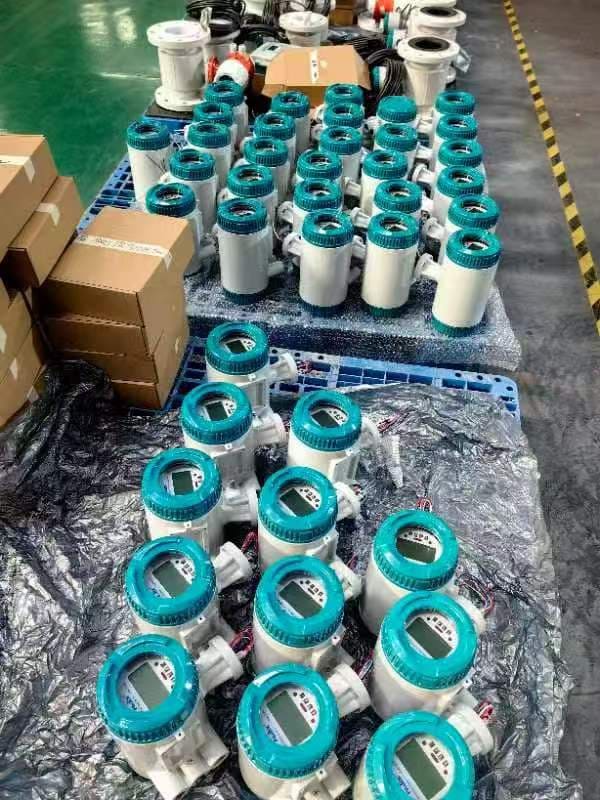
What are the requirements for the working temperature of electromagnetic flowmeters
The temperature resistance range of electromagnetic flowmeters usually depends on their design and application environment. According to the provided information, the temperature resistance range of electromagnetic flowmeters varies:
Under normal circumstances, the temperature resistance range of electromagnetic flowmeters is generally from -20℃ to 60℃.
2. Special models: Some special models of electromagnetic flowmeters have a wider temperature resistance range, such as -30℃ to +180℃.
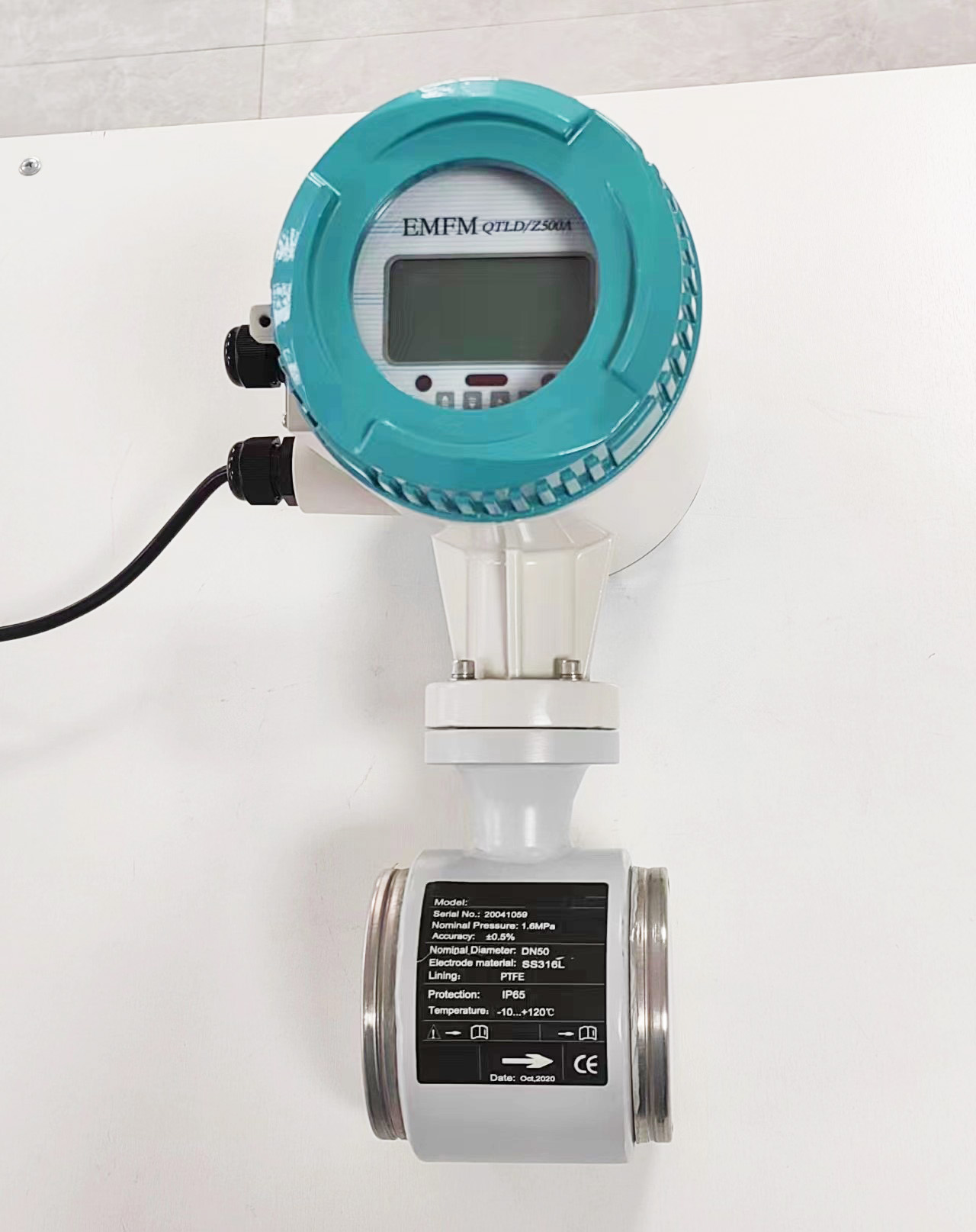
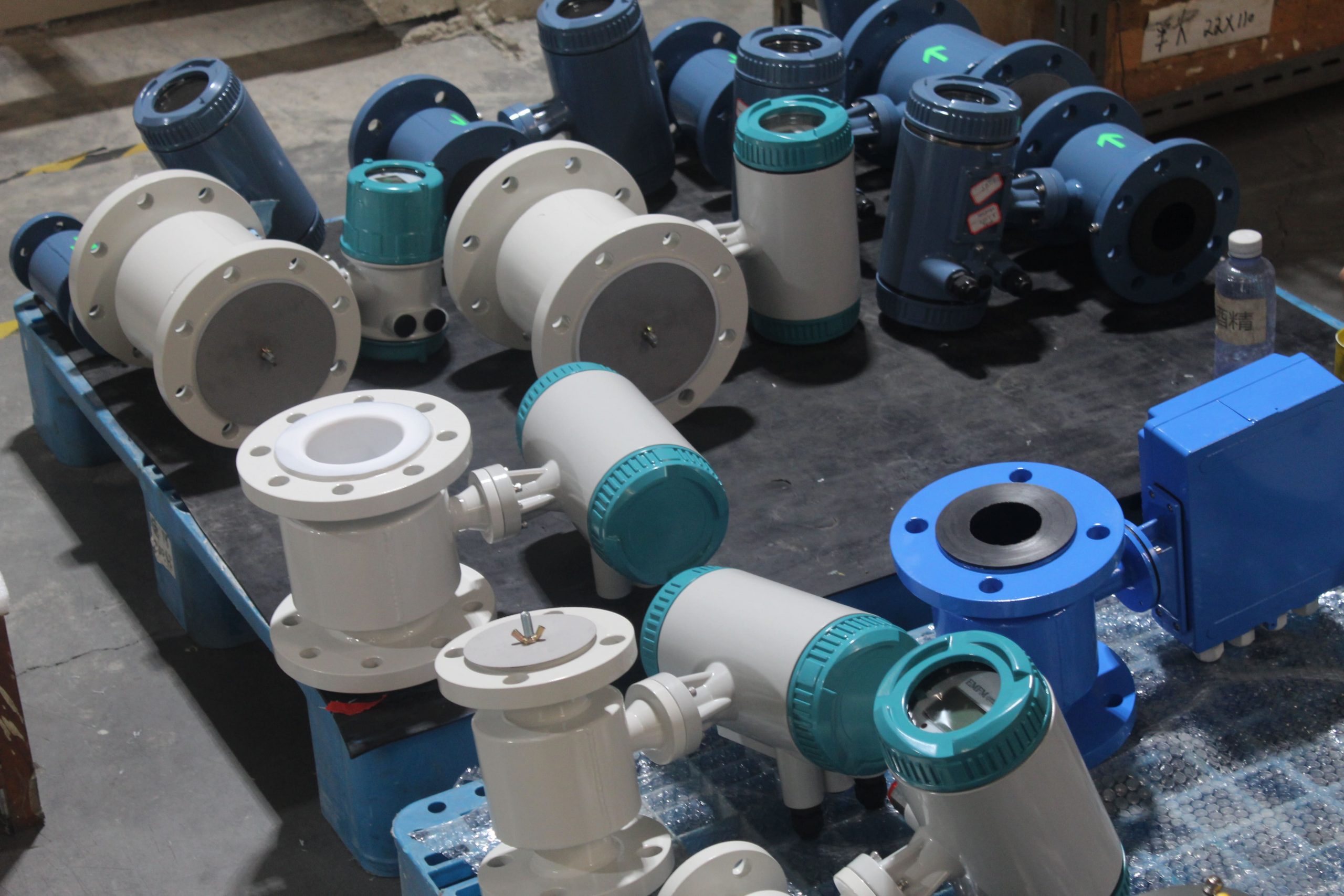
3. Lining material influence: The operating temperature of the electromagnetic flowmeter also depends on the lining material used. For instance, the temperature resistance of PTFE (polytetrafluoroethylene) lining is within 100 degrees, that of FEP (F46) lining is within 140 degrees, and that of PFA lining is within 180 degrees.
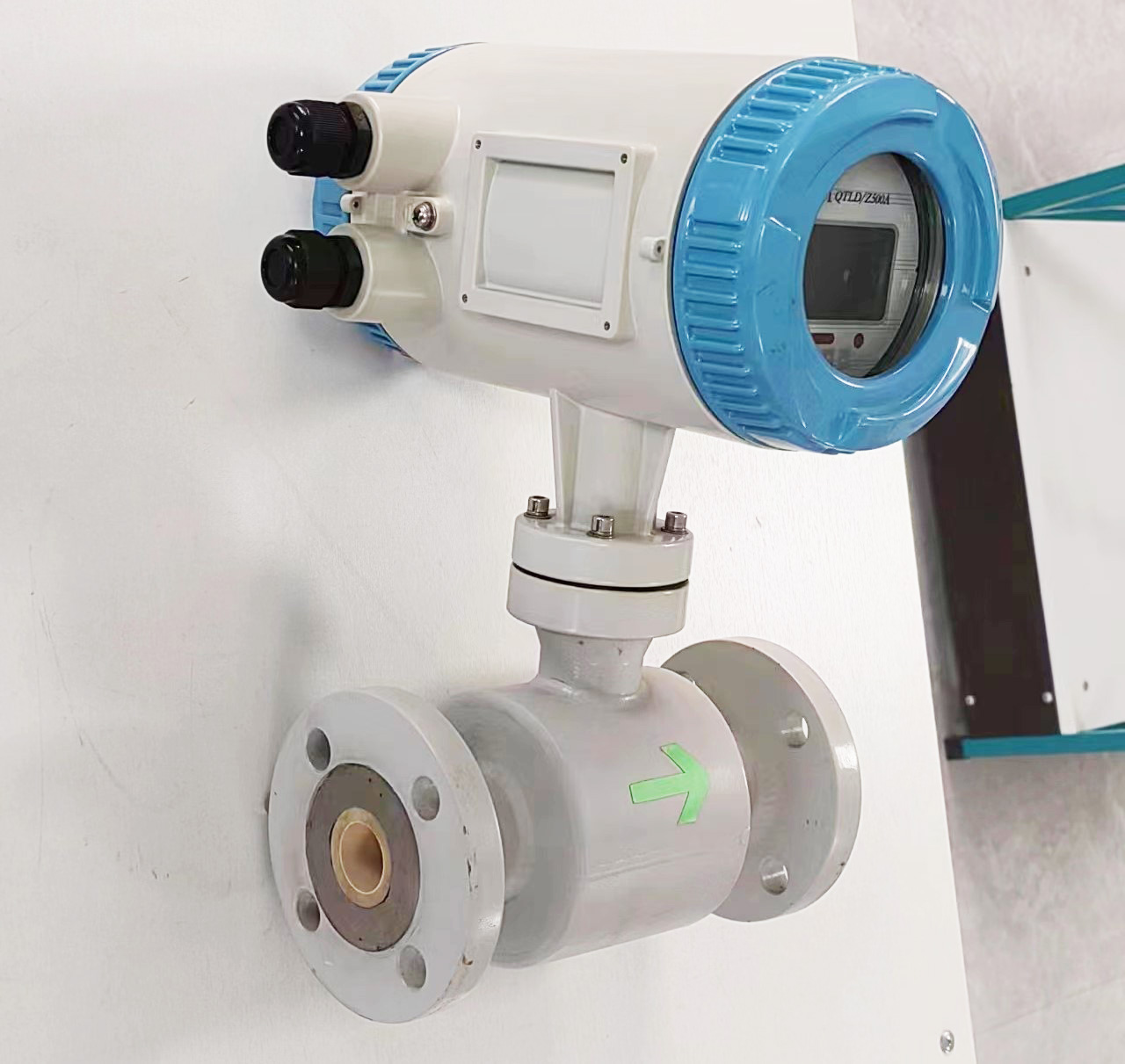
4. Differences between integrated and split types: The temperature resistance of an integrated electromagnetic flowmeter is usually no higher than 70℃, while that of a split electromagnetic flowmeter does not exceed 150℃.
The specific temperature resistance range of electromagnetic flowmeters of different models and from different manufacturers may vary, but the temperature resistance range of most electromagnetic flowmeters is within this range. It should be noted that if the electromagnetic flowmeter is used beyond its temperature resistance range, it may cause damage to its performance, thereby affecting the accuracy and stability of flow measurement.
The factors influencing the applicable temperature of electromagnetic flowmeters
1. The working principle of electromagnetic flowmeters
An electromagnetic flowmeter is a device that measures the flow of liquids or gases based on the principle of magnetic field induction. During the measurement process, electromagnetic flowmeters generate a certain amount of heat, so their applicable temperature range is limited by their own working principle.
2. Measure the temperature of the medium
The applicable temperature range of electromagnetic flowmeters is also affected by the temperature of the measured medium. If the temperature of the measured medium is too high or too low, it may affect the measurement accuracy and stability of the electromagnetic flowmeter. Therefore, when choosing an electromagnetic flowmeter, it is necessary to select the corresponding model and temperature resistance range based on the temperature of the measured medium.
-.jpg)
-.jpg)
-.jpg)


-.jpg)