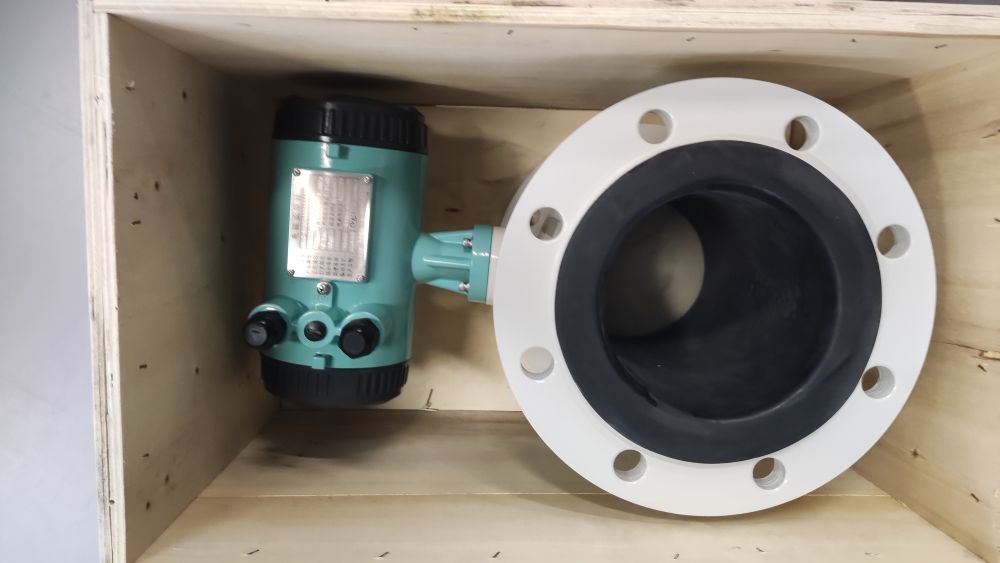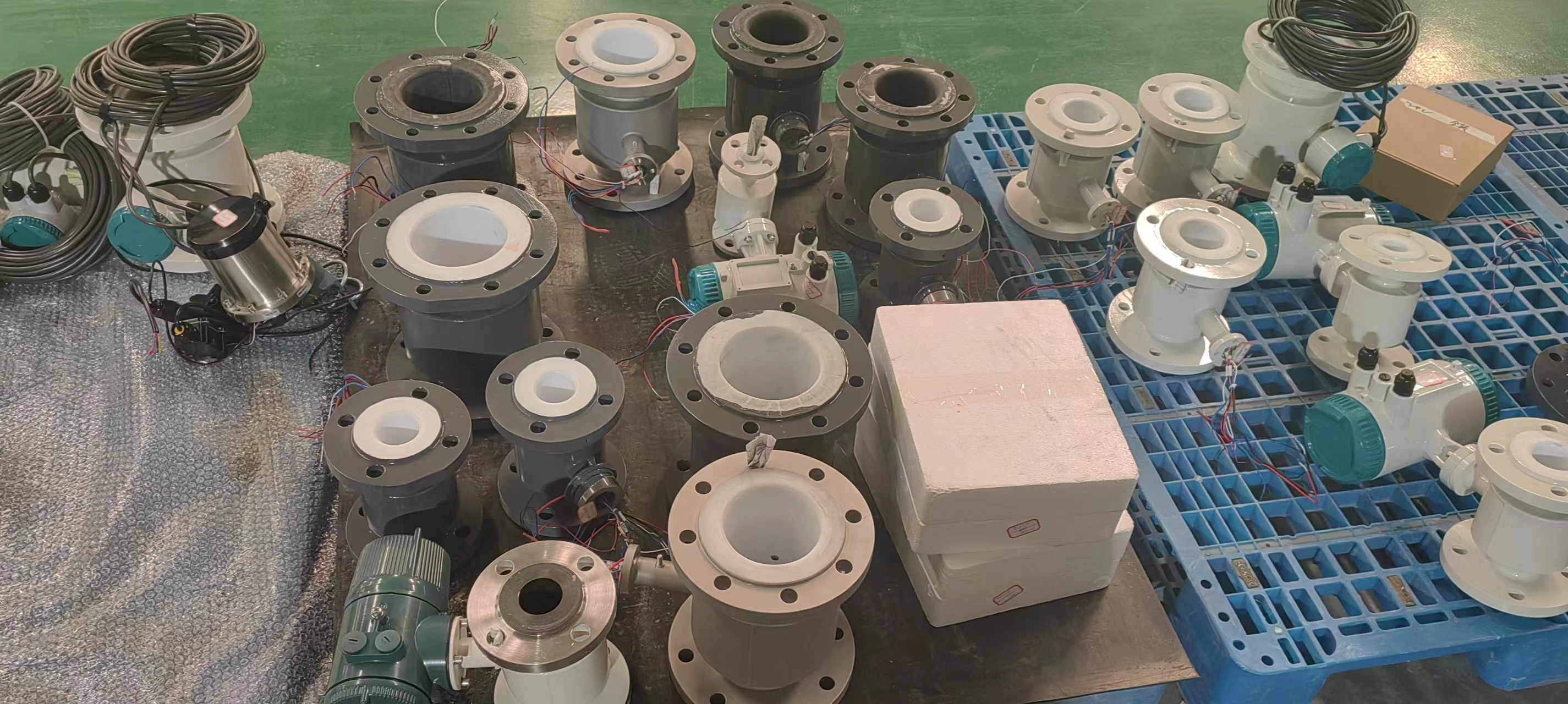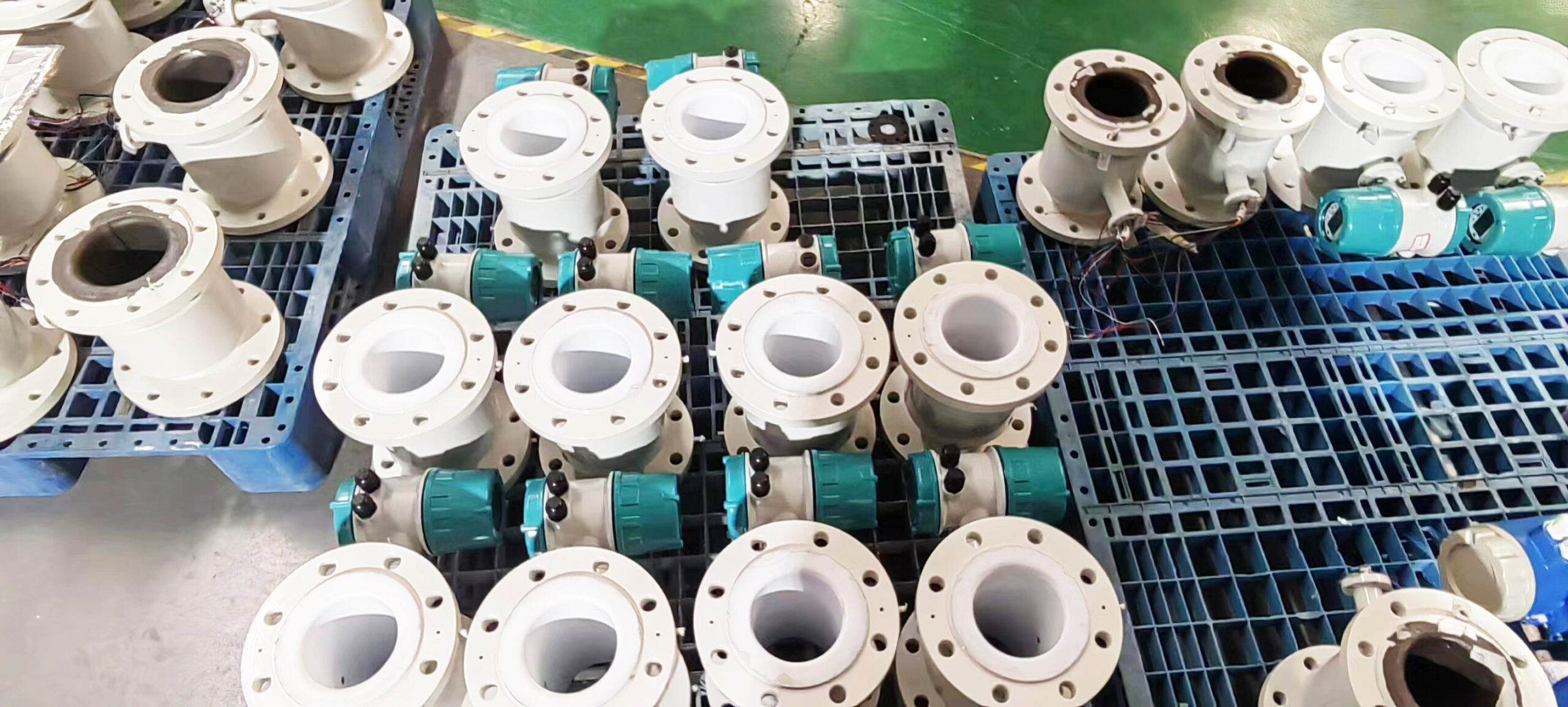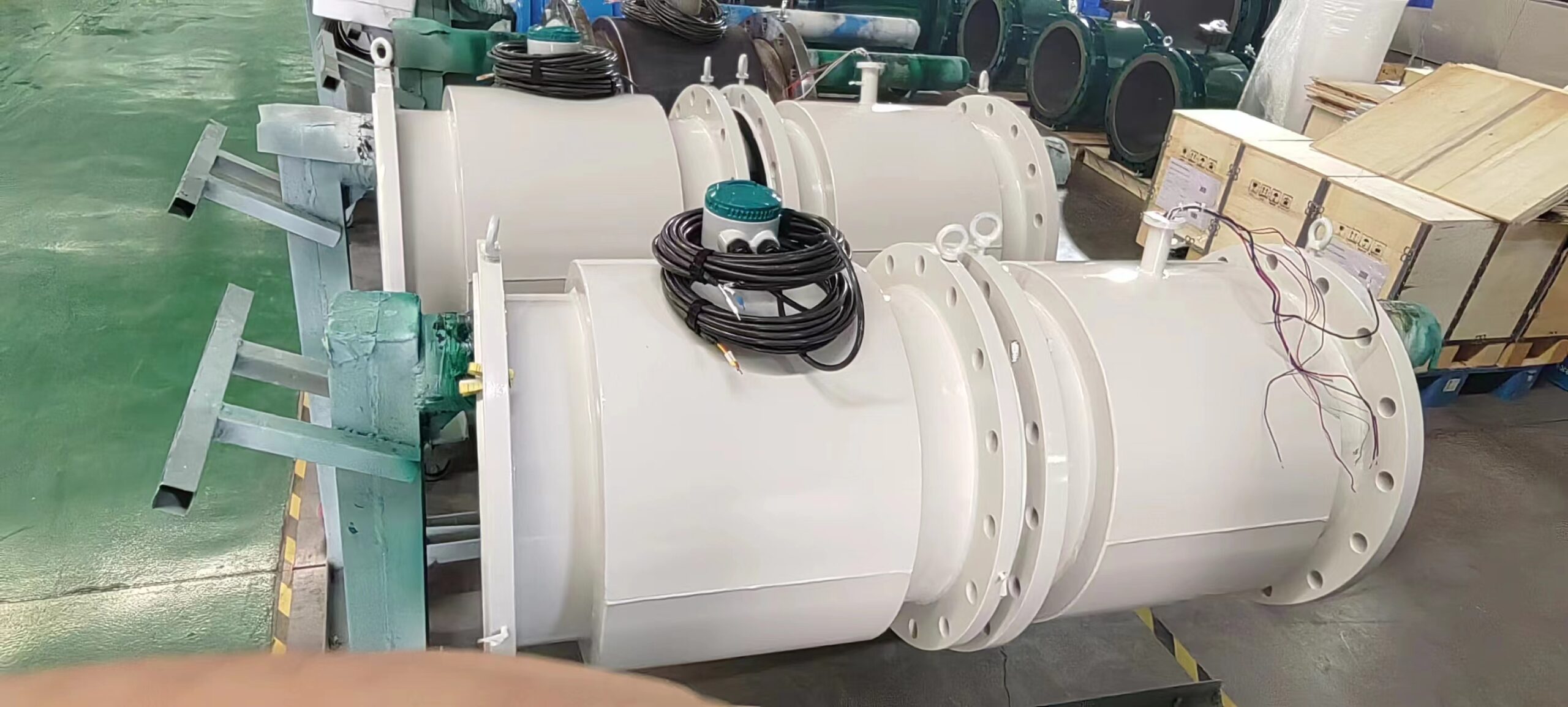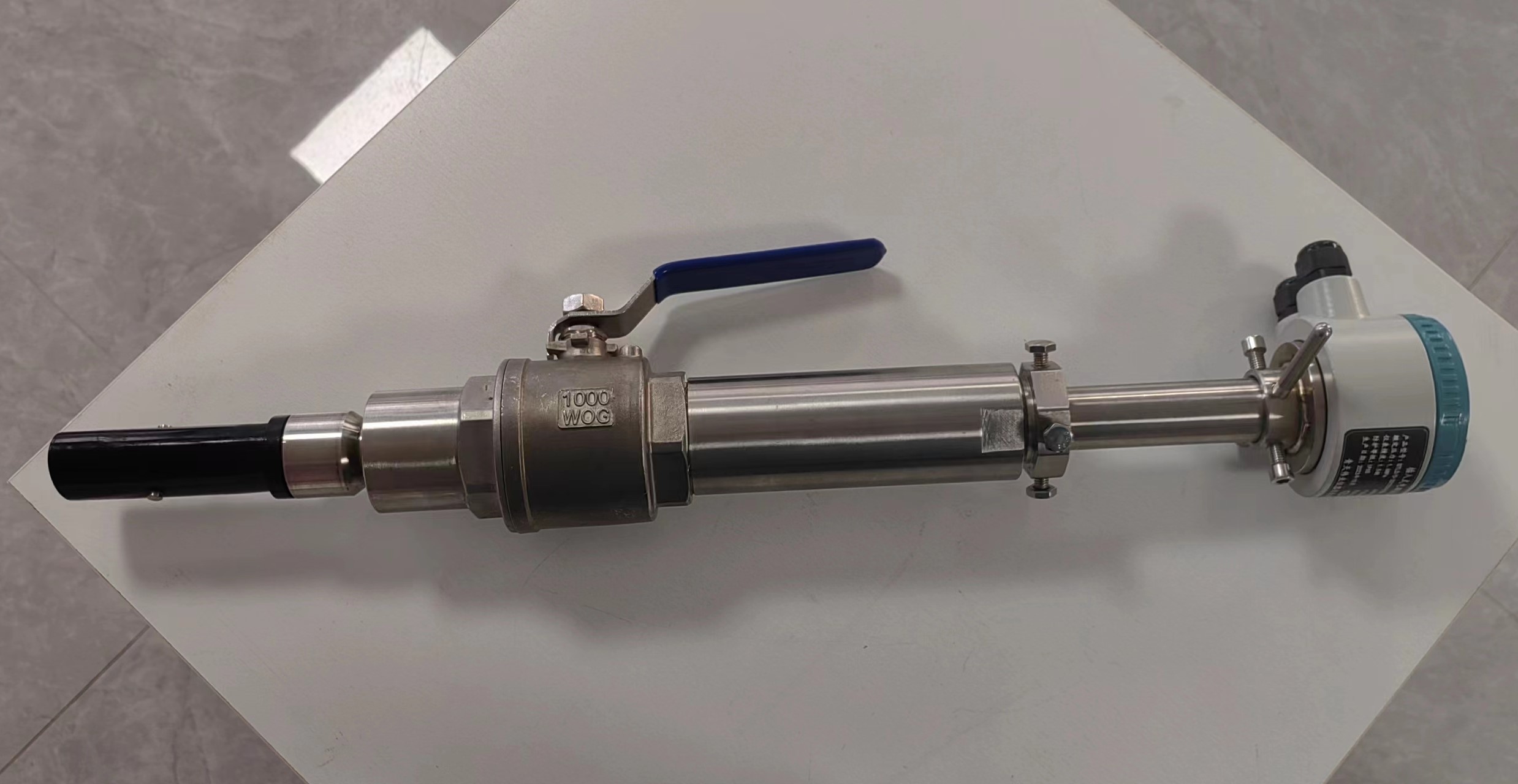
Split electromagnetic flowmeter in the installation process precautions
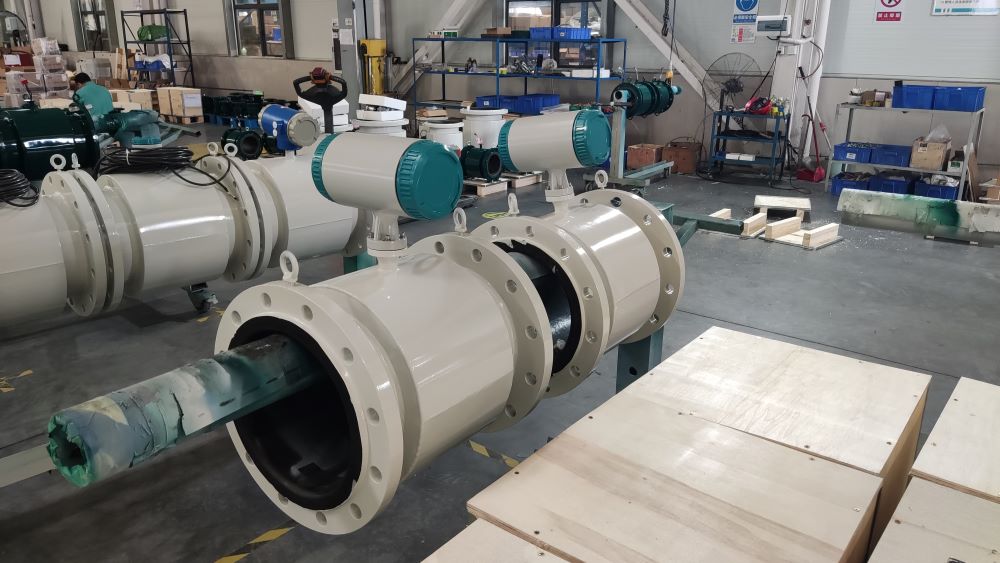
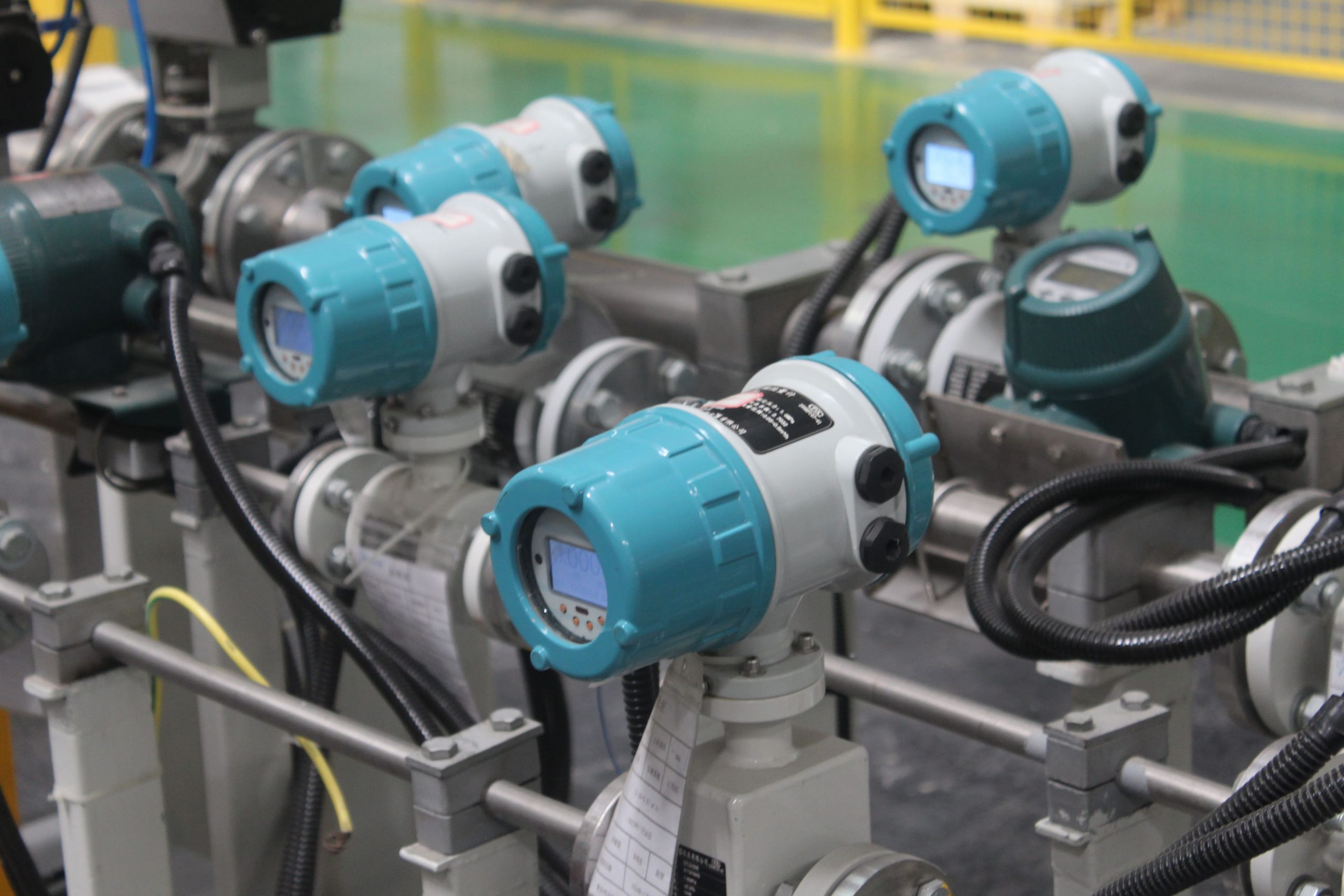
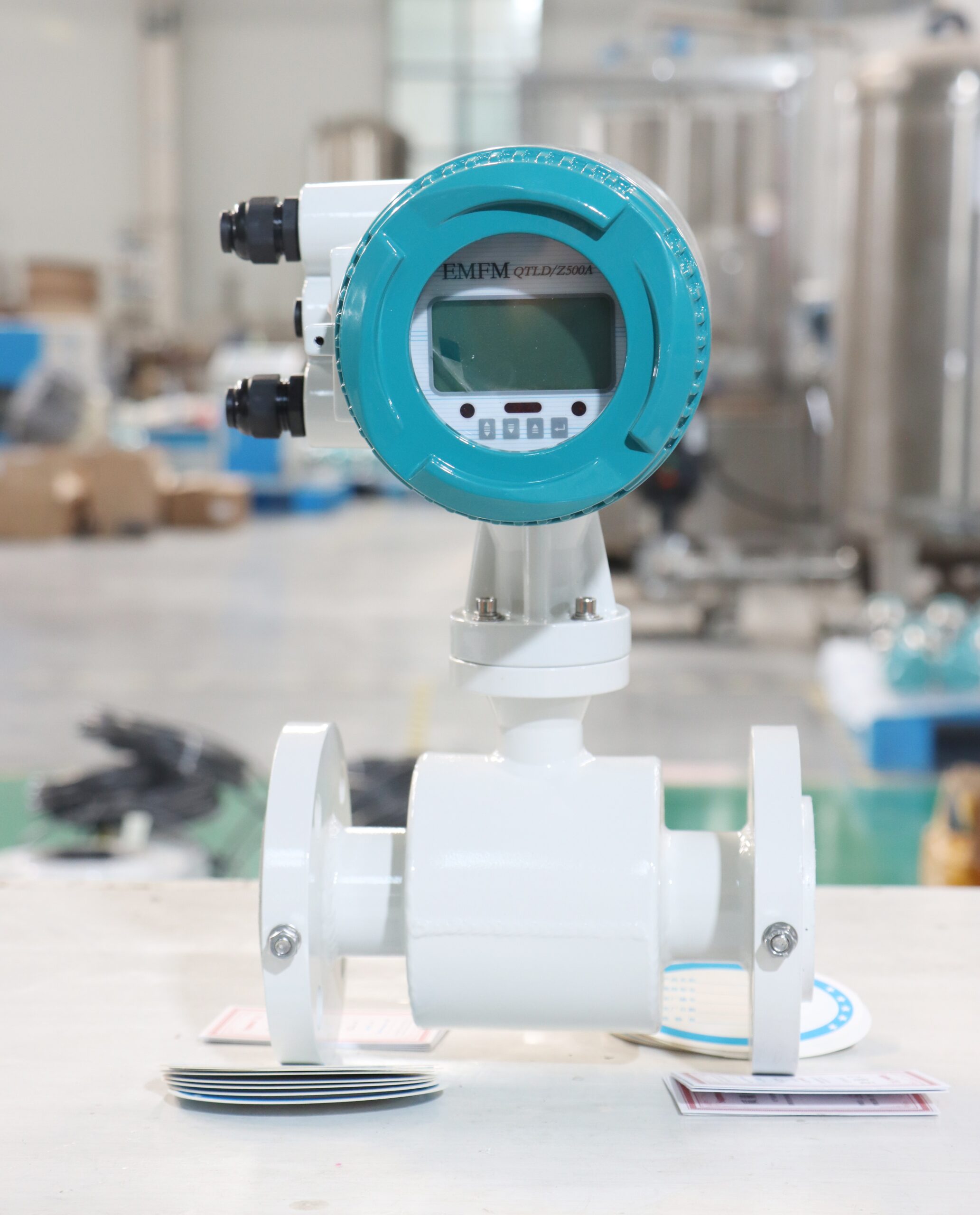
The transducer in the split electromagnetic flowmeter can form a body or separate type with the sensor, the integrated electromagnetic flowmeter is the integrated electromagnetic flowmeter, the split type becomes the split electromagnetic flowmeter, the flowmeter is a two-way measurement system, and the three integrators are installed: the forward total, the reverse total and the difference total; Can be displayed. And has a variety of outputs: current, pulse, digital communication, HART, taking split electromagnetic flowmeter as an example to introduce what problems should be paid attention to when installing:
Install the grounding of the split electromagnetic flowmeter sensor: In order to make the split electromagnetic flowmeter work reliably, improve the measurement accuracy, and not be interfered by the external parasitic potential, the sensor should have a good separate grounding wire, and the grounding resistance is <10Ω. If the pipe connected to the sensor is coated with an insulating layer or non-metallic pipe, the sensor requirements for the external environment:
1, the flow meter should avoid installation in the temperature changes greatly or by the equipment high temperature radiation places, if it must be installed, there must be insulation, ventilation measures.
2, the flow meter is usually installed indoors, if it must be installed outdoors, should avoid rain, water flooding and sun exposure, must have moisture-proof and sunscreen measures.
3, the flow meter should avoid installation in an environment containing corrosive gases, must be installed, there must be ventilation measures.
4, in order to install, maintain, maintenance, convenience, there needs to be a full installation space around the flow meter.
5, the flowmeter installation site should avoid strong magnetic field and strong vibration source, such as pipeline vibration, there should be fixed pipe support on both sides of the flowmeter.
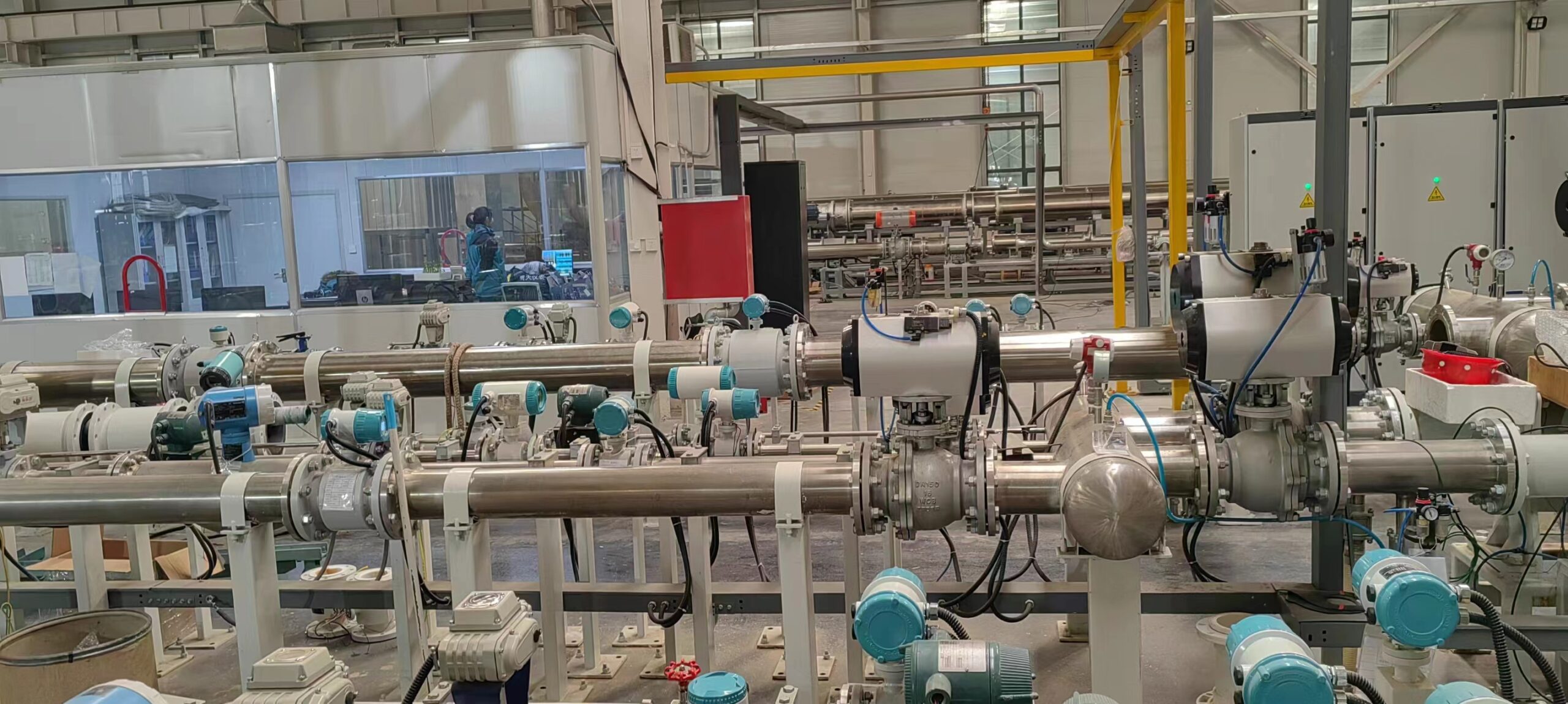
In order to facilitate the maintenance of the flow meter, better install the bypass pipe for the flow meter, in addition, the heavily polluted fluid and flow meter need to be cleaned and the fluid can not be stopped, the bypass pipe must be installed, the purpose is to facilitate the maintenance of the flow meter.

-.jpg)
-.jpg)