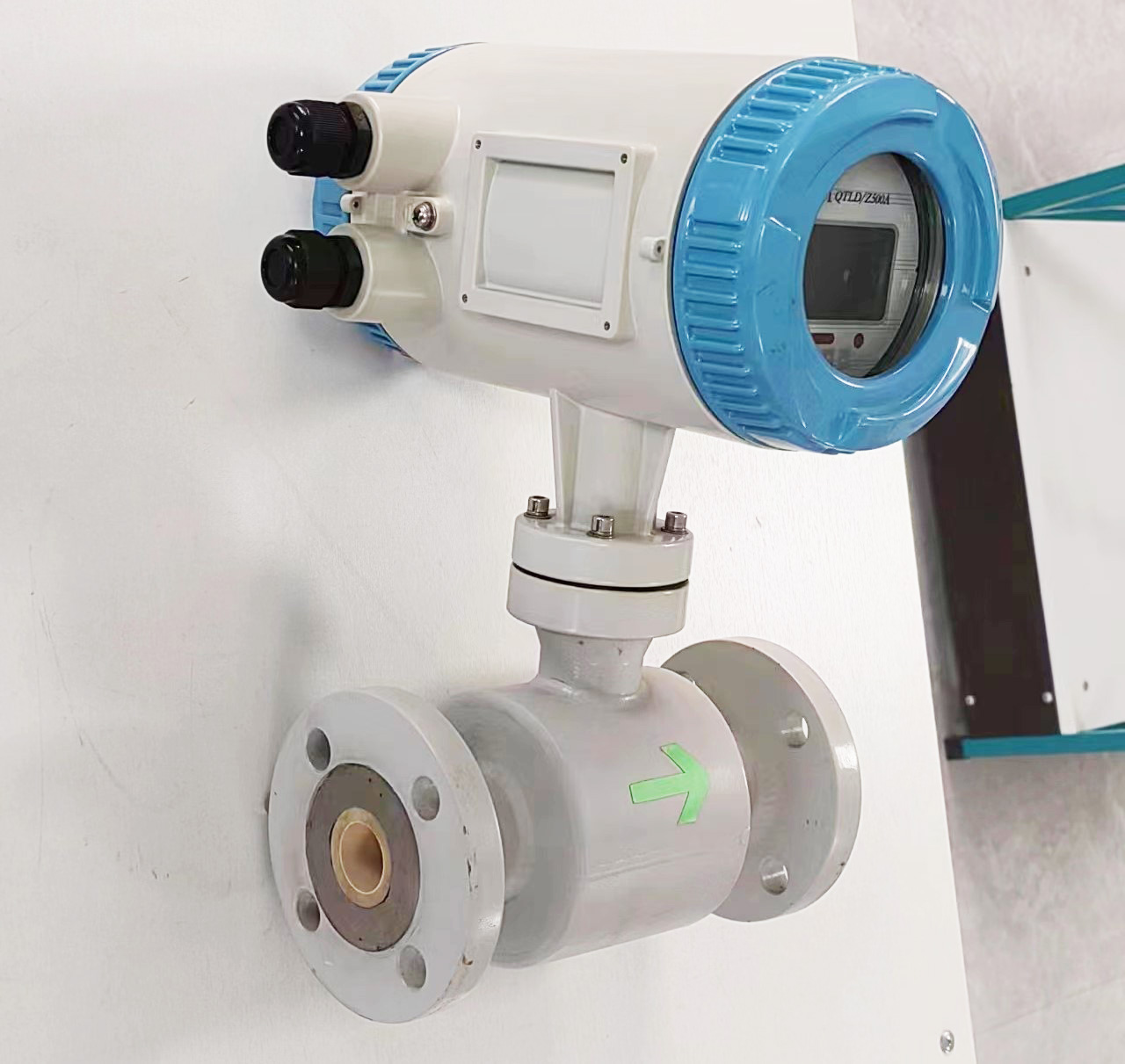
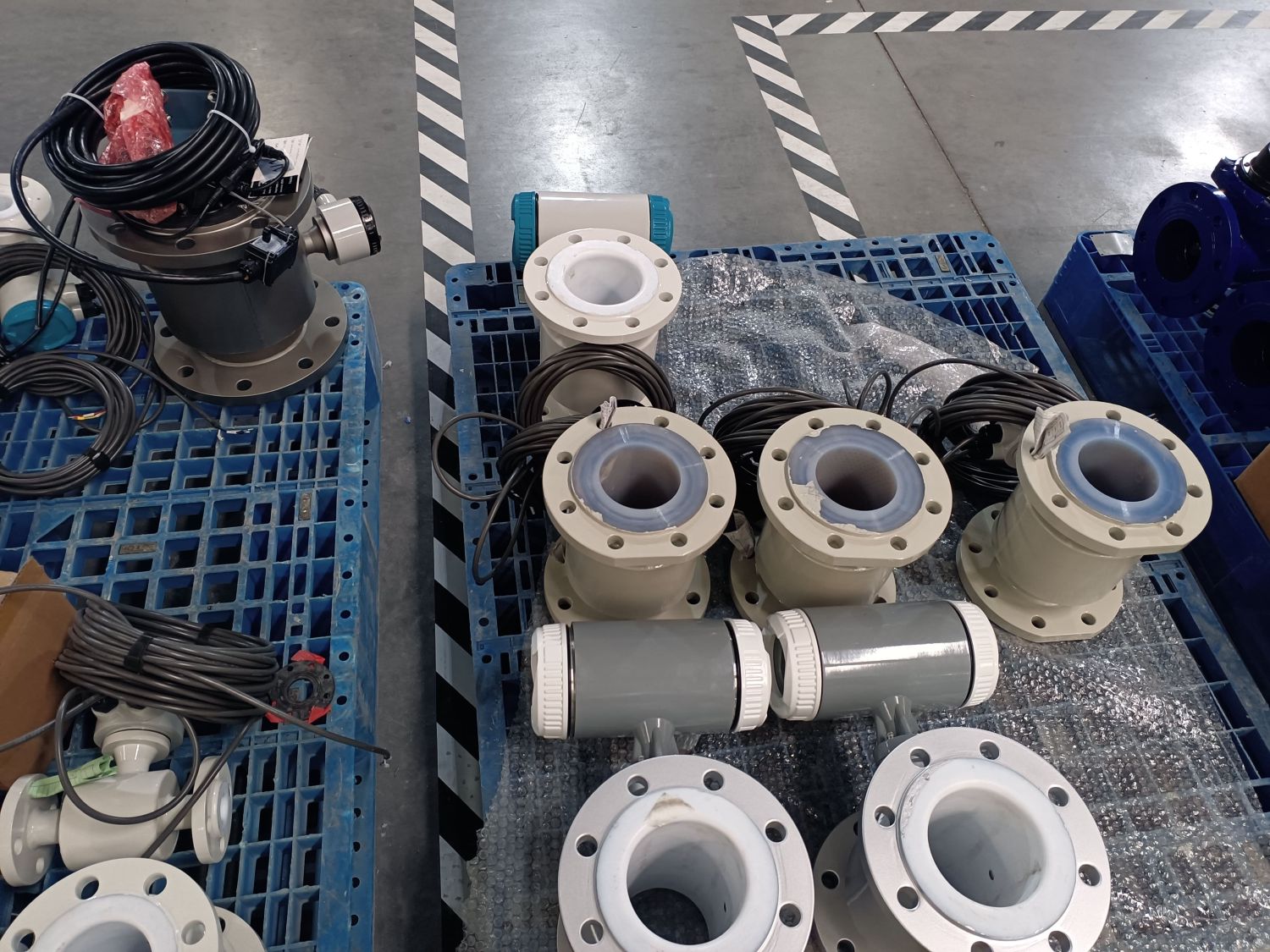
What are the matters needing attention before purchasing a split-type electromagnetic flowmeter
Split-type electromagnetic flowmeters need to come with their own power supply Split-type electromagnetic flowmeters require external power supply, which makes outdoor installation inconvenient and also limits their application in suburban water supply networks.
Split-type electromagnetic flowmeters need to come with their own power supply Split-type electromagnetic flowmeters require external power supply, which makes outdoor installation inconvenient and also limits their application in suburban water supply networks. If split-type electromagnetic flowmeters do not have their own power supply, once the power is cut off, the data of the flowmeter used as a settlement water meter will be lost. This raises new problems for the measurement and calculation of the lost water volume during the power outage period. Generally, water supply enterprises and users handle matters on a case-by-case basis, which adds a considerable amount of workload. If the split-type electromagnetic flowmeter can be equipped with its own power supply, this problem can be fundamentally solved, and it will also promote its popularization and application in settlement water meters. Now, all can be powered by lithium batteries, which has solved this problem.
2. Split-type electromagnetic flowmeters have lightning protection functions: Whether it is a settlement water meter or a split-type electromagnetic flowmeter for regional metering, in relatively open suburbs, especially in Guangdong where the area covered by thunderstorms is large, the lightning protection of split-type electromagnetic flowmeters is a rather severe test. Even after strictly implementing grounding and power protection measures, the probability of split-type electromagnetic flowmeters installed in open areas being struck by lightning is still quite high. Therefore, a simpler and more effective approach is to enhance the lightning protection performance of the flowmeter itself. If this cannot be fundamentally resolved, the internal circuit should be separated for protection. In this way, even if it is damaged by lightning, the replacement cost can be reduced.
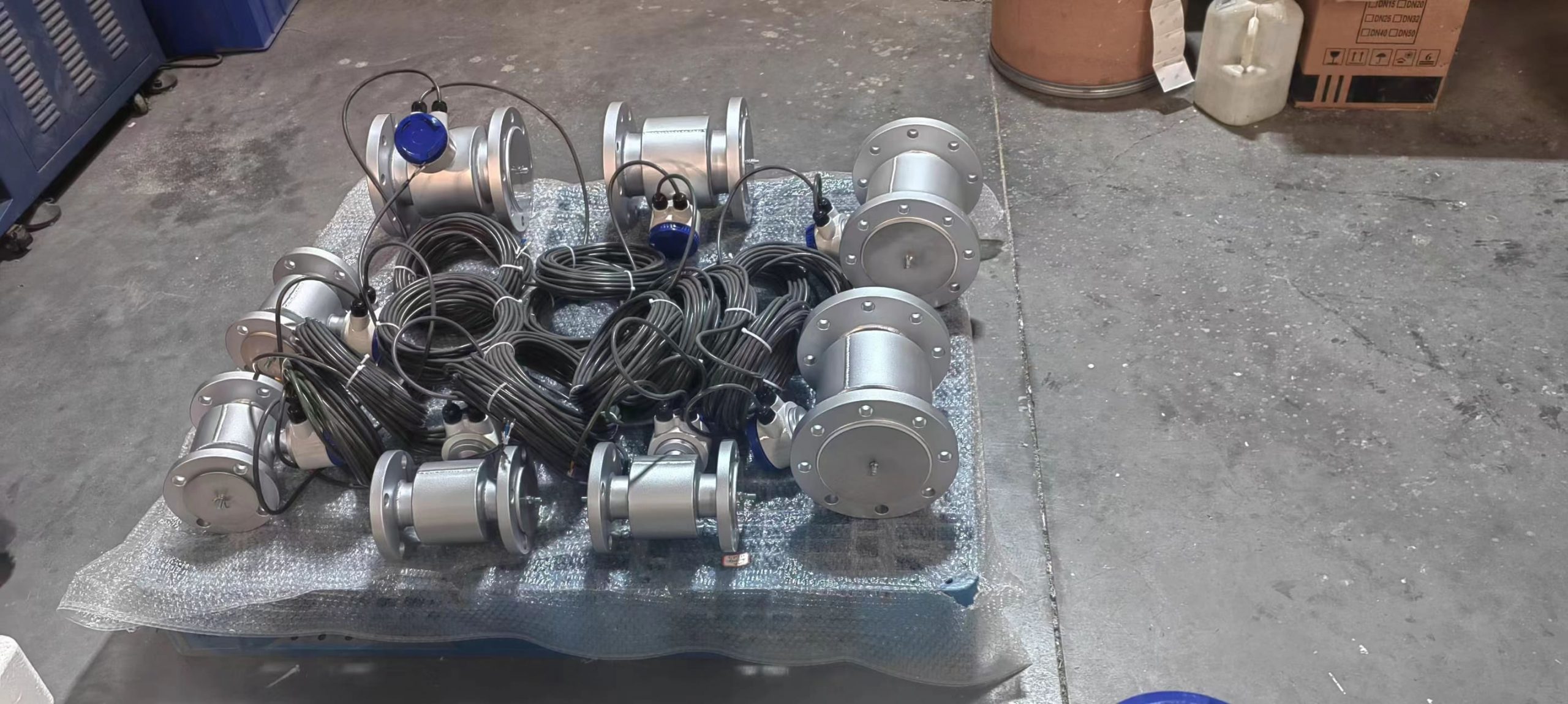
3. Signal transmission issues of split-type electromagnetic flowmeters: Split-type electromagnetic flowmeters can automatically convert and wirelessly transmit signals within the instrument itself, reducing the compatibility or mutual conversion troubles in data collection. This will provide convenience for enterprises’ use and also add greater advantages to the promotion and application of split-type electromagnetic flowmeters.
-.jpg)
-.jpg)