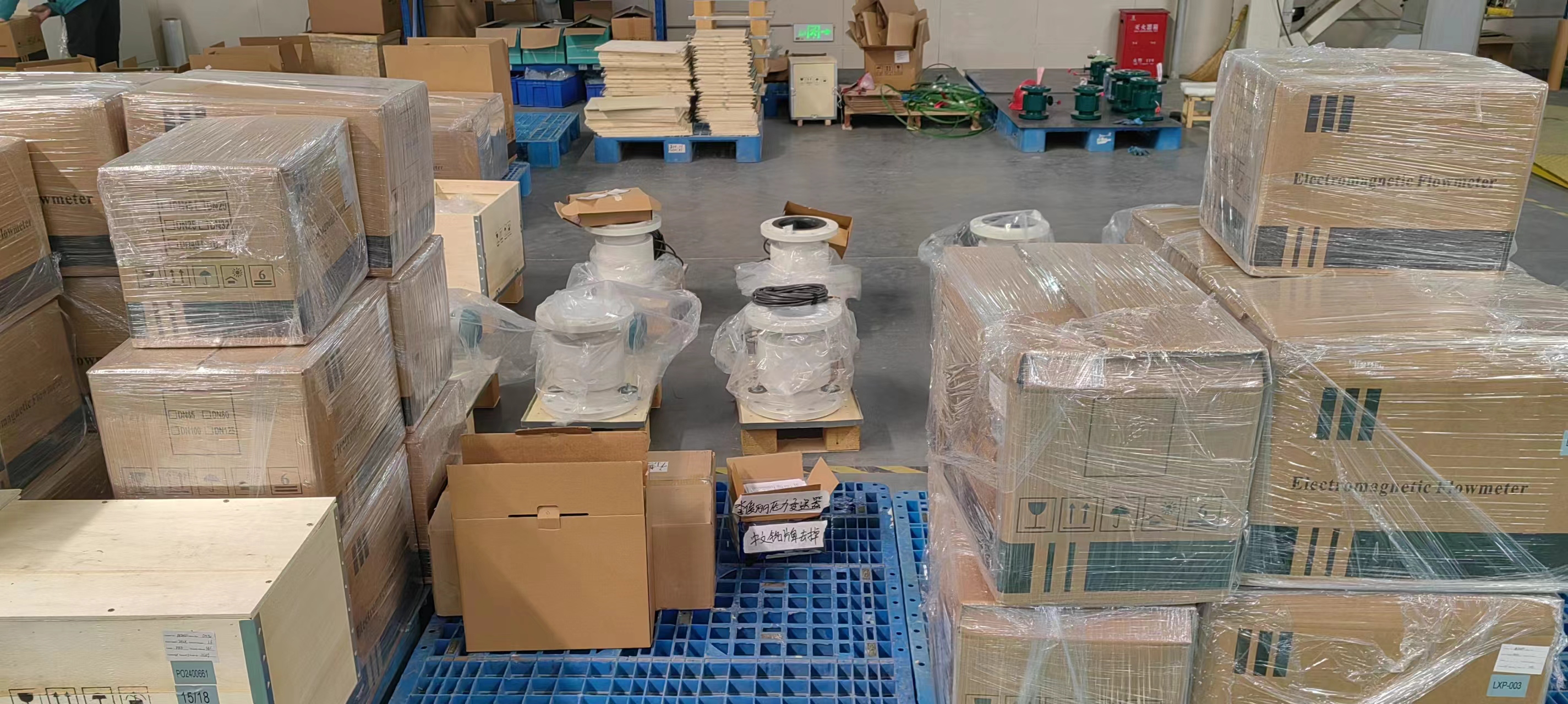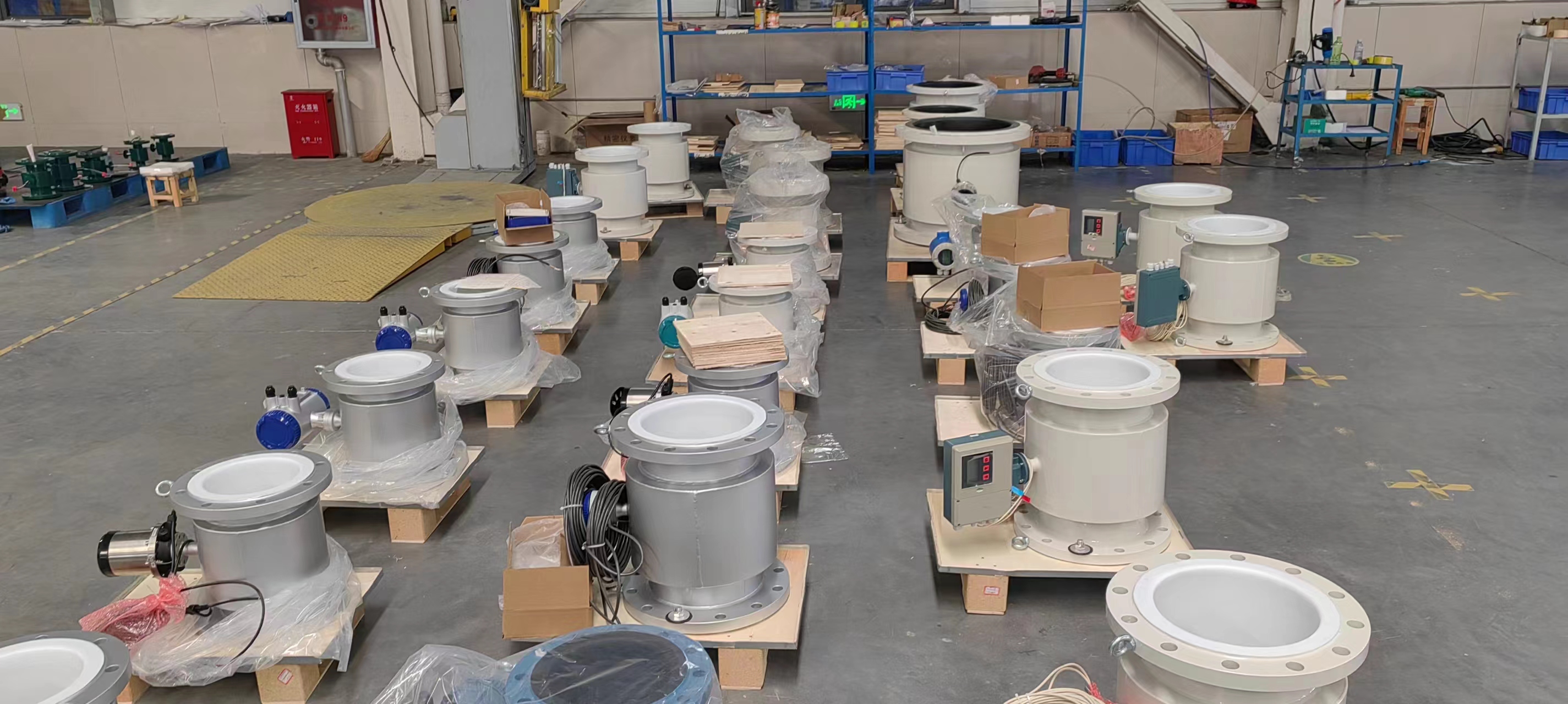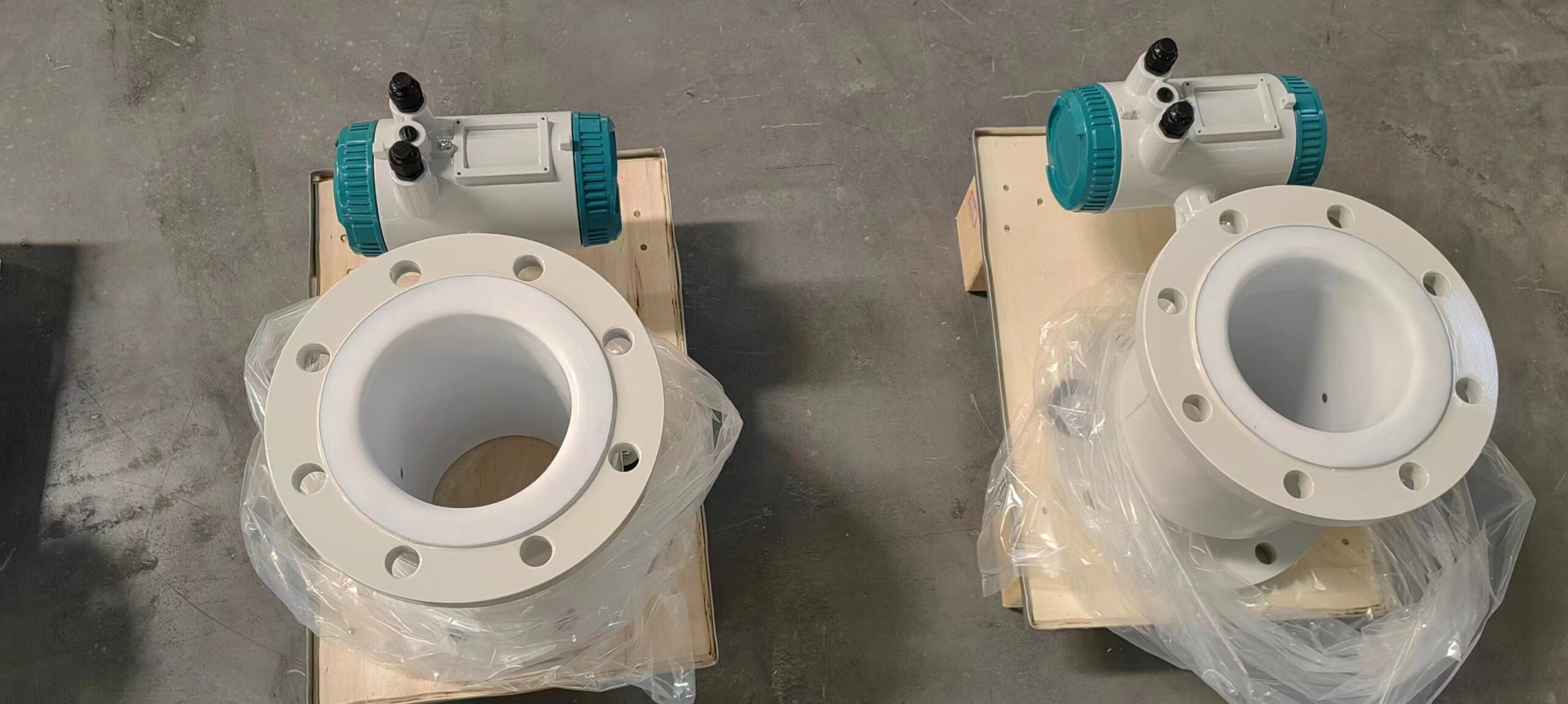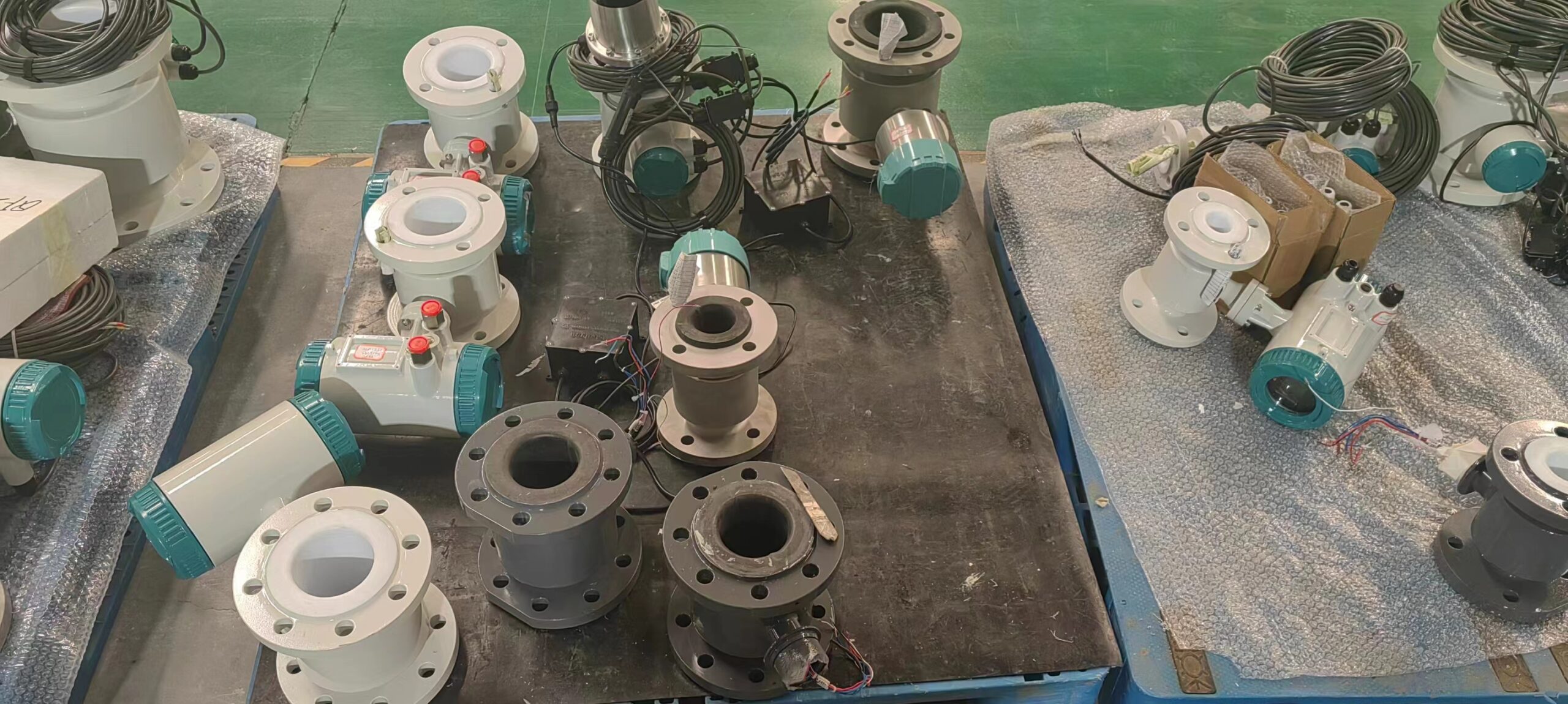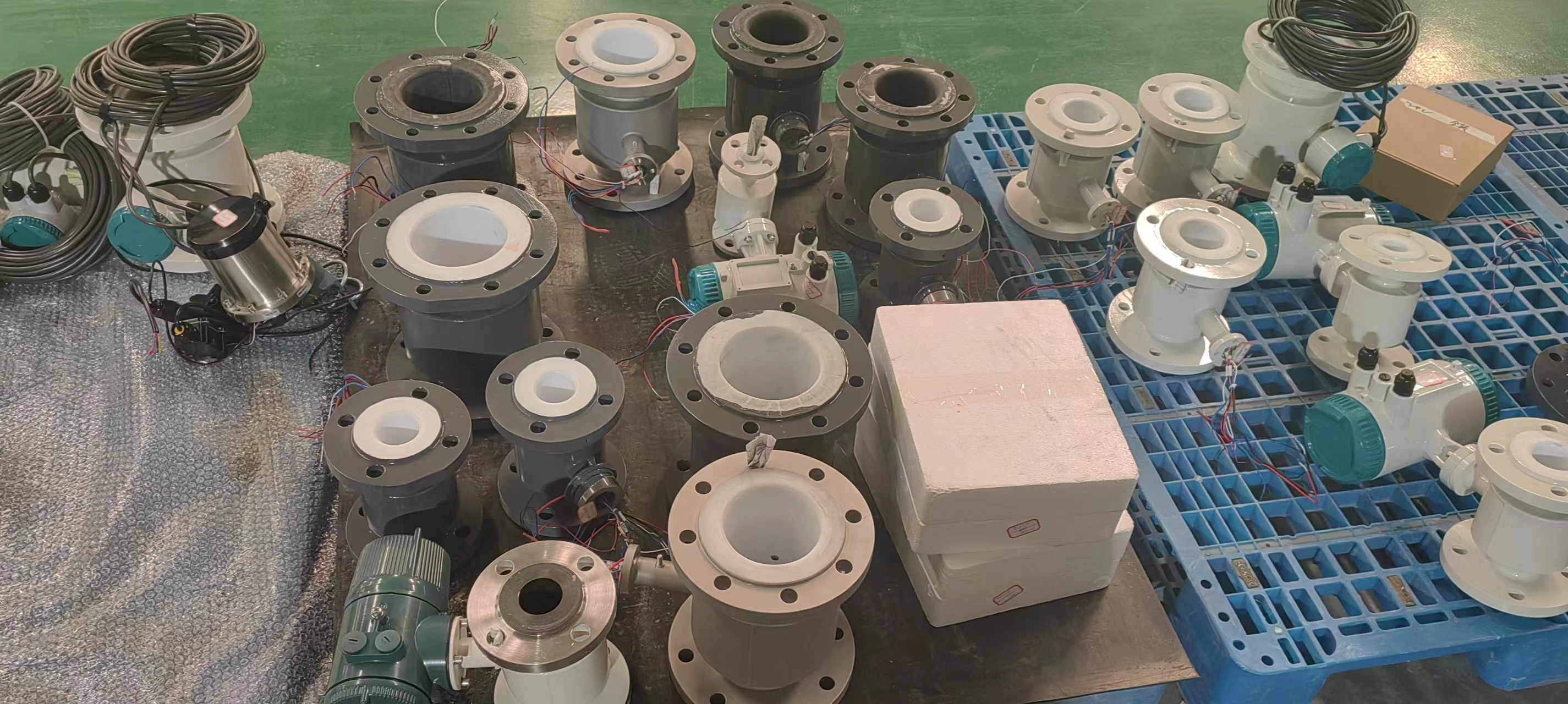
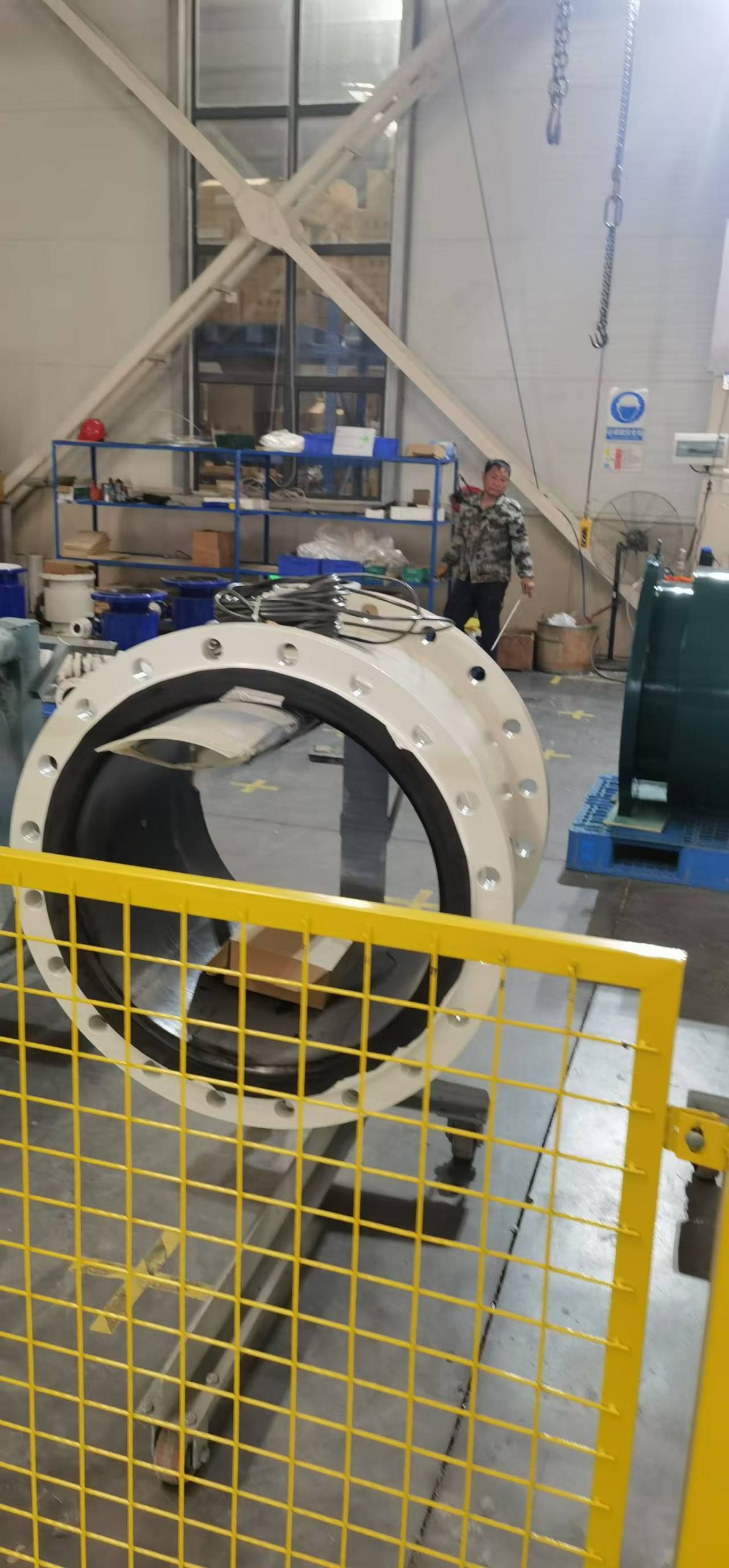
Can silver nitrate solution be measured by an electromagnetic flowmeter
We all know that electromagnetic flowmeters can measure all conductive liquids, so their applications are very extensive. However, when it comes to some special liquids, it is still inevitable to be questioned whether they can be used or not. For example, today’s topic: Can silver nitrate solution be measured by an electromagnetic flowmeter? Let’s have a chat about this topic.
Let’s take a look at the working principle of electromagnetic flowmeters. This flowmeter uses silver nitrate solution as the conductive liquid and measures the flow rate of the fluid through the principle of electromagnetic induction. When a fluid passes through a silver nitrate solution electromagnetic flowmeter, the flowing conductive liquid will induce an electromotive force in the magnetic field. According to Faraday’s law of electromagnetic induction, when a conductive liquid flows, the induced electromotive force is directly proportional to the flow rate. By measuring the magnitude of the induced electromotive force, we can accurately calculate the flow rate of the fluid.
So the result obtained is that the electromagnetic flowmeter can be used to measure the silver nitrate solution. And its performance in use is quite stable. Let’s take a further look.
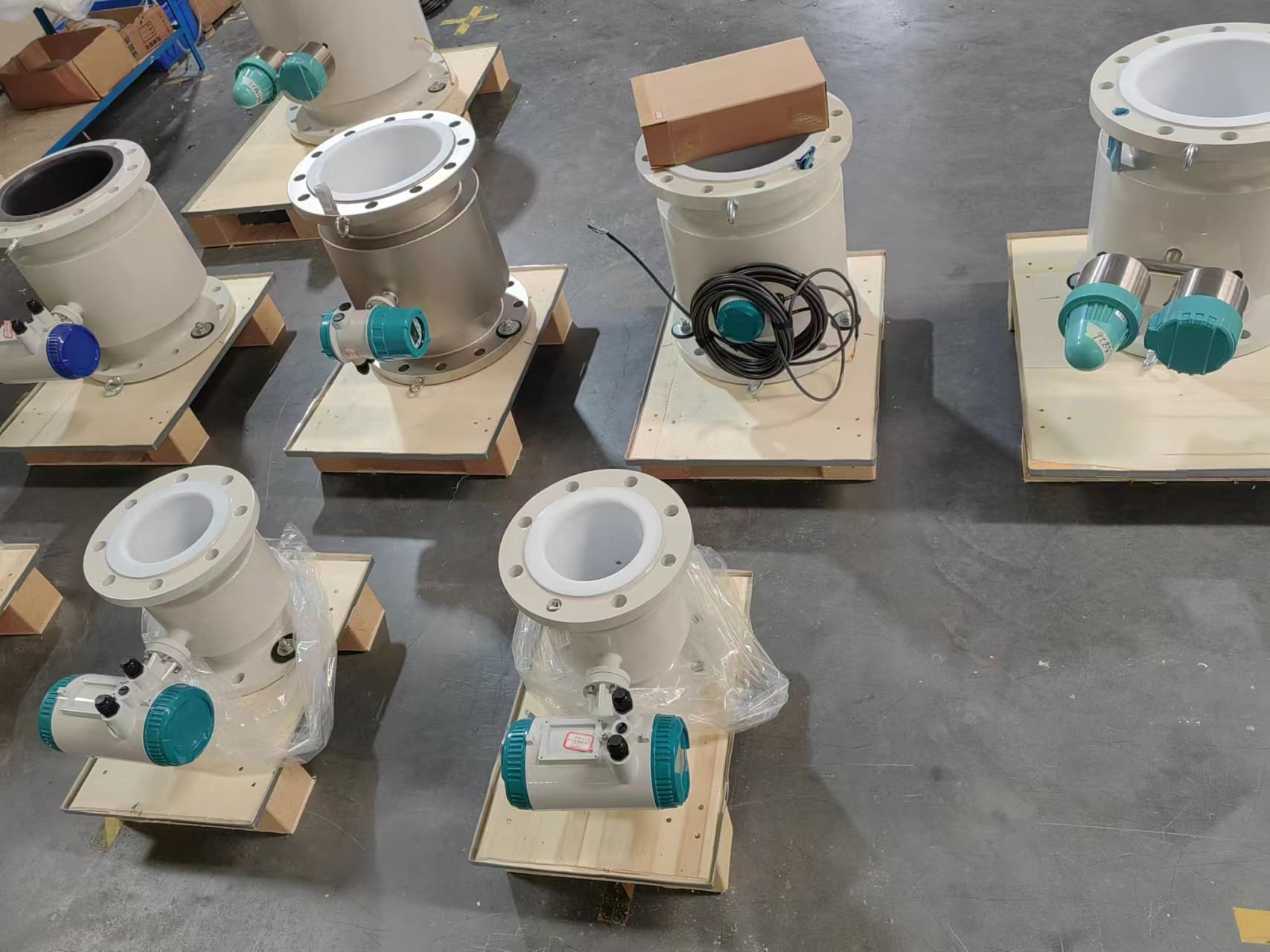
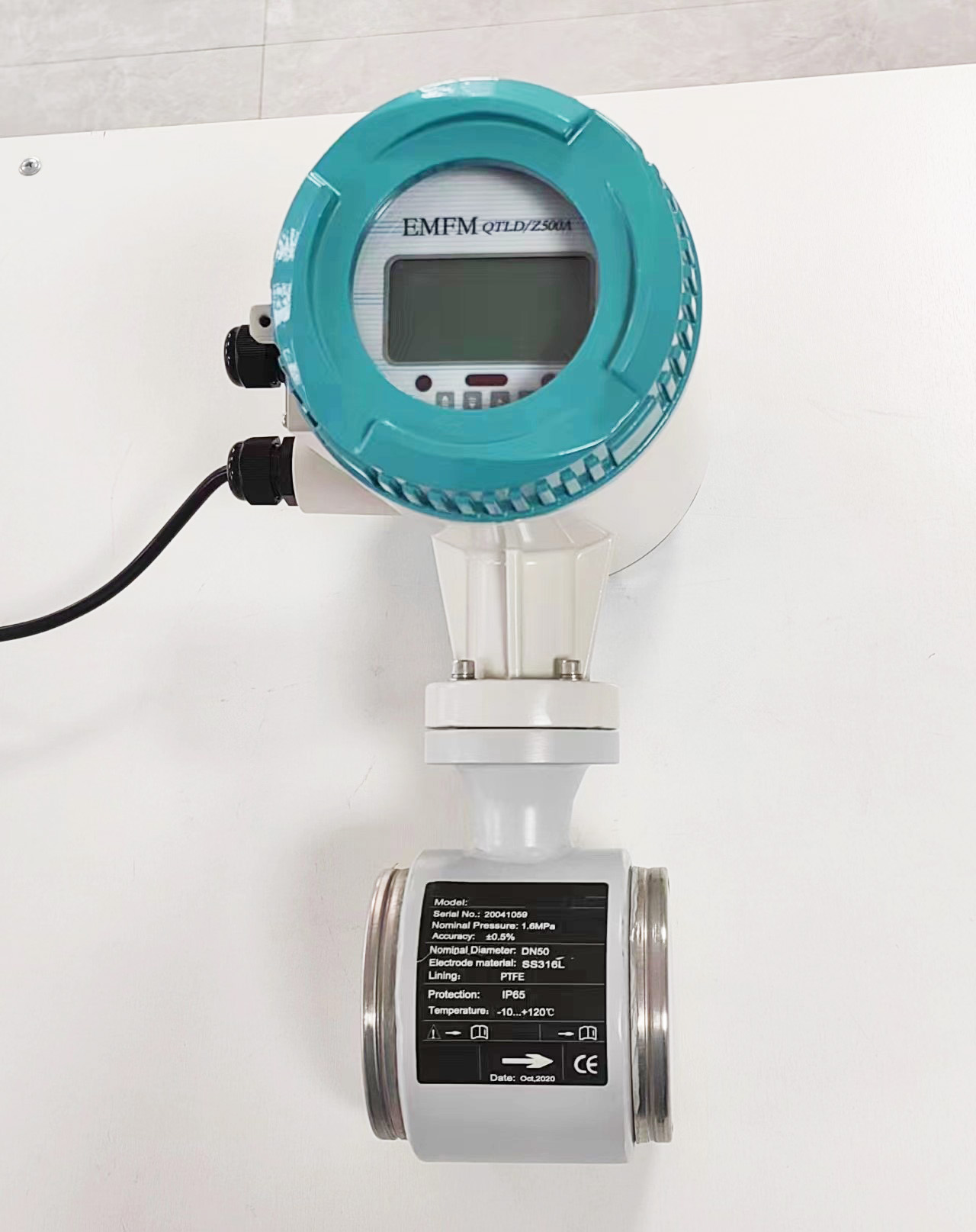
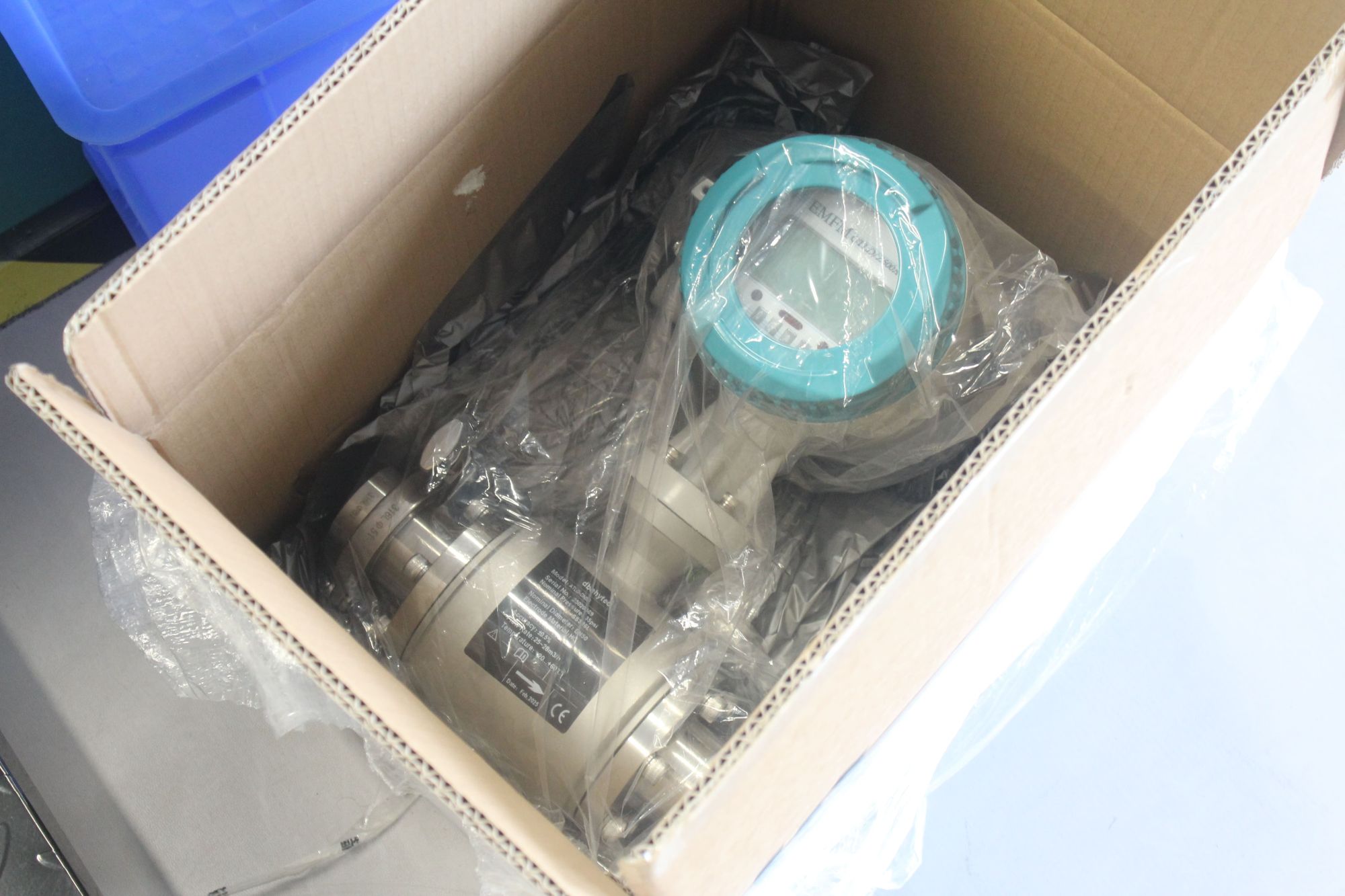
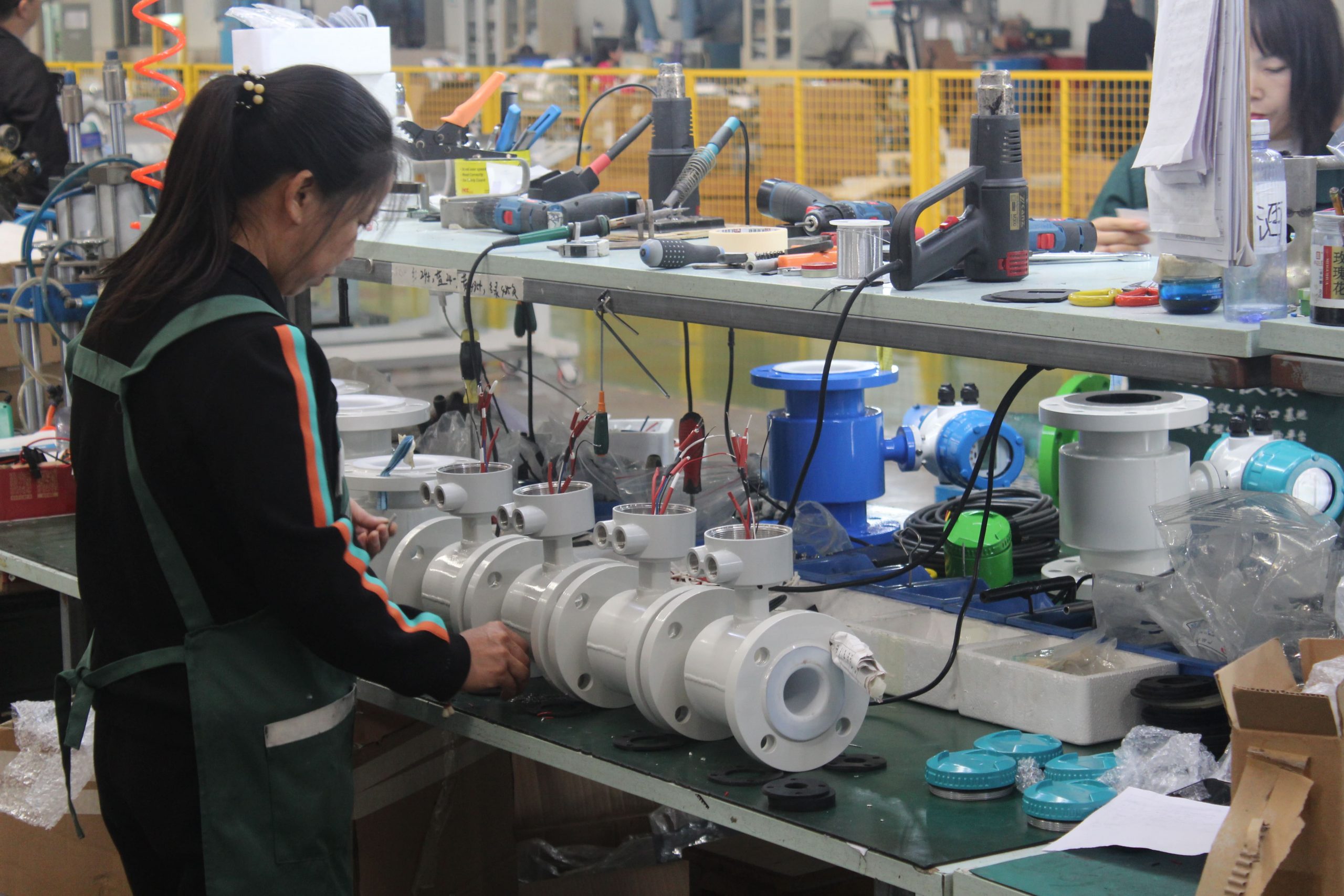
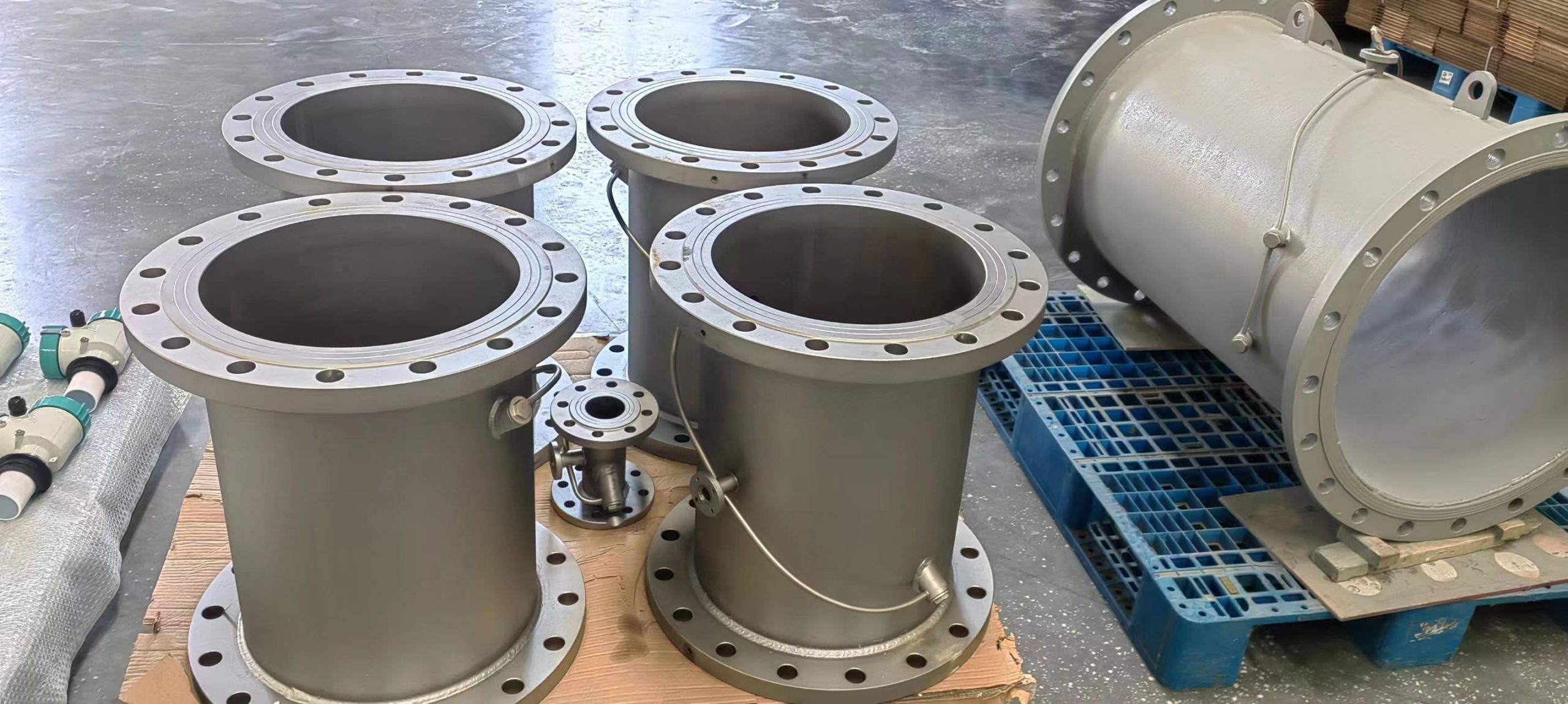
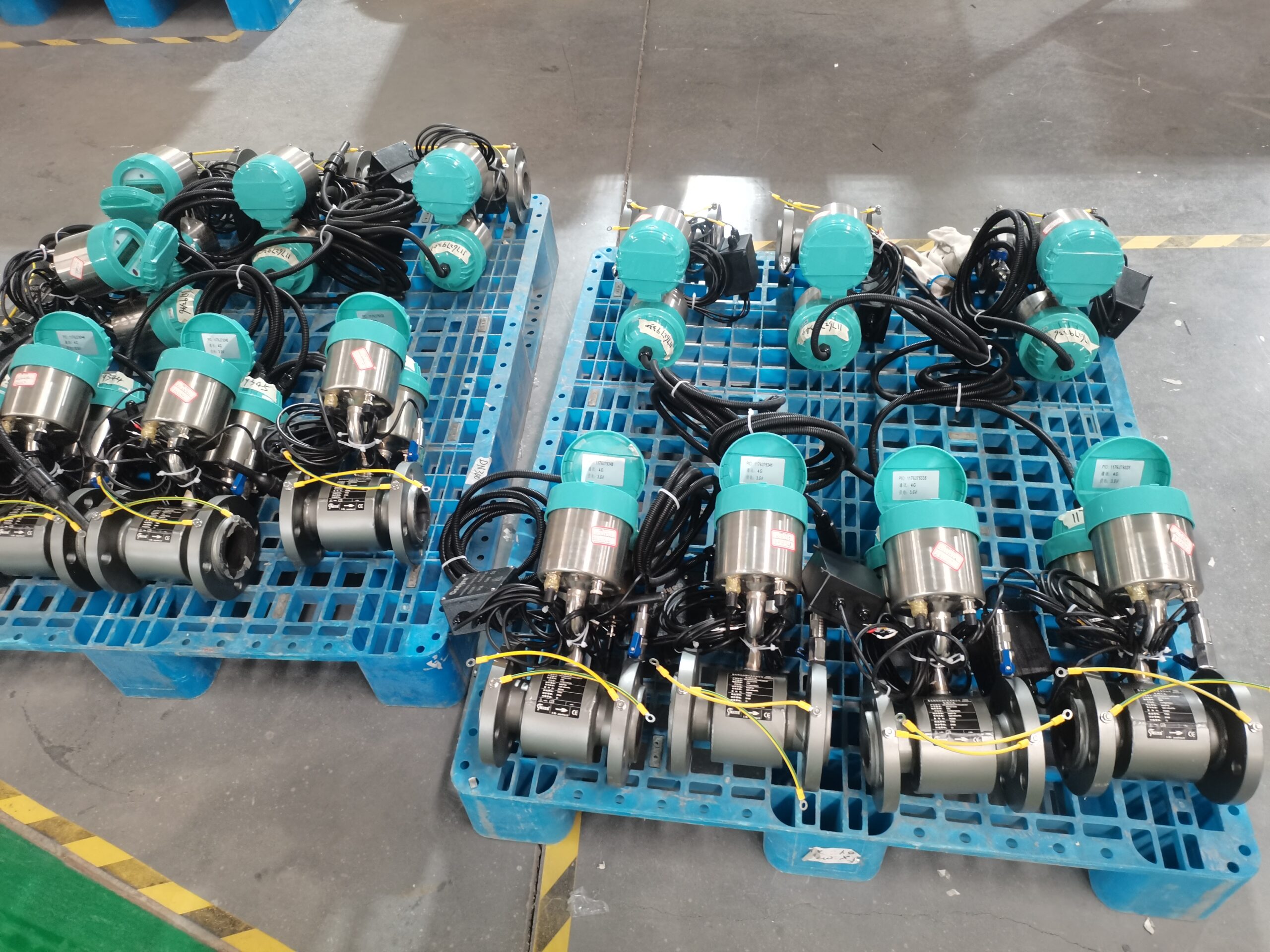
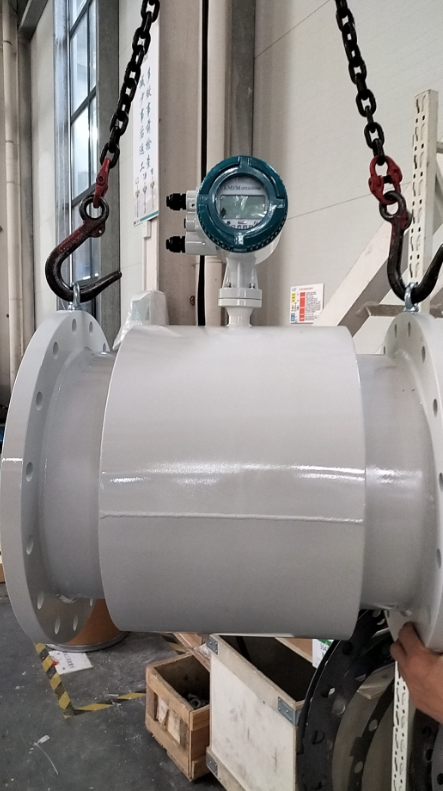
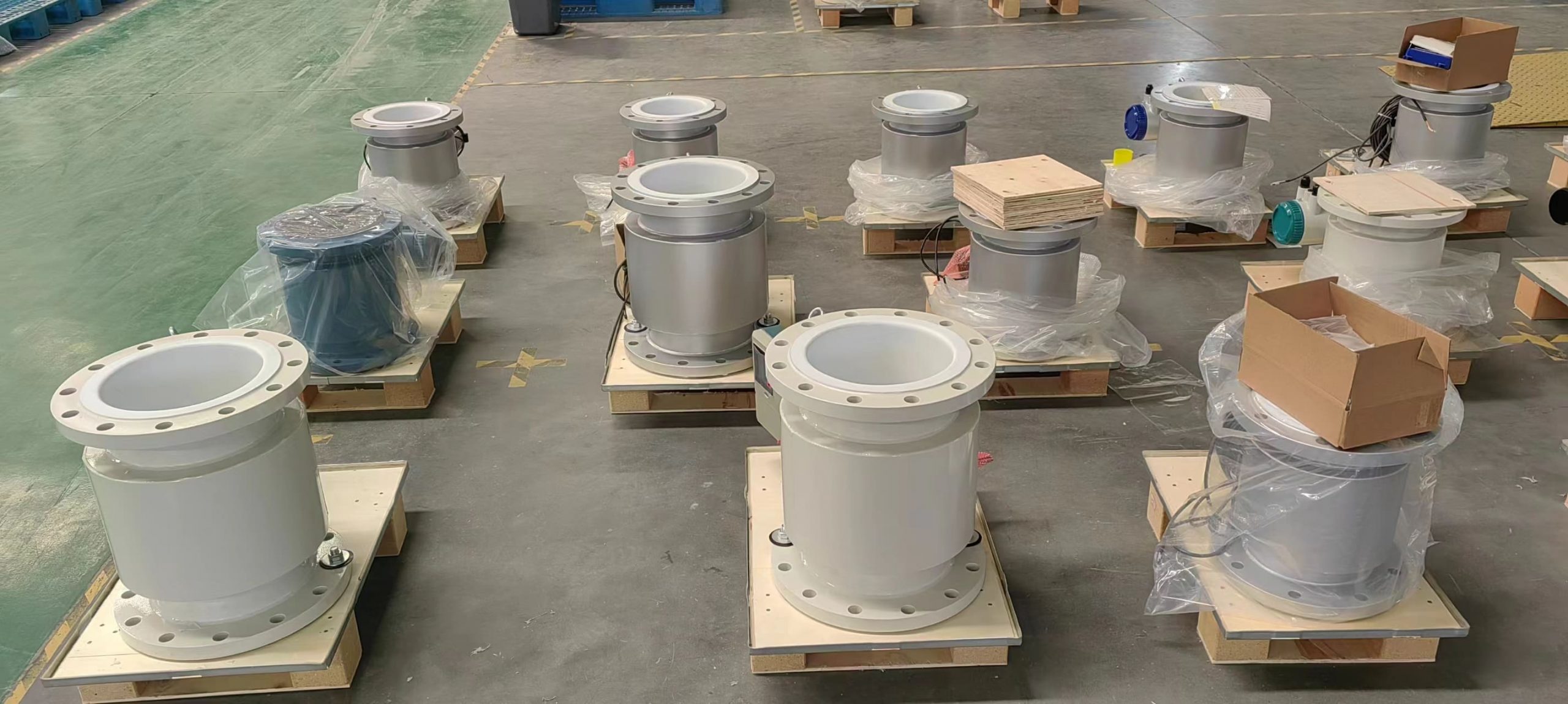
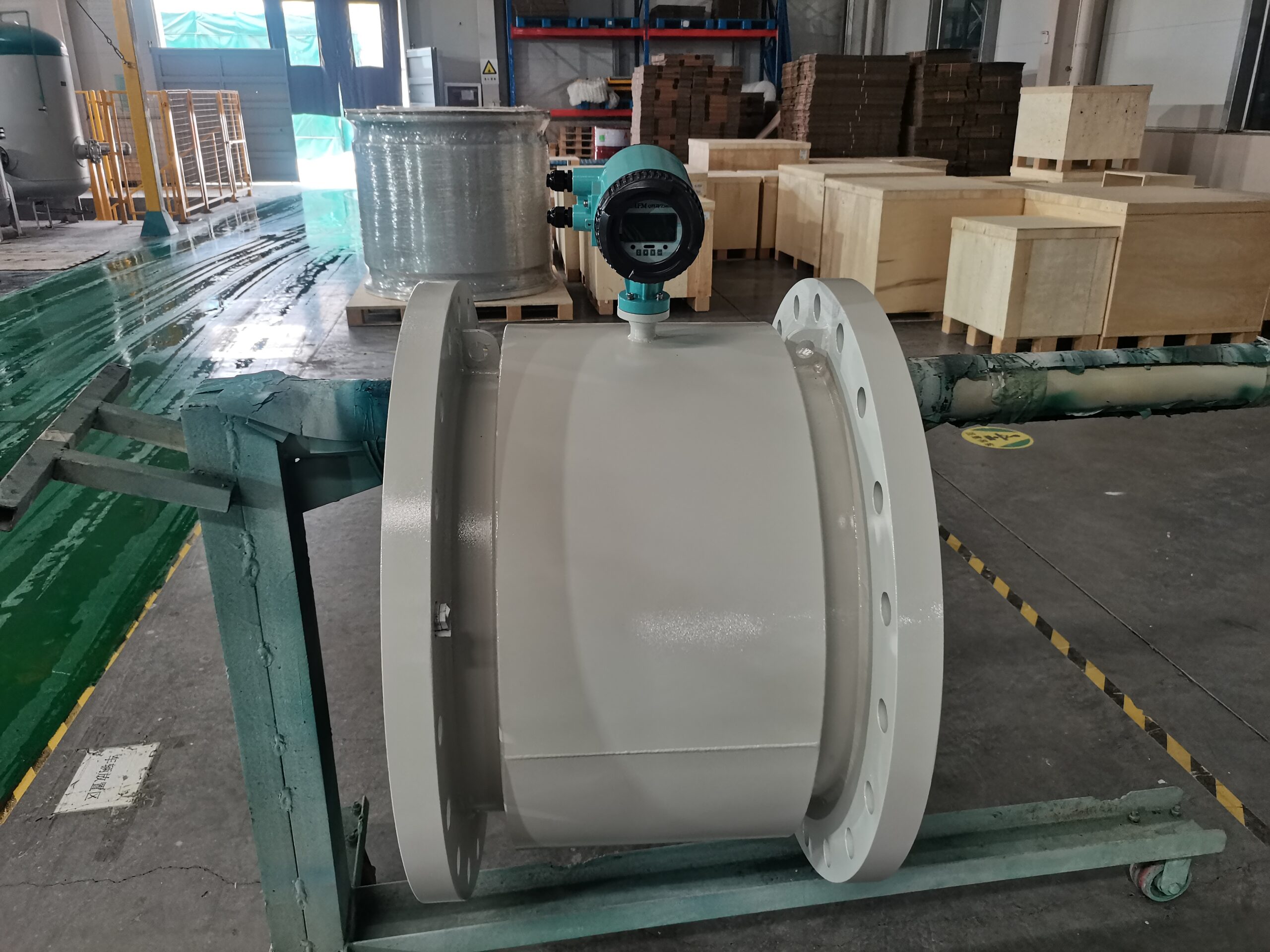
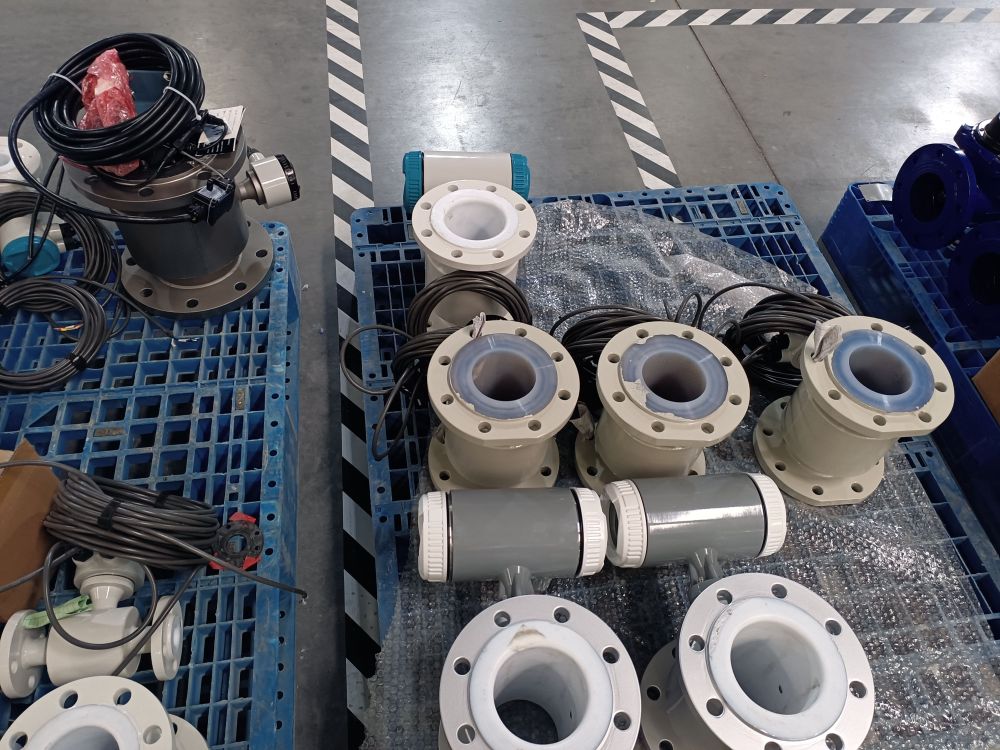
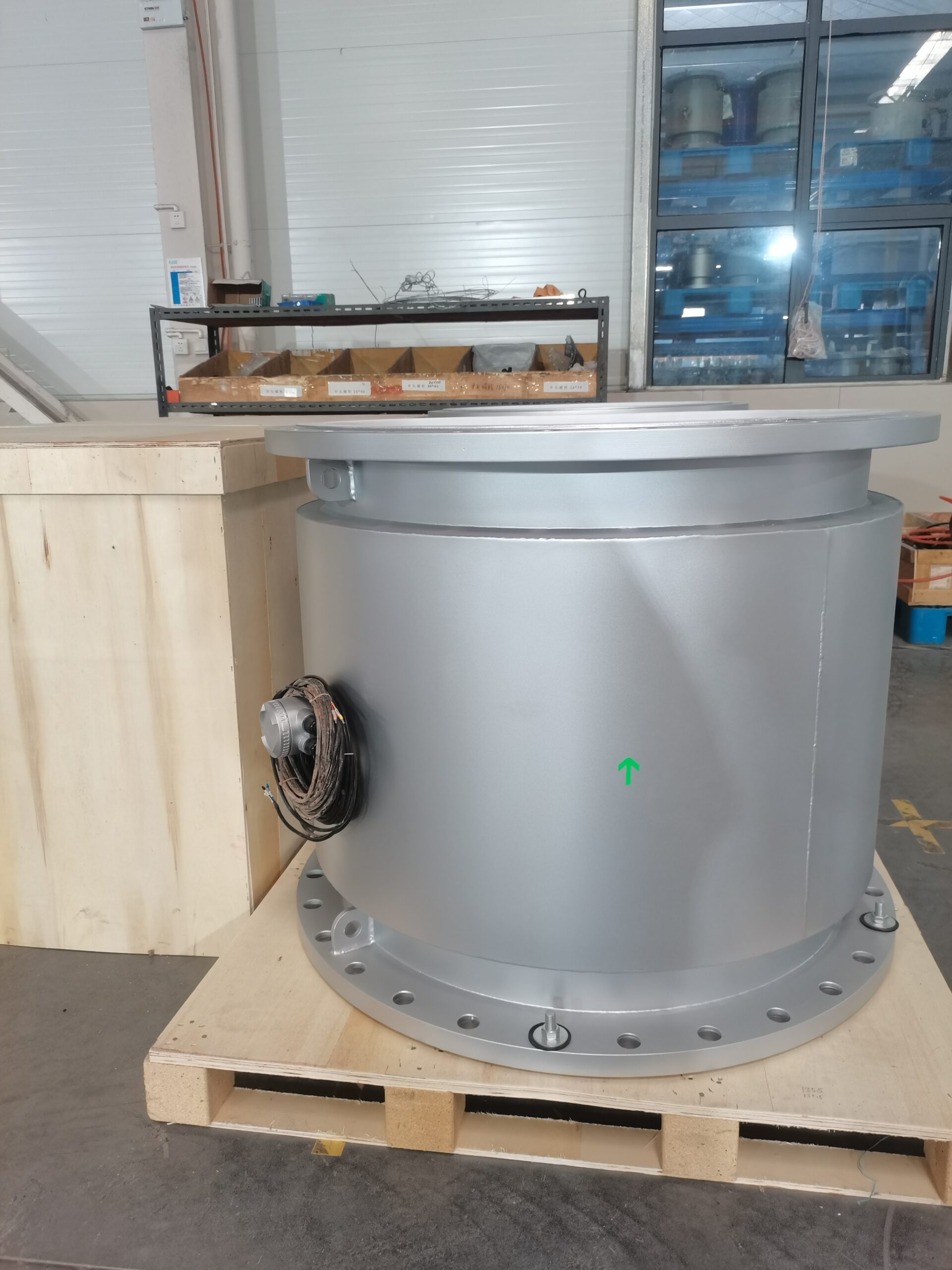
The silver nitrate solution electromagnetic flowmeter is composed of multiple key components. First is the electromagnetic coil, which is the key component for generating the magnetic field. The electromagnetic coil is powered by an external power source to generate a constant magnetic field, which is used to induce the electromotive force in the fluid. Secondly, there are conductive liquids. Silver nitrate solution, as a conductive liquid, has a very high electrical conductivity and stable fluid properties. Using silver nitrate solution as the conductive liquid can enhance the sensitivity and stability of the flowmeter. In addition, there are components such as electrodes and signal processors, which are used to measure the induced electromotive force and convert it into readable data.


-.jpg)