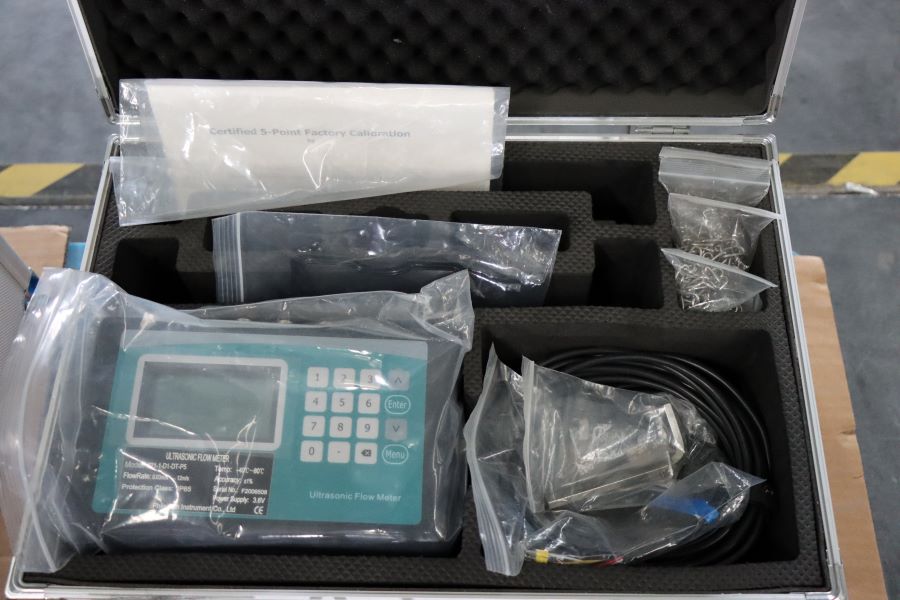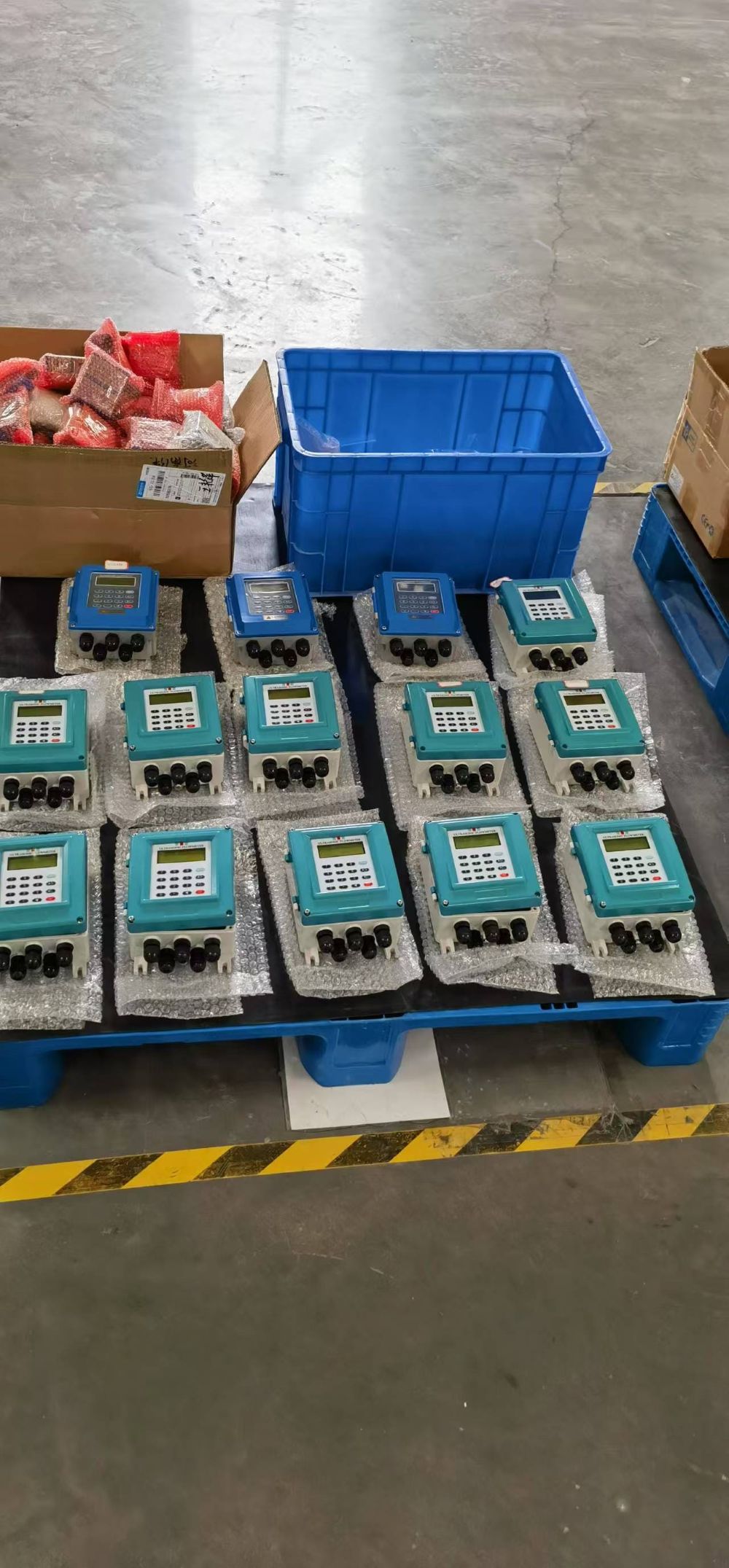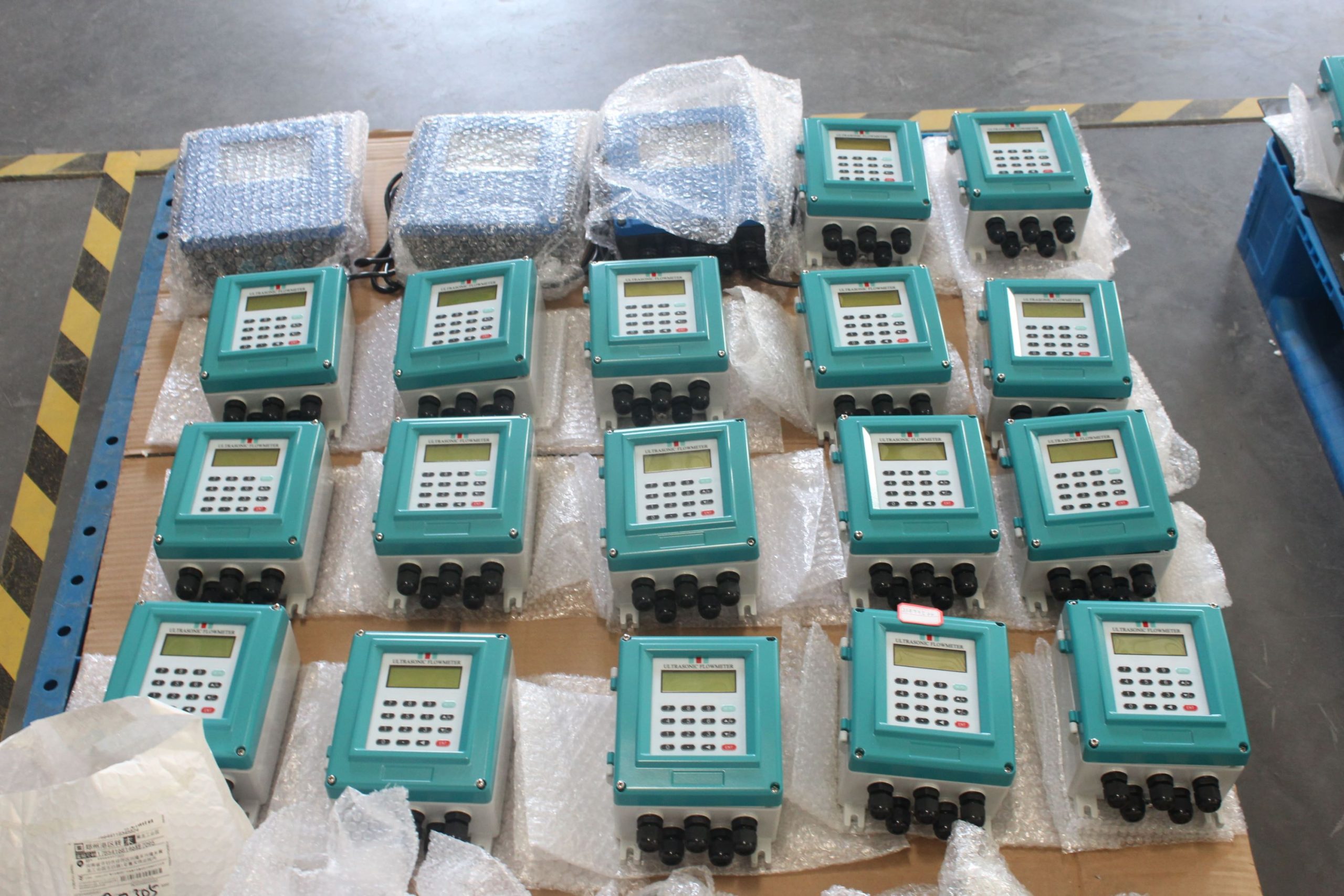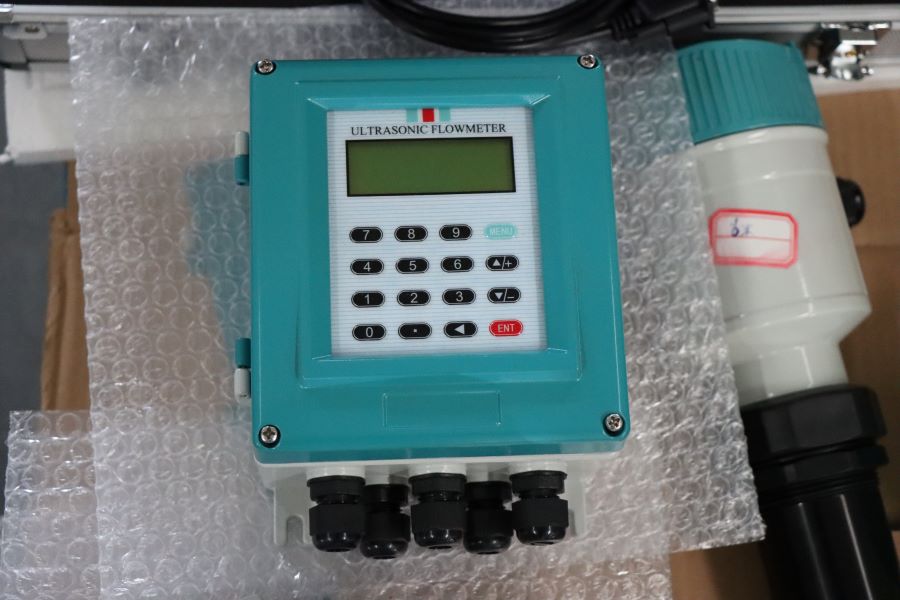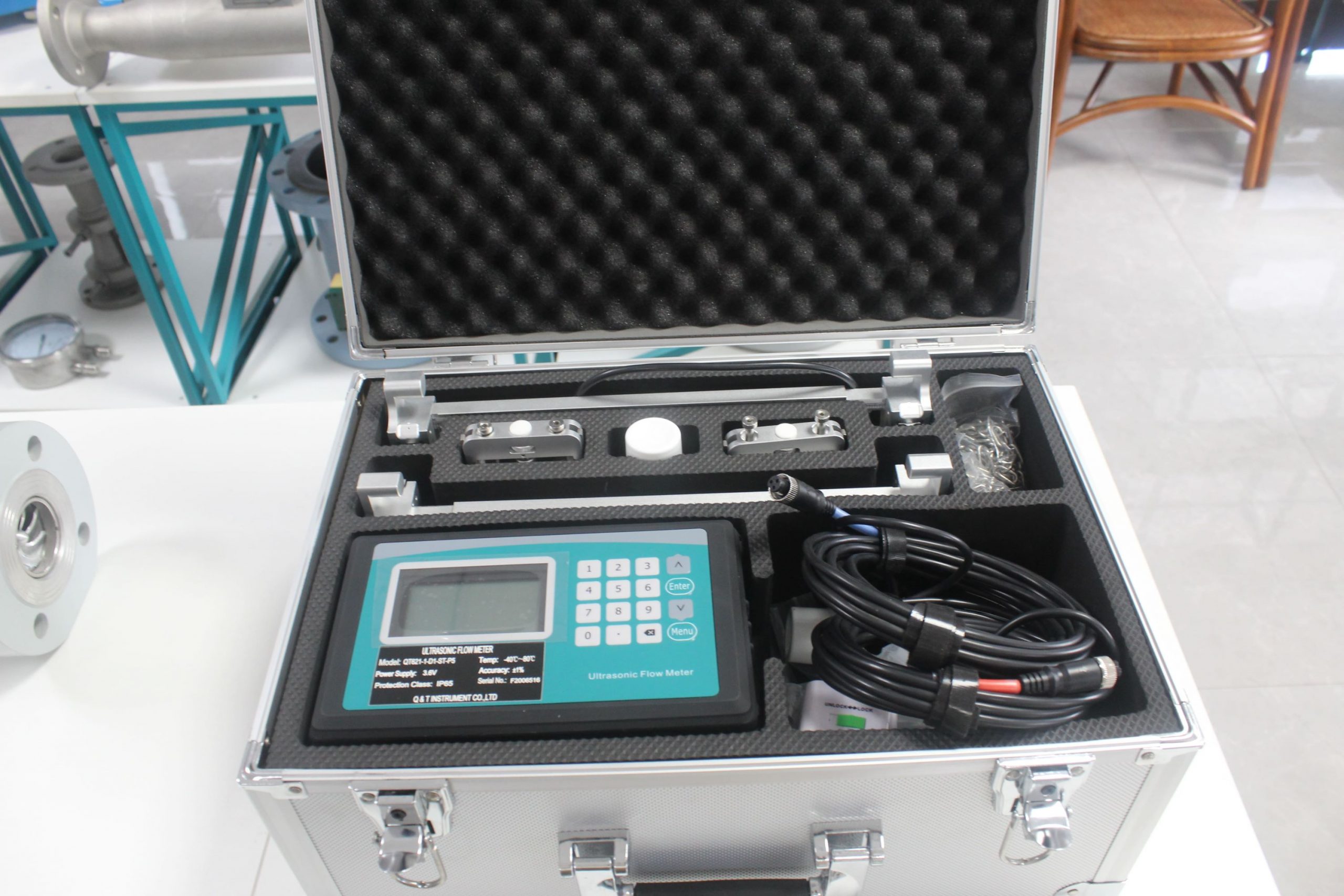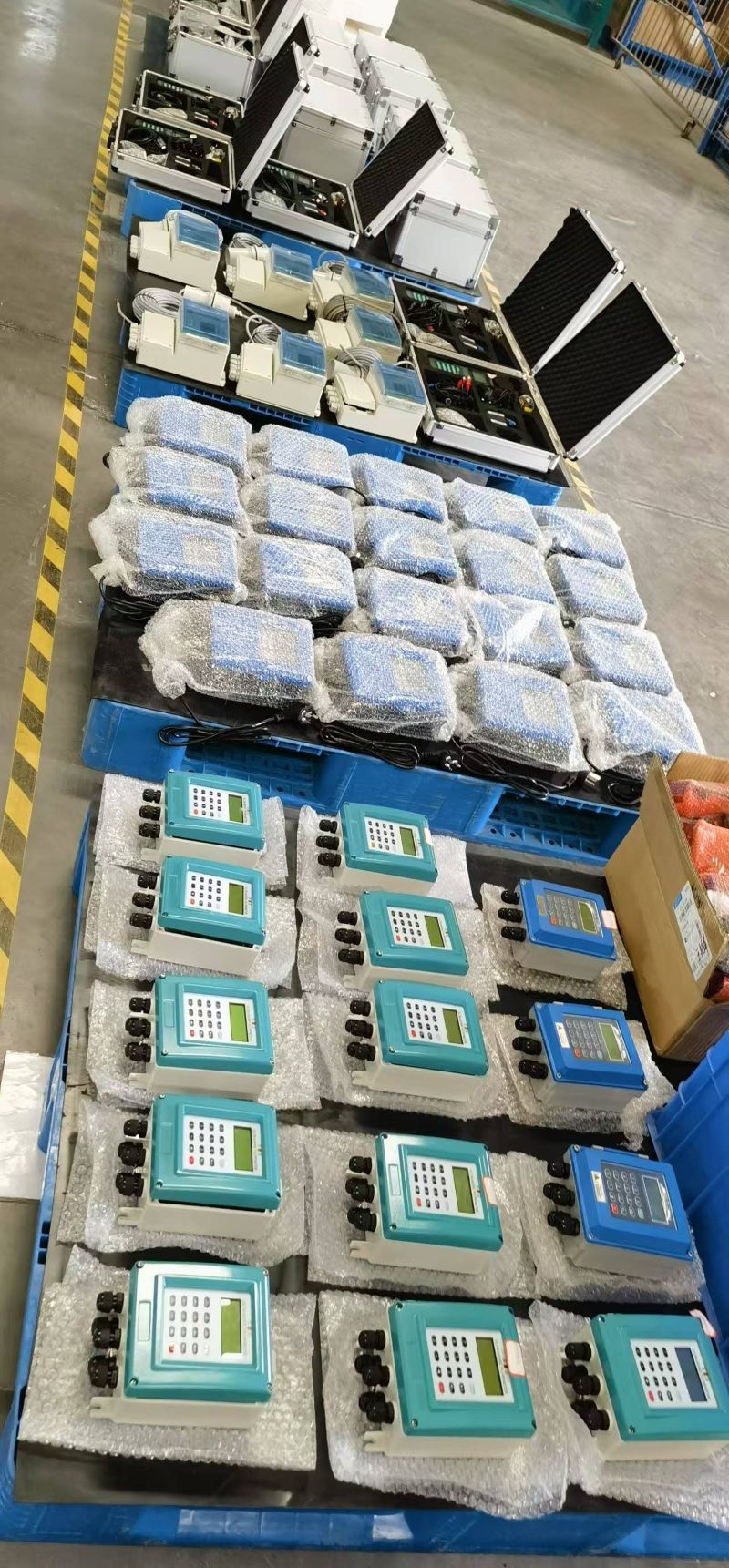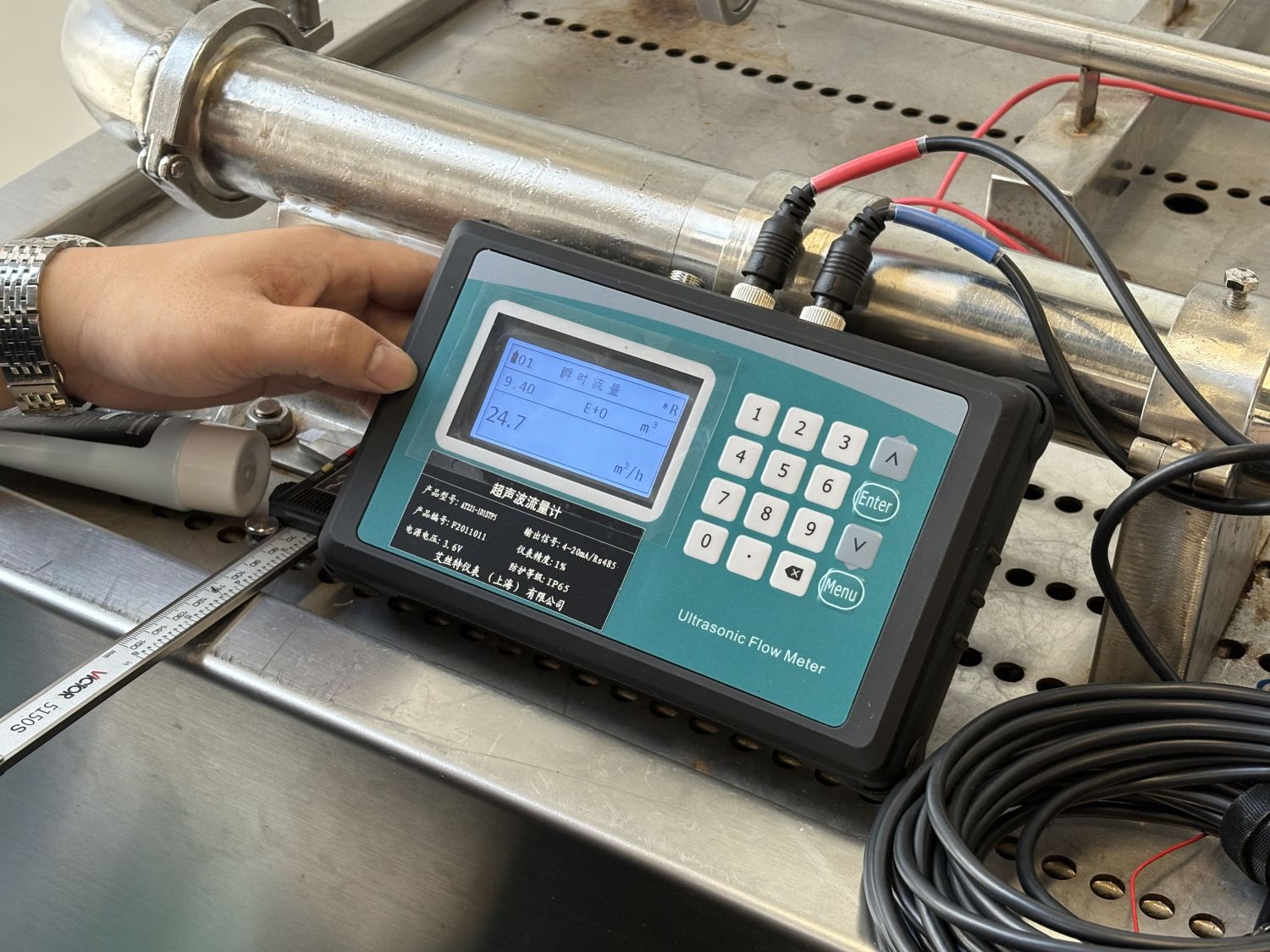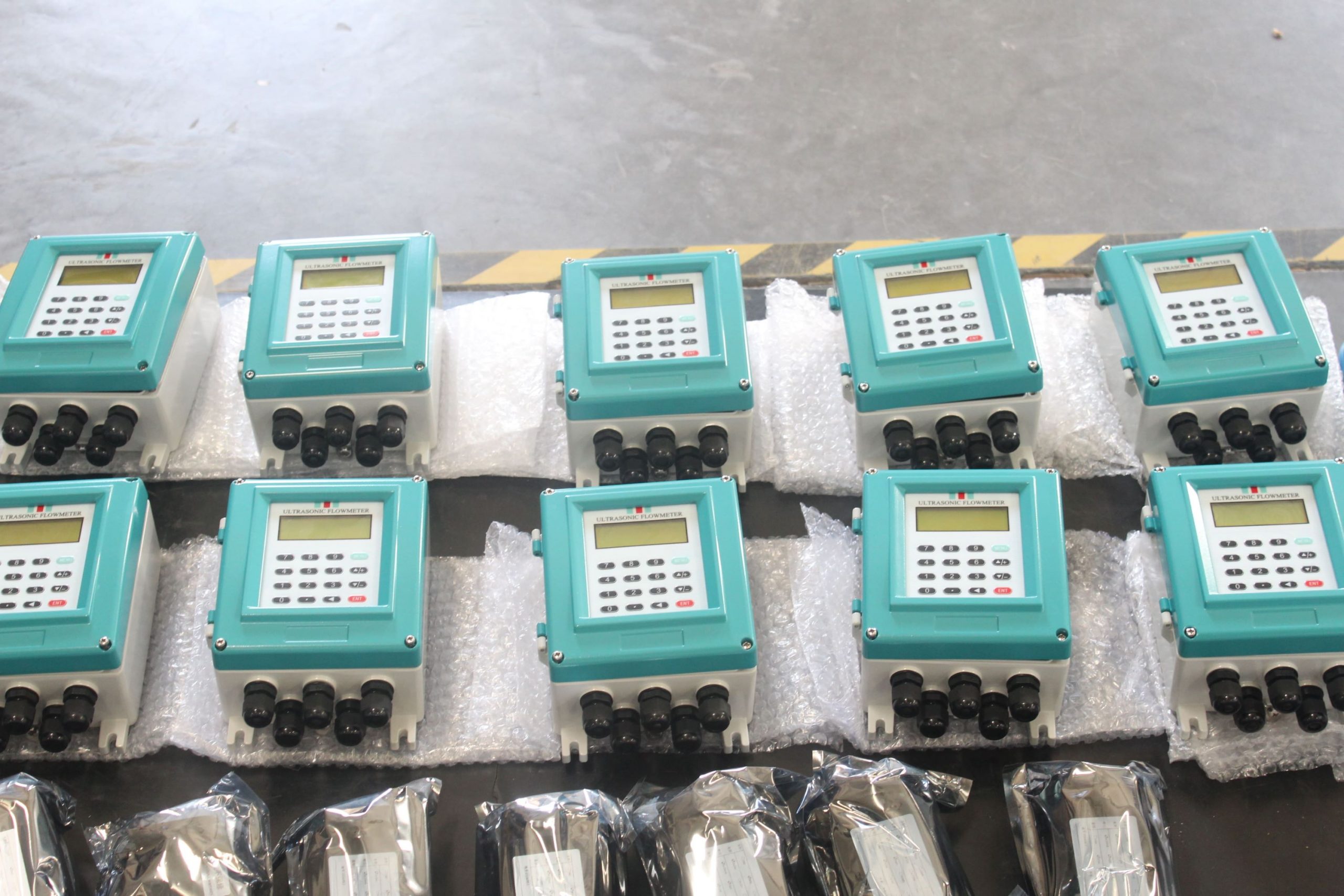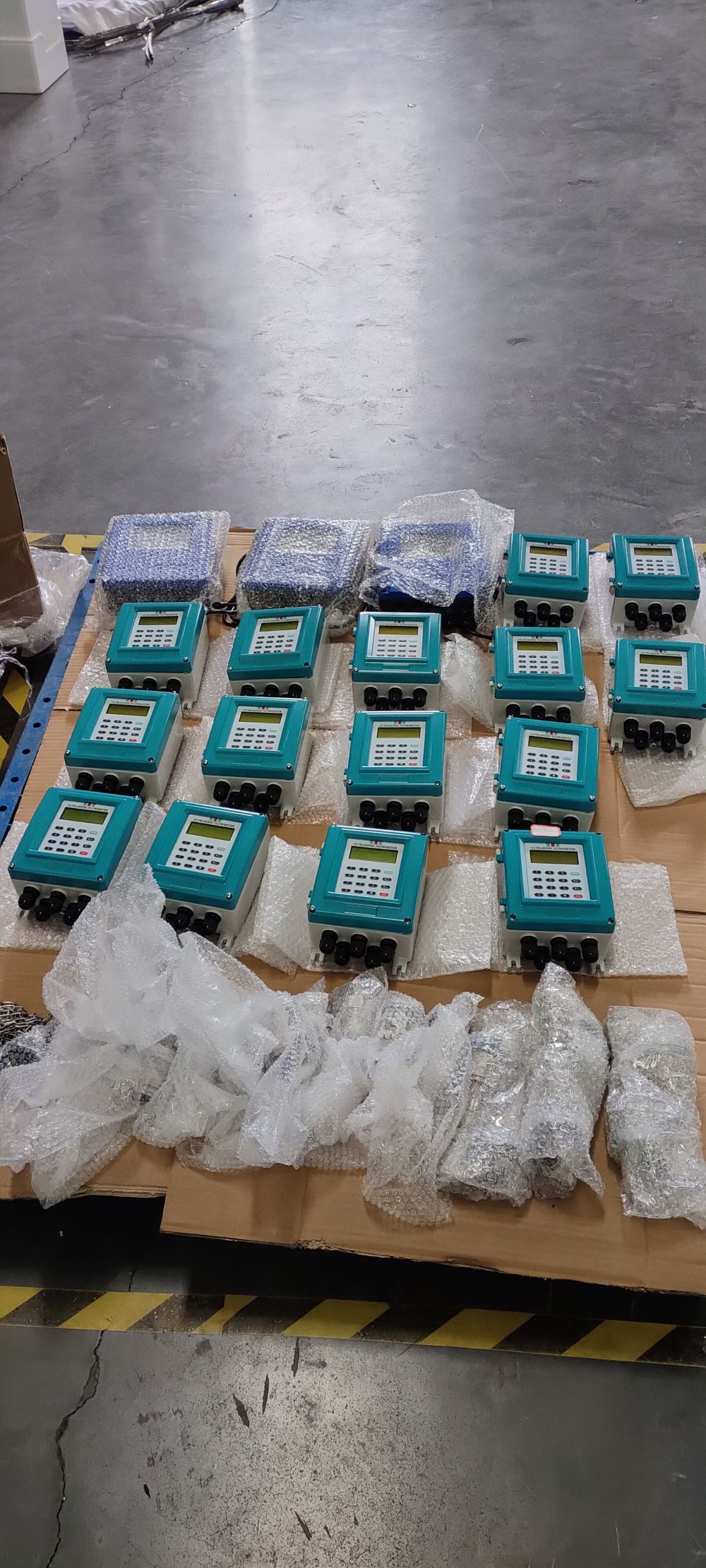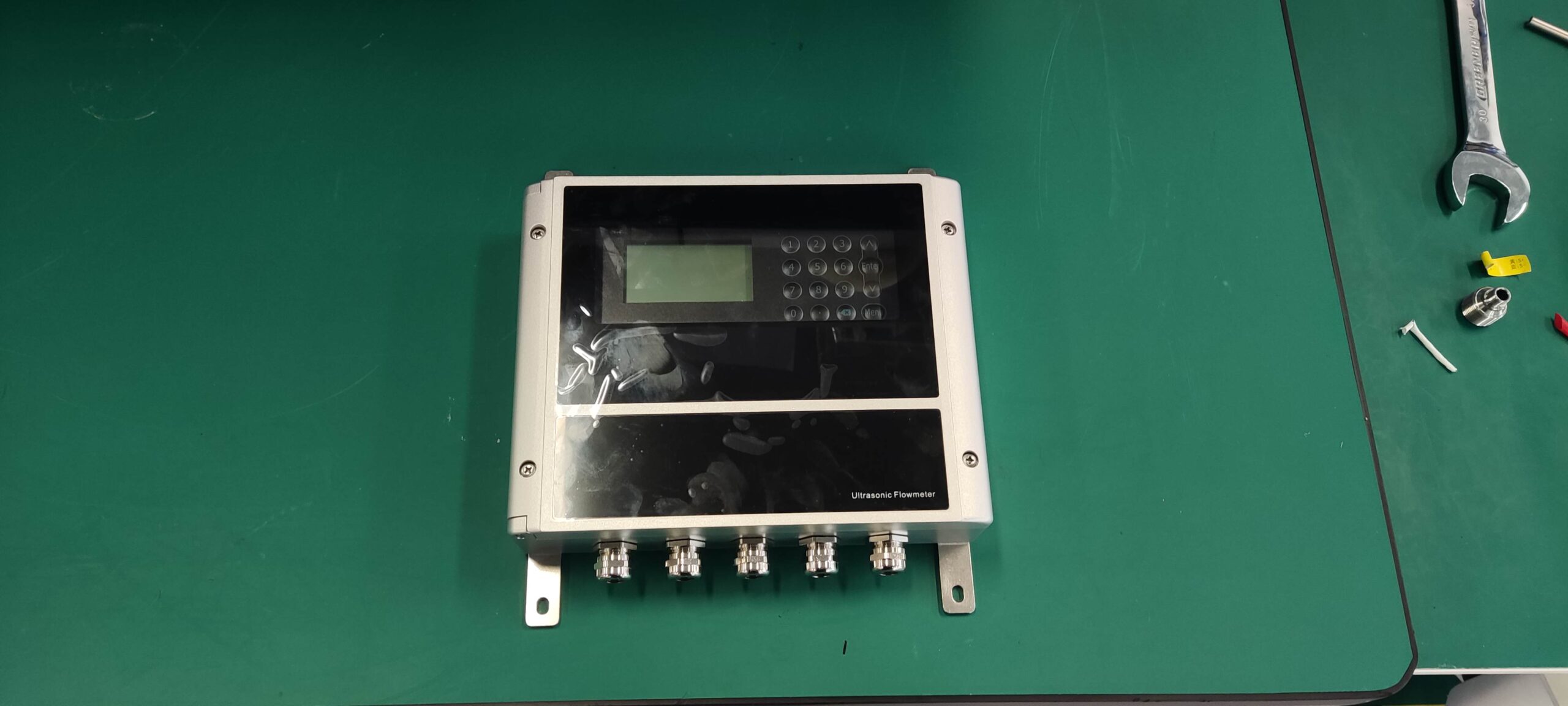
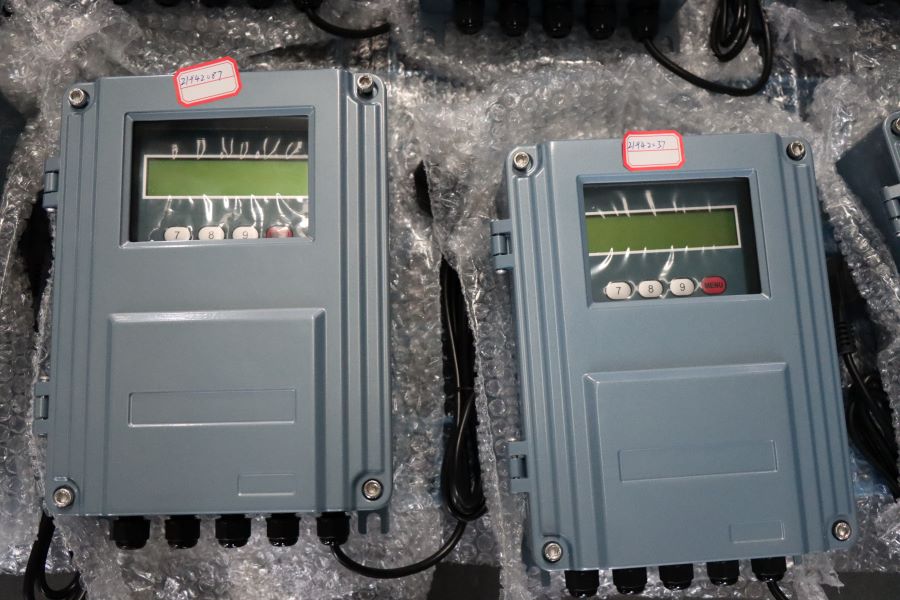
The measurement range of ultrasonic flowmeters
The measurement range of ultrasonic flowmeters is relatively wide, but the specific range may vary depending on their models, designs, and application scenarios. The following is a detailed analysis of the measurement range of ultrasonic flowmeters:
1. Flow velocity measurement range
General range: The flow velocity measurement range of ultrasonic flowmeters is usually between 0.02 and 5m/s. However, please note that this range is not absolute, as flowmeters of different models and designs may vary.
High-end models or special designs: Some high-end models or specially designed ultrasonic flowmeters may have a wider range of flow velocity measurement. For instance, the flow velocity measurement range of certain products can reach 0.01 to ±32m/s. Even through extended range technology, the upper limit of flow velocity measurement can be increased to 100m/s or even higher.
Influencing factors: The measurement range of flow velocity may also be affected by factors such as the diameter of the pipe, the characteristics of the medium (such as viscosity, temperature, etc.), and the installation method of the flowmeter.
2. Flow measurement range
General range: The flow measurement range of ultrasonic flowmeters is very wide, generally reaching 0.001 to 999,999,999 m³/h. The specific flow measurement range depends on the design, model of the flowmeter and the requirements of the application scenario.
3. Water level/liquid level measurement range
General range: For some ultrasonic flowmeters with water level or liquid level measurement functions, their measurement range is usually between 0 and 10 meters. However, the measurement range can also be expanded through special design or configuration.
4. Limiting factors of the measurement range
Fluid type: Different fluids have different acoustic impedances and propagation speeds, which can affect the propagation and reception of ultrasonic waves. Some fluids may not be suitable for measurement with ultrasonic flowmeters.
Pipe size and material: The size and material of the pipe also have an impact on the propagation of ultrasonic waves. Pipe sizes that are too large or too small may lead to inaccurate measurements, and certain materials may interfere with ultrasonic waves.
Fluid temperature: Both high and low fluid temperatures may affect the measurement accuracy of ultrasonic flowmeters. Generally speaking, ultrasonic flowmeters all have a certain operating temperature range.
Impurities and bubbles in the fluid: Impurities and bubbles in the fluid can interfere with the propagation of ultrasonic waves, thereby affecting the measurement accuracy.
In conclusion, the measurement range of ultrasonic flowmeters covers multiple aspects such as flow velocity, flow rate, water level/liquid level, and temperature, and they feature high measurement accuracy and resolution. However, when choosing and using ultrasonic flowmeters, it is necessary to determine the appropriate model and configuration based on specific application scenarios and requirements, and take into account the above-mentioned limiting factors to ensure the accuracy and reliability of the measurement results.